Tired of trying strategy after strategy with no real results when it comes to AI search visibility? You’re not alone. The rapid evolution of AI-driven search engines like ChatGPT and Perplexity has left even seasoned marketers wondering how to optimize for AI search and actually rank in AI-generated answers. The stakes are huge: mastering AI search optimization tactics can mean the difference between vanishing in the noise or owning the top spots in conversational search and multimodal results.
That’s why we’ve done the heavy lifting for you. Below, you’ll find eight proven AI search optimization tactics that work—each backed by industry data, real-world case studies, and alignment with the latest AI SEO strategies that drive visibility. Whether you’re looking to build deep topical authority, leverage GEO tactics, or optimize content for both LLMs and humans, this list covers the best practices you actually need. Explore our curated selection and discover how to stand out in the age of AI search.
What Are AI Search Optimization Tactics?
AI search optimization tactics are specialized strategies designed to boost your website’s visibility and influence in AI-powered search environments. Unlike traditional SEO, which primarily targets search engines like Google, these tactics are focused on how large language models (LLMs) and AI systems—such as ChatGPT, Perplexity, and Bing Copilot—discover, interpret, and cite online information. The core aim is to align your content, structure, and authority with the evolving algorithms and ranking mechanisms used by these AI platforms.
As AI search continues to shape how users find answers, businesses and creators must understand that visibility is no longer just about keywords or backlinks. Instead, it’s about providing clear, trustworthy, and easily extractable information that AI systems want to surface in their responses. This new landscape requires a shift from conventional SEO strategies to more advanced AI SEO strategies that work specifically for AI-driven search.
How AI Search Works and What It Prioritizes
AI search engines rely on LLMs that process massive volumes of web data to generate conversational answers, recommendations, and summaries. These systems assess not just the presence of keywords, but also the structure, context, and trustworthiness of your content. They are designed to extract concise answers, cite authoritative sources, and favor content that is clearly segmented and richly informative.
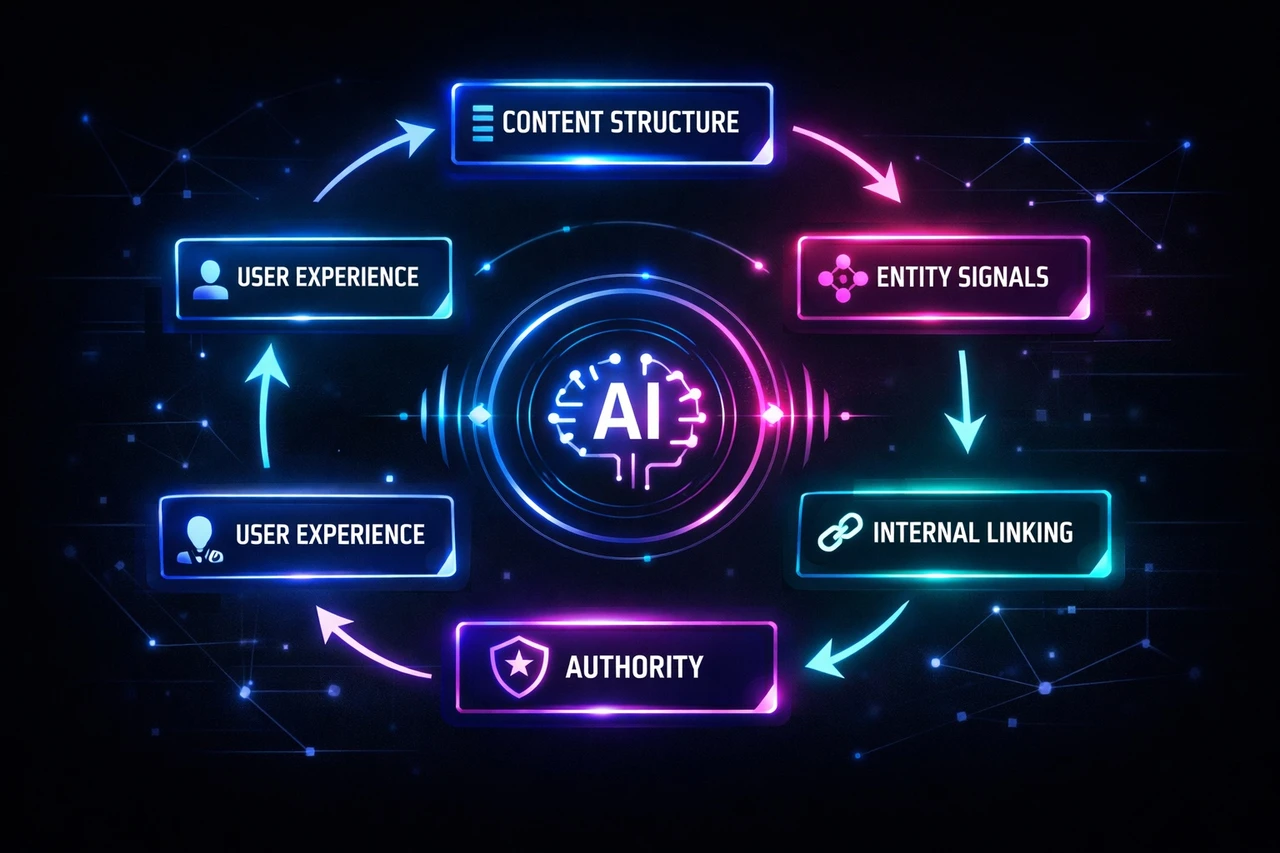
Optimizing for AI search means you must understand how to rank in AI answers: this involves structuring your content so it’s easily scannable, providing direct answers, and demonstrating topical expertise. AI platforms also consider “signals” such as authoritativeness, transparency, and technical accessibility—meaning you need to eliminate barriers like heavy JavaScript and prioritize text-based, semantically rich content. By mastering these AI search visibility strategies, you put your brand in a position to be referenced and cited by leading AI systems.
Essential Tools and Technologies for AI Search Optimization
Staying ahead in the AI search era requires leveraging advanced tools and technologies tailored to LLM optimization tactics. These include schema markup to help AI systems understand your content’s context, structured data for easier answer extraction, and analytics platforms that monitor how your pages are cited by AI assistants. Additionally, content optimization tools can assess readability, extractability, and the likelihood of being selected as a source by AI systems.
For businesses seeking to scale their efforts, partnering with agencies versed in outsourcing SEO services can provide access to the latest AI-focused strategies and technical expertise. These agencies often combine traditional SEO know-how with a deep understanding of how to optimize content for ChatGPT and Perplexity, ensuring your website is not just visible to humans, but also to the most influential AI models.
Why AI Search Optimization Matters More Than Ever
The shift toward AI-driven discovery is transforming digital marketing. As users increasingly rely on conversational AI for information, the ability to be cited, recommended, or summarized by these systems directly impacts your online authority, traffic, and conversions. GEO tactics are especially important for local businesses, ensuring accurate and prominent placement in AI-generated answers tailored to geographic queries.
By adopting proven AI search optimization tactics, you future-proof your digital presence and capitalize on emerging opportunities for organic growth. Mastering these fundamentals equips you to navigate the rapidly evolving landscape—and ensures your brand stands out in the age of AI-powered search.
How to Choose the Right AI Search Optimization Tactics for Your Needs
Choosing the right AI search optimization tactics can feel overwhelming, especially with the rapid pace of change in AI-driven search. It’s not about blindly following trends, but rather aligning your strategy with your specific goals, resources, and target audience. Before diving in, take a moment to assess what you’re really trying to achieve. Are you aiming for broad visibility across various AI platforms, or are you focused on dominating a specific niche?
Consider your current content infrastructure. Do you have a solid foundation of high-quality, authoritative content, or are you starting from scratch? If you’re starting out, building deep topical authority and creating AI-friendly content structures should be your priority. If you already have a strong content base, focus on tactics like optimizing for conversational queries and showcasing real expertise to boost your chances of ranking in AI answers. Think about the technical aspects too. Is your website easily crawlable by AI systems, or are there JavaScript barriers that need to be addressed?
Finally, remember that AI SEO strategies that work are not a “set it and forget it” deal. The AI landscape is constantly evolving, so it’s essential to continuously monitor your performance, adapt your approach, and stay informed about the latest best practices in LLM optimization tactics and GEO tactics.

Create Content AI Systems Love to Reference
One of the most effective AI search optimization tactics is crafting content that AI systems actively want to cite. Large language models and AI-powered search engines, like ChatGPT and Perplexity, are trained to surface information that is clear, factual, and well-structured. This means your content should feature precise definitions, step-by-step guides, relevant data, real-world examples, and direct comparisons. For instance, citing a specific statistic—such as “Email marketing generates $42 for every $1 spent, according to Litmus research”—makes your content more authoritative and more likely to be referenced by AI systems.
To implement this, start by identifying key questions your audience is asking, then answer them with concise, evidence-backed information. Use bullet points or numbered lists for instructions, include up-to-date statistics with sources, and add unique examples or case studies. This approach not only helps you rank in AI answers but also boosts your credibility and visibility across GEO tactics and LLM optimization tactics.
This strategy is ideal for marketers, SEOs, and content creators aiming to optimize content for ChatGPT and Perplexity or anyone looking to increase their AI search visibility. When your content becomes a go-to reference for AI, you can expect higher traffic and more authority in your niche. If you want to understand how generative engines choose which brands to cite, exploring this process can further refine your content strategy.
Pro Tip:
- Always link to reputable sources when citing data.
- Use schema markup to help AI systems easily parse your structured information.
- Regularly update your content to keep statistics and examples current.

Format Content for Easy AI Answer Extraction
One of the most effective AI search optimization tactics is structuring your content so that AI systems can easily extract concise, accurate answers. Unlike traditional SEO, which targets ranking entire pages, this approach focuses on making your content “AI-friendly” by enabling language models like ChatGPT and Perplexity to pull clear, standalone answer blocks. This is especially important for those aiming to rank in AI answers and boost visibility in generative search results.
To implement this tactic, start by using question-based headings (e.g., “What is LLM optimization?”). Immediately beneath each heading, provide a direct, succinct answer—ideally in one or two sentences. Follow this with a more detailed explanation, examples, or relevant data. This step-by-step structure not only helps users but also aligns perfectly with how AI parses and presents information. Businesses, content creators, and marketers looking to optimize content for ChatGPT and Perplexity, or anyone focused on AI SEO strategies that work, will benefit most from this approach.
The outcome? Higher chances of your content being cited as an authoritative answer in AI-driven search results, increasing both visibility and click-through rates. For a deeper dive, check out this guide on AI search optimization techniques.
Pro Tip:
- Use bullet points or numbered lists for step-by-step instructions—AI models love structured data.
- Regularly audit your top content to ensure answers are up-to-date and clearly formatted for easy extraction.

Establish Deep Topical Authority with Content Clusters
One of the most effective AI search optimization tactics today is building deep topical authority. Instead of scattering unrelated blog posts across your site, this approach focuses on becoming a recognized expert on a specific subject. The key is to create topic clusters: start with a comprehensive pillar page that covers the main topic, then add multiple supporting articles that dive into related subtopics. By interlinking these pages, you signal to AI-driven search engines and LLMs like ChatGPT and Perplexity that your site offers thorough, trustworthy information—boosting your chances of being cited in AI answers and increasing your AI search visibility.
To implement this, first identify a core topic relevant to your audience and business goals. Next, map out all related questions, subtopics, and long-tail queries people search for. Create a detailed pillar page addressing the main subject, then write supporting content for each subtopic, ensuring each piece links back to the pillar and to other relevant articles. This structure not only helps users navigate your content but also aligns with how AI systems evaluate expertise and coverage.
This strategy is ideal for businesses, publishers, and content creators aiming to dominate a niche or industry. The expected outcome? Higher rankings in traditional and AI-powered search, more featured snippets, and increased trust from both users and algorithms.
Pro Tip:
- Regularly update your pillar and supporting pages to maintain authority and relevance.
- Use schema markup to help AI systems better understand your content relationships.
- Focus on user intent—answer real questions comprehensively to improve your chances of being featured in AI-generated answers.

Remove JavaScript Roadblocks for AI Crawlers
One of the most overlooked AI search optimization tactics is making sure your website’s core content is accessible in the initial HTML, not hidden behind JavaScript. AI search engines and LLMs like ChatGPT and Perplexity typically read and interpret HTML directly, skipping over content that relies heavily on JavaScript. If your key information only appears after scripts run, you’re likely invisible to these new AI-powered search tools—no matter how beautiful your site looks to human visitors.
To implement this, start by serving all critical content (headlines, product details, FAQs, etc.) directly in the HTML response. Use JavaScript for enhancements only, not for rendering essential information. Test your pages by disabling JavaScript in your browser or using tools like Google Search Console’s URL Inspection to see what’s actually visible to crawlers. This approach ensures your site is optimized for AI search visibility strategies, increasing your chances to rank in AI answers and improving LLM optimization tactics.
Addressing these technical issues can also help you avoid common website conversion killers that may prevent users from engaging with your content or completing desired actions.
This strategy is crucial for developers, SEO specialists, and site owners who want to optimize content for ChatGPT and Perplexity or are focused on GEO tactics. Envisionit’s tactical guide highlights that sites adopting progressive enhancement see better indexing and more consistent AI-driven traffic.
Pro Tip:
- Prioritize server-side rendering for important pages.
- Regularly audit your site with JavaScript disabled to catch hidden content issues.
- Use structured data in your HTML to further help AI platforms understand your content.

Showcase Real Expertise to Build Trust
Demonstrating genuine authority is a cornerstone of effective AI search optimization tactics. As AI-driven engines like ChatGPT and Perplexity increasingly prioritize trustworthy sources, showcasing your expertise isn’t just a nice-to-have—it’s essential for standing out in AI-generated answers and boosting your search visibility. This means going beyond generic content and actively signaling your credibility through expert author bios, real-world case studies, visible industry certifications, and citations from reputable publications.
To implement this, start by updating your content with detailed author bios that highlight relevant credentials or professional experience. Incorporate case studies featuring real data and tangible results, and don’t shy away from displaying any industry certifications or awards your business has earned. Always cite authoritative sources to back up your claims. This approach is especially valuable for businesses in YMYL (Your Money or Your Life) niches—like health, finance, or legal—where trust and expertise are critical. By integrating these trust signals, you’ll not only improve your chances to rank in AI answers but also foster confidence among human readers.
A recent case study by Matt Diggity found that pages with clear expertise markers consistently outperformed generic content in AI-powered search results.
Pro Tip:
- Use schema markup (e.g., “Person” for author bios, “Organization” for certifications) to help LLMs and AI engines recognize your authority signals.
- Regularly update your credentials and case studies to keep your trust signals fresh and relevant—this is a key LLM optimization tactic for ongoing AI search visibility strategies.

Focus on Conversational Queries for AI Visibility
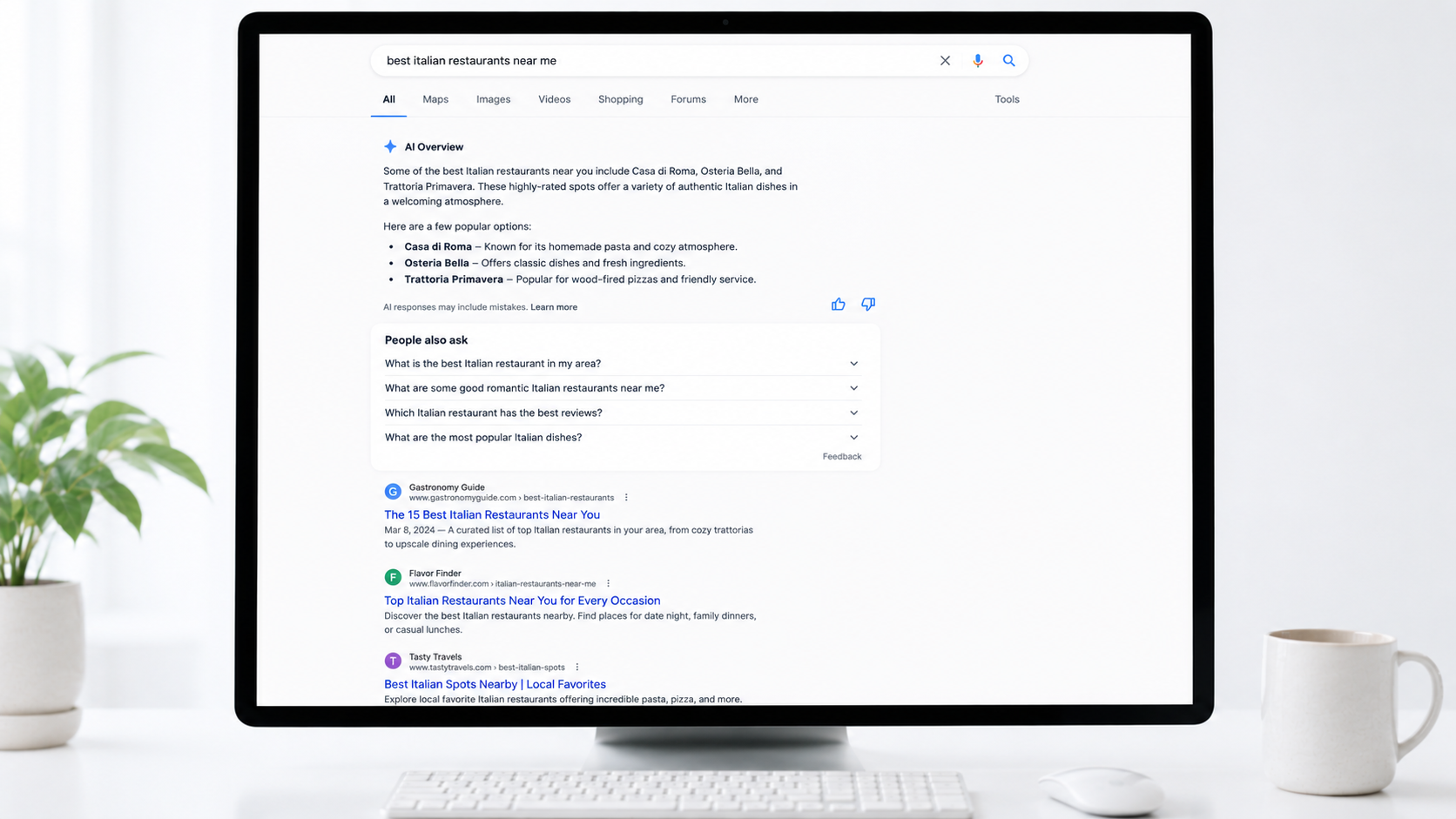
One of the most effective AI search optimization tactics is targeting conversational queries—those natural, question-based searches that frequently appear in Google’s “People Also Ask” section. Unlike traditional keywords, these queries are more likely to trigger AI Overviews and featured answers in search results, making your content more discoverable by AI-driven platforms like ChatGPT and Perplexity. This approach is crucial for anyone looking to understand how to optimize for AI search and rank in AI answers, especially as search engines increasingly rely on large language models (LLMs) to surface relevant content.
To implement this strategy, start by researching conversational queries related to your topic. Use the “People Also Ask” box on Google to identify common questions users have. Incorporate these exact questions as H2 headings in your content, and provide concise, direct answers immediately below each. This LLM optimization tactic signals to AI models that your content is structured to address user intent, increasing your chances of being surfaced in AI-driven search results. Marketers, content creators, and businesses aiming to boost their AI search visibility should prioritize this method. For a practical comparison of conversational lead capture tools, see Drift vs Intercom vs Qualified for B2B Conversational Lead Capture.
A recent case study by Matt Diggity found that targeting conversational queries led to a significant increase in AI Overview appearances, outperforming traditional keyword-focused approaches.
Pro Tip:
- Use tools like AlsoAsked or Answer the Public to expand your list of conversational queries.
- Keep answers under 50 words for optimal AI snippet extraction.
- Regularly update your content as new questions emerge in your niche.

Embrace Multimodal Content for AI Search Success
AI search engines like Google and ChatGPT are increasingly capable of understanding and responding to multimodal queries—searches that combine text, images, and even video. This shift means that relying solely on written content is no longer enough if you want to maximize your AI search optimization tactics. By supplementing your website with high-quality images, relevant videos, and up-to-date business information, you make your content more discoverable and useful for users who interact with search in new ways.
To implement this strategy, start by auditing your key pages for opportunities to add original photos, infographics, or explainer videos that align with your target keywords and user intent. Ensure all media is properly optimized with descriptive file names, alt text, and structured data. For e-commerce or local businesses, keep your Merchant Center and Business Profile information current with fresh images and accurate details—these steps are crucial for GEO tactics and boosting visibility in AI-powered search results. Learn more about succeeding in AI search.
This approach is especially effective for retailers, service providers, and any brand looking to optimize content for ChatGPT and Perplexity or appear in AI-generated answer boxes. The expected outcome? Higher engagement, improved rankings in AI answers, and a stronger presence across diverse search experiences.
Pro Tip:
- Use unique, high-resolution images rather than stock photos to stand out in AI-driven results.
- Regularly update your visual content and business listings to maintain relevance and trust with both users and search engines.
Conclusion
The rise of AI search presents both a challenge and a significant opportunity for businesses seeking to enhance their online visibility. By understanding how AI systems prioritize and extract information, you can adapt your strategies to not only rank higher but also become a trusted source in AI-driven results. The key takeaways involve creating authoritative, well-structured content, optimizing for conversational queries, and ensuring your website is technically accessible to AI crawlers.
Looking ahead, AI search will likely become even more sophisticated, emphasizing the importance of real expertise and multimodal content. Those who proactively implement AI SEO strategies that work and stay ahead of these trends will be best positioned to capture the attention of both AI algorithms and their human users.
Ready to take your AI search optimization to the next level? Explore SEO services for expert guidance and tailored strategies to maximize your AI search visibility.
Scopic Studios delivers exceptional and engaging content rooted in our expertise across marketing and creative services. Our team of talented writers and digital experts excel in transforming intricate concepts into captivating narratives tailored for diverse industries. We’re passionate about crafting content that not only resonates but also drives value across all digital platforms.