
Introduction: The Power of a Consistent Marketing System for Lead Generation
Why Lead Generation Systems Matter More Than Ever
In today’s crowded marketplace, generating consistent leads isn’t just a nice-to-have—it’s essential for sustainable business growth. Lead generation is the process of attracting and engaging your target audience to the point where they’re willing to share their contact information with you. But here’s the challenge: 61% of marketers identify generating traffic and leads as their biggest challenge, according to HubSpot research.
The stakes are high because capturing a potential customer’s information early in the sales cycle—which can stretch 1-3 months for B2B companies—allows you to actively influence their purchasing journey. This early engagement is crucial: companies that focus on lead generation and relationship-building experience a 47% higher purchase rate from their leads compared to those taking a passive approach.
The System vs. The Chaos
Here’s what separates thriving companies from struggling ones: the presence of a scalable marketing system. Without one, you’re left with ad-hoc lead generation efforts that create bottlenecks. Manual follow-ups limit your capacity, and growth becomes impossible without proportionally increasing costs and effort.
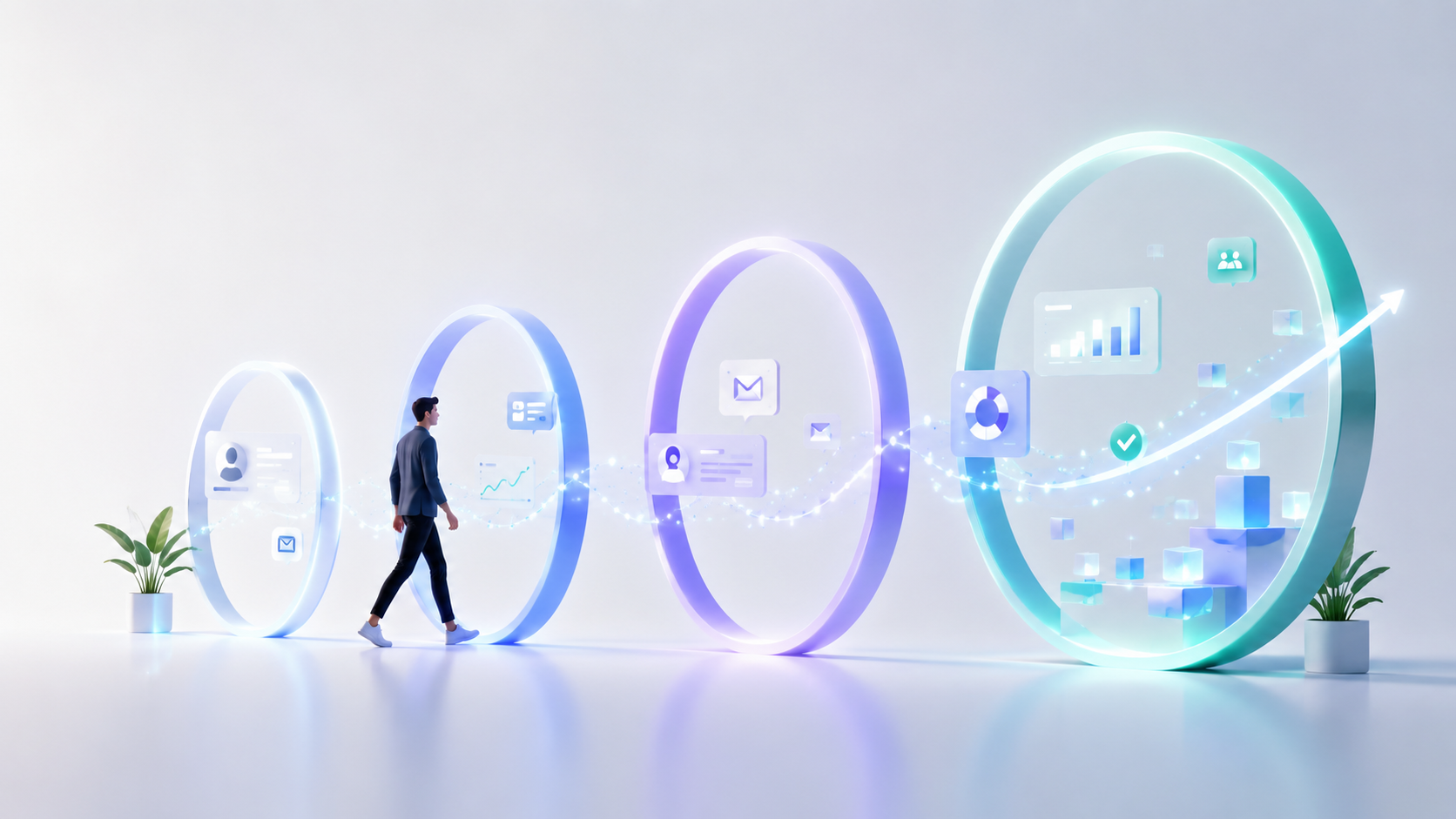
A true marketing system for lead generation operates on one fundamental principle: “build once, automate repeatedly.” This means creating content, driving traffic, converting visitors, and qualifying leads at scale—all with minimal manual intervention once the system is configured. The result? You can serve many more leads with the same team and resources.
The data backs this up: approximately 68% of companies fail to clearly define their lead generation funnel, which leads to missed opportunities. Meanwhile, companies with systematic processes in place benefit from consistent lead nurturing, which can improve conversion rates by up to 50%.
Building Your Foundation
A scalable lead generation system helps you focus your efforts where they matter most. By qualifying leads, you can concentrate your time and energy on prospects most likely to generate revenue, maximizing your ROI. This systematic approach to lead generation marketing transforms your business from one struggling with inconsistent results to one delivering sustainable growth.
The bottom line: in a competitive landscape, a well-designed marketing system for lead generation isn’t optional—it’s your competitive advantage.
Understanding the Core Components of Your Marketing System
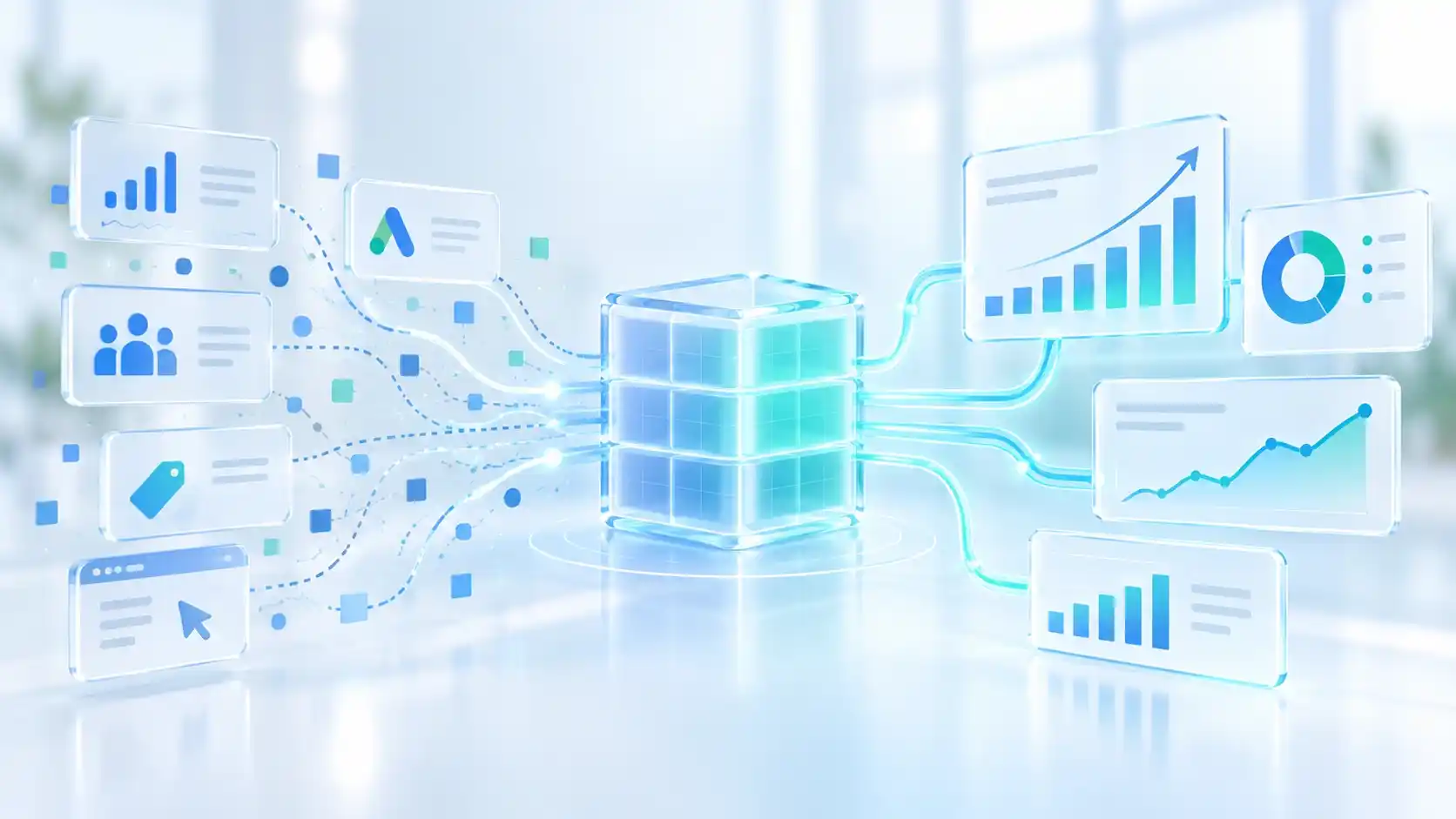
A successful marketing system for lead generation isn’t just about having a website or running ads—it’s about creating an integrated digital ecosystem. A lead generation system connects your website, marketing channels, and customer management tools into one cohesive operation designed to attract, capture, and convert high-quality leads consistently.
Think of your marketing system as the backbone of your lead generation efforts. Rather than relying on sporadic marketing results, an effective system provides a predictable flow of inquiries by combining SEO, paid advertising like Google Ads, conversion-focused websites, optimized landing pages, CRM systems for lead management, and analytics tools to measure what’s actually working. This integrated approach ensures every component works together toward one goal: generating qualified leads.
The Marketing Funnel: Your System’s Strategic Foundation
At the heart of any marketing system lies the marketing funnel—a visual representation of how prospects move through distinct stages of the customer journey. The funnel works by attracting many prospects at the top through content marketing, social media, and advertising, then filtering them through qualification stages until they become paying customers.
The classic funnel follows the AIDA model: Awareness, Interest, Desire, and Action. At each stage, your messaging and tactics must shift because prospects have different levels of readiness to buy. Top-of-funnel content focuses on awareness and education, helping prospects discover your brand. As they move deeper, middle-funnel materials address their growing interest, while bottom-funnel content tackles specific objections and purchasing decisions.
Tailoring Your System to Your Business Model
The structure of your marketing system depends largely on your business type. B2B companies typically require longer, more complex funnel models because of extended decision-making cycles and multiple stakeholders involved. You’ll need stages for solution evaluation and vendor comparison. B2C funnels, by contrast, tend to be shorter and more impulse-driven, focusing on emotional triggers and immediate conversion opportunities.
Without intentional focus on each stage, your funnel becomes “leaky”—prospects drop out at critical moments, and you lose potential customers. This is where CRM systems and lead scoring become invaluable, helping you monitor prospect behavior and identify which leads are most likely to convert. By understanding these core components and how they work together, you build a marketing system that generates leads predictably rather than hoping for sporadic wins.
Component 1: Driving Traffic to Your System
The foundation of any effective marketing system for lead generation is getting qualified prospects to your digital doorstep. Without consistent traffic flowing through your funnel, even the most optimized conversion mechanisms fall flat. This component focuses on the strategic channels and tactics that pull prospects toward your business.
Choosing Between Inbound and Outbound Approaches
Your first decision is whether to pull prospects toward you or push your message outward. Inbound lead generation strategies—like blog posts, social media, SEO, and email marketing—build trust and cost less over time, though they require patience and resources. Conversely, outbound tactics such as cold emails, direct mail, and paid ads deliver immediate results and scalability, but demand higher budgets and face lower conversion rates. The reality? Most successful marketing systems blend both approaches, using inbound to establish authority while leveraging outbound for quick wins.
Before implementing any traffic-driving tactic, define your target market and buyer personas with precision. Strategic targeting drives qualified growth, with 71% of consumers expecting tailored experiences. Generalized outreach wastes resources and misses ready-to-buy customers.
High-Impact Traffic Channels
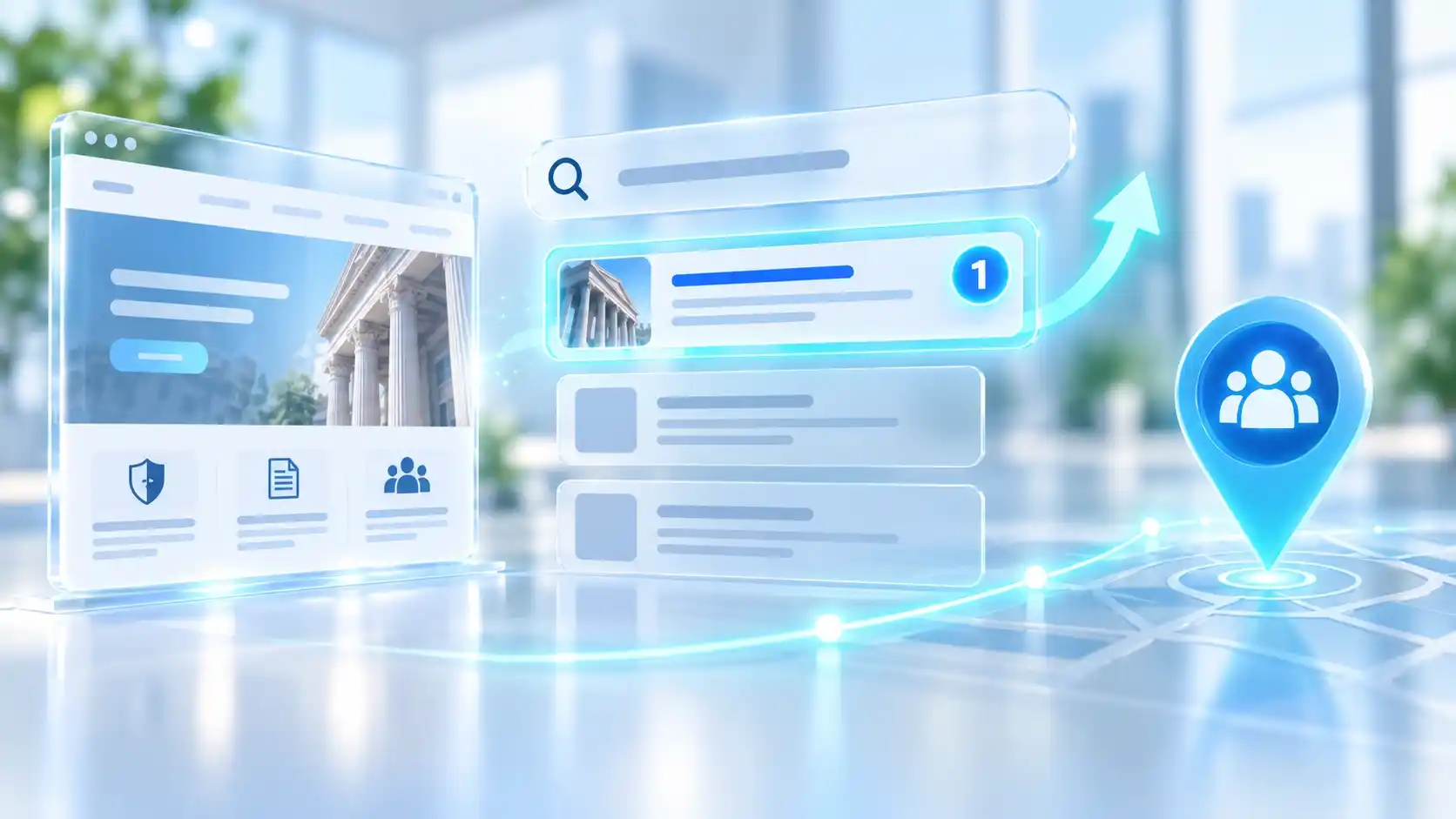
SEO and Organic Search: This is your long-term revenue engine. 53.3% of website traffic comes from organic search, and inbound SEO leads close at 14.6%—significantly higher than outbound. Focus on high-intent keywords that signal buying intent, and create content that answers your prospects’ most pressing questions.
Paid Advertising: Whether through Google Ads, LinkedIn, Facebook, or Bing, PPC campaigns provide immediate visibility and highly measurable results. Each platform serves different audiences—LinkedIn dominates B2B, while Facebook and Instagram offer broader reach with granular targeting capabilities.
Content Marketing: Creating and sharing valuable content establishes your brand as an authority while attracting organic traffic. Blog posts, videos, and infographics engage prospects early in their buyer journey, building trust before they’re ready to convert.
Social Media and Webinars: With 5.24 billion social media users globally, these platforms are essential for reaching your audience where they already spend time. Webinars and live events create direct engagement opportunities, allowing you to showcase expertise and capture high-intent leads in real time.
The key is consistency. Your marketing infrastructure should systematically drive traffic through multiple channels, ensuring a steady stream of prospects entering your lead generation system.
Component 2: Capturing Leads Effectively
Lead capture is where your marketing system truly comes to life. It’s the mechanism that transforms casual visitors into qualified prospects by inviting them to voluntarily share their contact information—like email, phone, or job title—in exchange for something valuable. This foundation is critical because it enables you to build a segmented database, personalize your follow-up communications, measure your marketing effectiveness, and ultimately shorten your sales cycle.
Designing High-Converting Lead Capture Pages
Your landing page is ground zero for lead generation success. Start with an attention-grabbing headline paired with a compelling value proposition that immediately tells visitors why they should care. Layer in engaging visuals and persuasive copy that speaks directly to their pain points, then guide them toward a strong call-to-action (CTA).
The best landing pages share common traits: they’re simple, mobile-optimized, and user-friendly. Since over 55% of web traffic comes from mobile devices, this isn’t optional—it’s essential. Consider adding video to your landing pages; video can boost conversions by up to 86%.
Your lead capture form itself deserves strategic placement—ideally above the fold where visitors see it immediately. Keep it lean by asking for minimal essential information. Research shows that 3 fields or fewer deliver the highest conversion rates, though you can increase fields if lead quality is your priority. Use clear labels, action-oriented CTA text, and progressive profiling to gather additional information from returning visitors over time without overwhelming them.
Leveraging Multiple Capture Channels
Don’t rely on landing pages alone. Deploy your lead capture strategy across multiple touchpoints: high-traffic website pages, blog posts, social media platforms like LinkedIn Lead Gen Forms, and email campaigns. Pop-ups and slide-ins can be particularly effective when done right—welcome pop-ups, exit-intent pop-ups, time-based triggers, and scroll-based variations all have their place.
The key is offering genuine value while avoiding intrusiveness. Keep these elements simple and focused. Interactive content deserves special attention here; interactive tools generate 2x more conversions than passive content, making calculators, quizzes, and assessments powerful lead magnets.
Optimizing Your Lead Capture Strategy
Your lead magnets—whether gated ebooks, free trials, consultations, or exclusive access—should align with your audience’s needs. Consider conversational marketing through chatbots, which can increase capture rates significantly. Continuous testing and refinement based on actual performance data is non-negotiable; the average landing page converts at 9.7% across industries, but B2B pages typically range from 2-5%.
Remember, speed matters. Contacting prospects within one hour of their inquiry makes you nearly 7 times more likely to qualify them. Use marketing automation platforms to track lead-level interactions with your content and emails, giving you insights that aggregate analytics tools simply can’t provide. This data-driven approach ensures your lead capture system continuously improves and delivers better results over time.
Component 3: Nurturing Prospects Towards Conversion
Lead nurturing is the strategic process of guiding prospects through your marketing funnel by providing timely, valuable content that addresses their specific needs and pain points. This ongoing engagement builds trust and keeps your business top of mind, ultimately encouraging prospects to move toward a purchase decision. The good news? 80% of potential customers not ready to buy immediately will make a purchase within the next 24 months—making nurturing a critical investment.
Building Your Lead Nurturing Strategy
An effective lead nurturing strategy requires a structured approach. Start by gathering customer data and mapping the customer journey to understand where prospects are in their buying process. Then, create a targeted content strategy—such as automated drip campaigns—that delivers the right message at the right time. Companies excelling at lead nurturing generate 50% more sales leads at 33% lower cost per lead, demonstrating the efficiency gains possible with a well-executed system.
Your nurturing approach should span multiple channels including email, SMS, retargeting ads, and social media. This multichannel strategy ensures you reach prospects where they’re already engaged. Additionally, implement lead scoring to rank prospects based on their engagement level and likelihood to convert, allowing your sales team to prioritize high-potential leads.
Key Components of Effective Nurturing
Segmentation is foundational—divide your audience based on behavior, demographics, and engagement patterns to deliver personalized interactions. Progressive profiling helps you learn more about prospects gradually through each interaction without overwhelming them with questions. This builds relationships while gathering intelligence about their needs.
Strategic messaging and personalization are crucial for success. Tailor your content and messaging based on gathered information and intent data. Content marketing serves as the foundation here—create relevant, valuable content in various formats like blog posts, videos, and infographics that address prospect pain points at each stage of the funnel.
Email marketing remains highly effective, delivering a 4,300% ROI when done strategically. Keep emails focused, concise, and conversational. Plan a natural progression through your sales funnel, ensuring each message builds on the previous one while providing genuine value.
Finally, continuously evaluate your efforts by monitoring metrics like email open rates, click-through rates, engagement levels, and conversion rates by lifecycle stage. This data-driven approach allows you to optimize your nurturing system over time, ensuring consistent lead generation and improved conversion outcomes.
Component 4: Optimizing for Conversion
Conversion optimization is where your marketing system proves its worth. It’s the bridge between capturing attention and turning prospects into paying customers. By implementing strategic conversion tactics, you can dramatically improve how many leads actually become sales—and automating lead scoring and streamlining handoffs between marketing and sales can double conversion rates and increase upgrades by 80%.
Streamline Your Landing Pages and Lead Capture
Your landing pages are conversion machines, so treat them that way. Focus on clarity with compelling, focused calls-to-action, minimal form fields to reduce friction, and strong visual hierarchy that guides visitors toward your offer. Speed matters too—pages loading under 2 seconds can double conversions, so don’t let slow performance sabotage your efforts.
A/B testing is your secret weapon here. Test headlines, button colors, and page layouts to identify what resonates with your audience. Video content is particularly powerful; landing pages with videos can increase conversions by up to 80%. Consider adding interactive elements like quizzes, calculators, or polls to boost engagement and keep visitors on your page longer.
Social proof builds trust instantly. Display testimonials, star ratings, case studies, and “As featured in” logos to show prospects they’re in good hands. Exit-intent popups can also recover 10-20% of abandoning visitors by offering timely incentives like discounts or free guides.
Accelerate Lead Qualification and Nurturing
Building a consistent follow-up cadence can increase demo bookings by 37% and conversion rates by 22%. But speed is critical—responding to leads within 15 minutes makes you 7x more likely to close a sale.
Use AI-powered lead scoring to prioritize high-fit prospects and route them directly to sales reps, maximizing your team’s efficiency. Automate lead nurturing with behavior-based triggers and drip campaigns so no lead falls through the cracks. Conversational marketing through live chat and chatbots provides instant answers, reducing drop-offs and increasing lead flow.
Implement multi-channel retargeting to recapture the 98% of first-time visitors who don’t convert, especially within 24 hours when intent is highest. AI-powered personalization through dynamic content based on visitor behavior and predictive analytics identifies high-conversion potential leads faster.
Measure and Optimize Continuously
Track metrics like customer acquisition cost (CAC), lead-to-customer ratio (LVR), and MQL-to-SQL conversion rates. This data reveals what’s working and where bottlenecks exist. Continuous optimization ensures your marketing system generates predictable, consistent lead flow that your sales team can reliably convert into revenue.
Component 5: Fostering Retention and Loyalty
Building a marketing system that generates leads consistently isn’t just about acquisition—it’s about creating lasting relationships that drive long-term value. Retention begins the moment a prospect enters your funnel. When you acquire customers who genuinely align with your offerings through quality lead generation, you reduce churn and maximize lifetime value from day one.
The Foundation: Quality Over Quantity
The most effective lead generation systems prioritize high-quality prospects who are more likely to convert and stay engaged. Effective lead generation ensures that only sales-ready leads move forward, improving both conversion rates and long-term engagement. This starts with transparent communication and personalized interactions during the acquisition phase—building trust and confidence that carries through the entire customer relationship.
A customer-centric approach in your lead generation strategy goes beyond the first sale. By providing value upfront and maintaining alignment between sales and marketing through structured lead qualification, you create the foundation for sustainable growth and loyalty.
Leveraging Lead Data for Post-Sale Success
Once you’ve acquired customers, your lead data becomes a goldmine for retention. Use the insights gathered during lead generation to fuel B2B email marketing campaigns, personalized product recommendations, exclusive content, and re-engagement initiatives. This approach transforms one-time buyers into loyal customers.
Lead nurturing is critical here. Companies excelling at lead nurturing generate 50% more sales-ready leads at 33% lower cost while building stronger customer relationships. Key elements include segmentation (dividing contacts by persona or buyer stage), strategic content addressing specific pain points, and automation that delivers the right message at the right time.
Building Loyalty Through Personalization and Support
Personalized experiences are loyalty multipliers. Research shows that 78% of consumers are likely to be repeat customers when they receive personalized interactions. Combine this with excellent customer support, loyalty programs, and exclusive content to turn satisfied customers into brand advocates who generate referrals.
Modern technology amplifies these efforts. AI-powered tools and data analytics can predict churn patterns, automate follow-ups, and personalize communication at scale—ensuring your retention strategy grows alongside your lead generation system.
Essential Tools and Technologies for Your Marketing System
Building a consistent lead generation system requires the right technology stack working in harmony. The global lead generation software market is valued at $7.4 billion in 2025 and projected to reach $16.2 billion by 2034, reflecting how critical these tools have become. However, 91% of marketers identify lead generation as a top priority, yet 61% find it their greatest challenge—often due to fragmented technology stacks and poor tool selection.
Core Platform Infrastructure
Your foundation should start with a robust CRM and marketing automation platform. HubSpot excels at attracting and nurturing inbound leads, offering form-building, CMS integration, email marketing, lead scoring, and nurturing capabilities all in one ecosystem. For enterprise teams, Salesforce Sales Cloud centralizes lead data from various touchpoints, automates lead assignment, and uses AI-powered predictive lead scoring to optimize your sales pipeline.
The key advantage of these platforms is their integration capability—data quality is non-negotiable, and bidirectional syncing between your CRM and other tools determines your actual ROI. Native integrations are generally more reliable than custom connections, so prioritize platforms that connect seamlessly with your existing tech stack.
Lead Capture and Engagement Tools
Lead capture happens across multiple channels, and your system must accommodate this reality. Zapier connects to 8,000+ apps and includes form builders and database tools with AI orchestration built in, making it ideal for automating lead capture and follow-up workflows. For real-time engagement, conversational tools like Intercom use AI-powered chatbots and live chat to qualify leads instantly, while LinkedIn, TikTok, Facebook, and Google Lead Gen Ads allow prospects to submit pre-filled forms directly within their feeds.
Landing page builders like Carrd offer affordable, customizable pages for dedicated lead capture, while OptinMonster specializes in behavior-triggered popups and exit-intent technology—particularly effective since the average B2B website visitor conversion rate is only 3.6%.
Prospecting and Outreach Automation
Once you’ve captured leads, enrichment and outreach tools accelerate qualification. Apollo combines a database of 275+ million contacts with a built-in outreach sequencer, while Hunter specializes in finding and verifying professional email addresses for cold outreach. For email campaigns, Mailchimp automates drip sequences with segmentation and workflow automation, and marketing automation software is linked to a 451% increase in qualified leads.
SMS marketing through SimpleTexting and meeting scheduling via Calendly eliminate friction in your follow-up process. Remember: nurtured leads produce 47% higher order values than unengaged leads, making consistent outreach essential.
SEO and Content-Driven Discovery
Don’t overlook SEO as a lead generation channel. seoClarity drives traffic through rank monitoring and AI-powered content creation, while Semrush provides comprehensive keyword research and content gap analysis. With AI answer engines becoming primary discovery channels, optimizing for Generative Engine Optimization (GEO) across ChatGPT, Perplexity, and Gemini is increasingly critical for visibility.
The framework for choosing tools is simple: define the job before selecting the tool, prioritize data quality and integration capability, and match the tool’s scalability to your 24-month growth trajectory. Avoid the common mistake of using too many tools in parallel—this leads to conflicting data and divided attention. Instead, build an integrated system where each tool amplifies your process.
Overcoming Common Challenges in Lead Generation
Building a marketing system for lead generation isn’t without its obstacles. The good news? Most challenges are predictable and solvable with the right strategy. Let’s explore the key hurdles you’ll face and how to overcome them.
Defining Your Audience and Qualifying Leads
One of the first roadblocks businesses encounter is identifying the target audience. Without clarity here, your marketing efforts scatter across ineffective channels. The solution lies in analyzing your existing customer data, conducting surveys and interviews, leveraging social media analytics, and using SEO tools to build detailed buyer personas.
But here’s the critical part: not all leads are created equal. 37% of marketers struggle with generating quality leads. Even worse, 79% of marketing leads never convert to sales because the lead definition itself is flawed. A true lead needs three elements: fit, timing, and motivation—not just curiosity. If your MQL-to-SQL conversion sits below 20%, your lead definition needs refinement. Focus on targeting based on buyer personas, implement lead scoring, ensure your lead magnets are genuinely relevant, and attend industry events where your ideal customers gather.
Timing and Personalization Matter More Than You Think
Speed kills in lead generation—literally. Leads contacted within 5 minutes are 21x more likely to convert, yet most teams fail to enforce rapid response protocols. Establish a 5-minute SLA for inbound leads and use rapid response playbooks to capture momentum.
Equally important is showing up at the right moment. Buyers spend 83% of their research time without sales involvement, and 41% have already chosen a preferred vendor before formal evaluation begins. Use intent signals like G2 activity, website visits, and competitor reviews to catch prospects during their critical 3-6 month research window.
Generic outreach is dead. 73% of buyers actively avoid irrelevant outreach, but personalized, well-timed sequences outperform single-channel approaches by 3-5x. Specificity beats mass mail merges every time.
Building Systems, Not Just Campaigns
The real breakthrough comes from systematic thinking. Most teams waste 60-70% more budget than necessary through fragmented efforts. Instead, build a compounding system where intent data feeds outbound campaigns, responses fuel qualification, and qualification sharpens targeting.
Address dead leads strategically—25% of “dead” leads can be revived within 12 months at 30-50% of new acquisition costs. Meanwhile, tackle multi-stakeholder buying by targeting multiple decision-makers with role-specific messaging. Finally, implement trigger-based outreach monitoring funding rounds, executive changes, and expansion signals—these generate 15-25% response rates versus 5-10% for standard cold outreach.
Combine these elements with consistent lead nurturing (mapping buyer journeys, creating targeted content, and analyzing campaign metrics) and clear ROI measurement using marketing automation and CRM tools, and you’ve built a marketing infrastructure that compounds over time.
Conclusion: Building Your Sustainable Lead Generation Engine
The Reality of Modern Lead Generation
Building an effective marketing system for lead generation isn’t just about casting a wide net anymore. The landscape has fundamentally shifted from traditional “hunting” tactics like cold calls and mass emails to a more strategic “fishing” approach powered by AI-driven targeting, personalized content, and automation. This evolution reflects a critical truth: companies with mature lead generation processes generate 133% more revenue than their competitors.
Yet here’s the challenge—80% of marketers still find their lead generation efforts only slightly or somewhat effective. The gap between effort and results reveals that most organizations lack a truly systematic approach. Lead generation remains the biggest challenge for 61% of marketers, who struggle with generating consistent traffic and converting it into qualified prospects.
The Scalable System Framework
The secret to sustainable lead generation lies in one fundamental principle: “build once, automate repeatedly.” A scalable marketing infrastructure combines three essential components: centralized lead capture through website forms, landing pages, and chatbots; automated lead routing that ensures prospects reach the right team members; and multi-channel nurturing that keeps prospects engaged throughout their buyer journey.
Optimization matters immensely—reducing form fields from 11 to 4 can boost conversions by up to 120%. But capturing leads is only half the battle. Most prospects aren’t ready to buy immediately, making lead nurturing through targeted content critical. The most effective demand generation frameworks blend both inbound strategies (content marketing, SEO, social media) and outbound tactics (cold email, LinkedIn prospecting, paid advertising), each offering distinct advantages in cost, quality, and speed.
Measuring and Refining Your Engine
Your lead generation system thrives on data-driven optimization. Track metrics like lead volume by source, cost per lead, conversion rates, and ROI by channel. CRM data is vital for understanding attribution, analyzing conversion funnels, and identifying what actually works. This continuous feedback loop transforms your marketing infrastructure from a static system into a dynamic engine that compounds results over time.
The companies winning at lead generation understand that quality beats quantity every time. Focused, personalized targeting through the right channels consistently outperforms spray-and-pray approaches. Ready to transform your lead generation efforts into a predictable revenue engine? Let lead generation services help you build and optimize the system that drives sustainable growth.
Note: This blog’s images are sourced from Freepik.