Listen to article
Most marketers waste hours exploring CRO personalization tools, only to end up with platforms that overpromise but underdeliver for mid-funnel conversions. In today’s digital landscape, where customer journeys are rarely linear, delivering personalized website experiences is critical—but the wrong tool can stall growth, frustrate your team, and leave valuable opportunities on the table. The good news? The right website personalization tools allow you to serve dynamic content, segment audiences, and nudge visitors toward conversion—all without major dev headaches.
That’s why we’ve researched and compiled a focused list of the 8 best dynamic content platforms for mid-funnel website personalization. Each tool was selected for its robust feature set, proven results in CRO, and scalability for growing teams (see our selection criteria for more details). Ready to unlock higher conversions and a truly adaptive website? Let’s dive in.
What Are Website Personalization Tools?
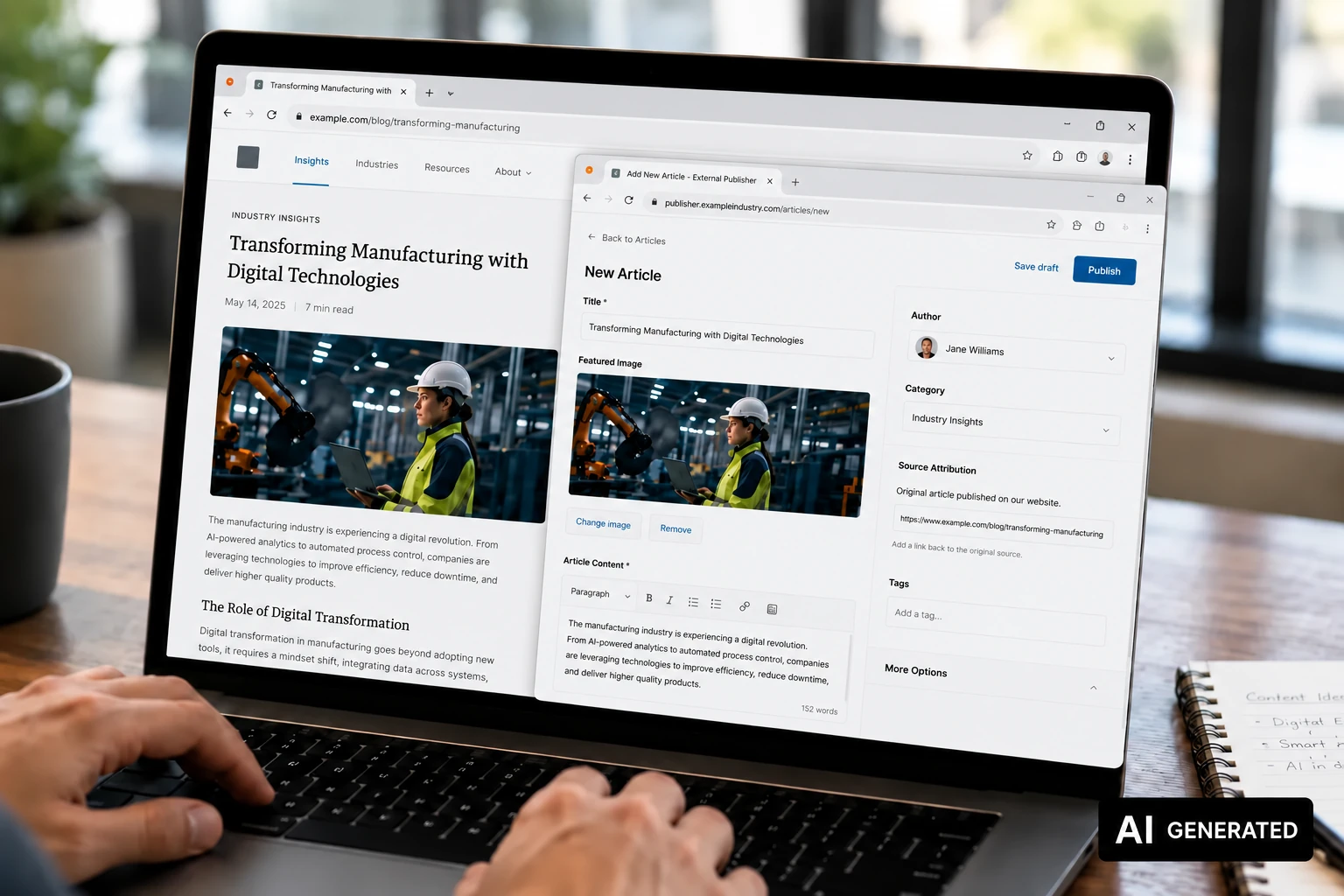
Website personalization tools are specialized software platforms designed to tailor website content and experiences to individual visitors in real time. By utilizing data such as user behavior, location, device, purchase history, and referral sources, these tools deliver personalized website experiences that resonate with each user. This could mean displaying different landing pages, dynamic product recommendations, custom calls-to-action, or even personalized messaging to help drive users down the conversion funnel.
At their core, website personalization tools harness advanced technology—such as artificial intelligence and machine learning—to transform a generic website into a dynamic content platform. These platforms empower marketers to deliver relevant, timely content that improves engagement, retains visitors, and ultimately increases conversion rates.
How Website Personalization Tools Work
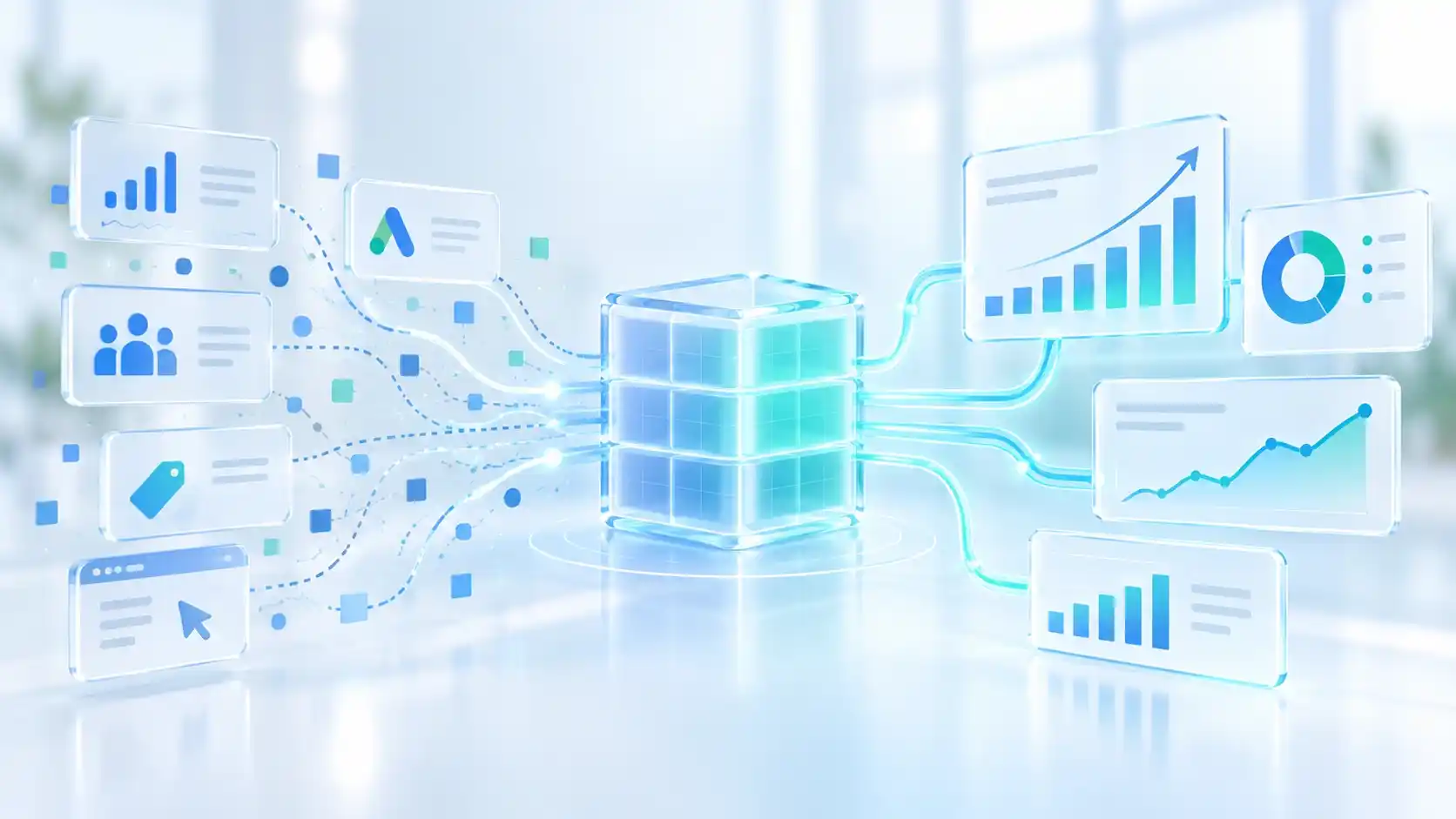
CRO personalization tools function by collecting and analyzing user data. They track how visitors interact with your website, including pages visited, time spent, clicks, and entry/exit points. This information is then processed to segment audiences based on patterns and preferences. By integrating with your existing tech stack (like CRM systems, analytics tools, and e-commerce platforms), personalization tools can aggregate data for even richer targeting.
Once audiences are segmented, the software dynamically updates web elements in real-time—or on the next visit—according to pre-defined rules or AI-driven insights. For example, a returning visitor might see a banner for a previously-viewed product, while a new user could see an introductory offer. This seamless dynamic content adaptation is key for nurturing prospects through the mid-funnel stage and boosting conversion optimization.
Key Features of Effective Personalization Platforms
The most impactful website personalization tools offer a blend of robust features to support flexible, data-driven marketing strategies. Essential features include A/B and multivariate testing, segmentation and targeting, real-time analytics, drag-and-drop content editing, and integrations with CRM, CMS, or email platforms. AI-powered recommendation engines are increasingly common, enabling personalized product suggestions and tailored messaging without heavy manual input.
Advanced security, ease of use, and scalability are also important—particularly as your business grows. The best dynamic content platforms empower marketers to launch changes quickly, test variations, and analyze performance, all without IT bottlenecks or major development resources.
Why Website Personalization Tools Matter for Mid-Funnel Conversion
Website personalization is especially powerful during the mid-funnel stage, where users are considering their options but haven’t yet converted. This stage is critical for building trust, nurturing intent, and addressing specific user needs that generic content can’t achieve. Personalized website experiences foster engagement and encourage visitors to take the next conversion step, whether that’s signing up, downloading a resource, or making a purchase.
Moreover, CRO personalization tools help eliminate friction and guide users down tailored paths—maximizing the effectiveness of your mid-funnel tactics. For businesses looking to improve customer journeys, integrate with digital marketing strategies for small businesses, or scale their efforts, investing in powerful website personalization technology unlocks a significant competitive edge.
The Best Website Personalization Tools for Mid-Funnel CRO
When it comes to boosting conversion rates and creating personalized website experiences, the right CRO personalization tools can make all the difference. We’ve gone in-depth, comparing the top dynamic content platforms that help marketers target users with individualized experiences at the mid-funnel stage. Each tool offers something unique—from AI-powered product recommendations to real-time behavioral targeting—making them essential picks for brands aiming to optimize journeys and maximize results. Dive into our curated table below to find the perfect fit for your personalization strategy.
| Tool | Description | Platforms | Features |
|---|---|---|---|
| ConvertFlow | ConvertFlow is a powerful website personalization and funnel builder that helps businesses create personalized experiences and optimize conversions. | Web | Website Personalization, A/B Split-Testing, Multi-Variate Experiments, Campaign Scheduling, Contact Segmentation, Custom Scripts Manager, Embeds, Events Stream, Form Submission Profiles, Forms, Funnel Conversion Reports, Funnel Logic, Landing Pages, Multi-Site, Product Recommendations, Quizzes, Saved Template Library, Sticky Bars, Team Permissions, UTM Source Reports, Add To Cart |
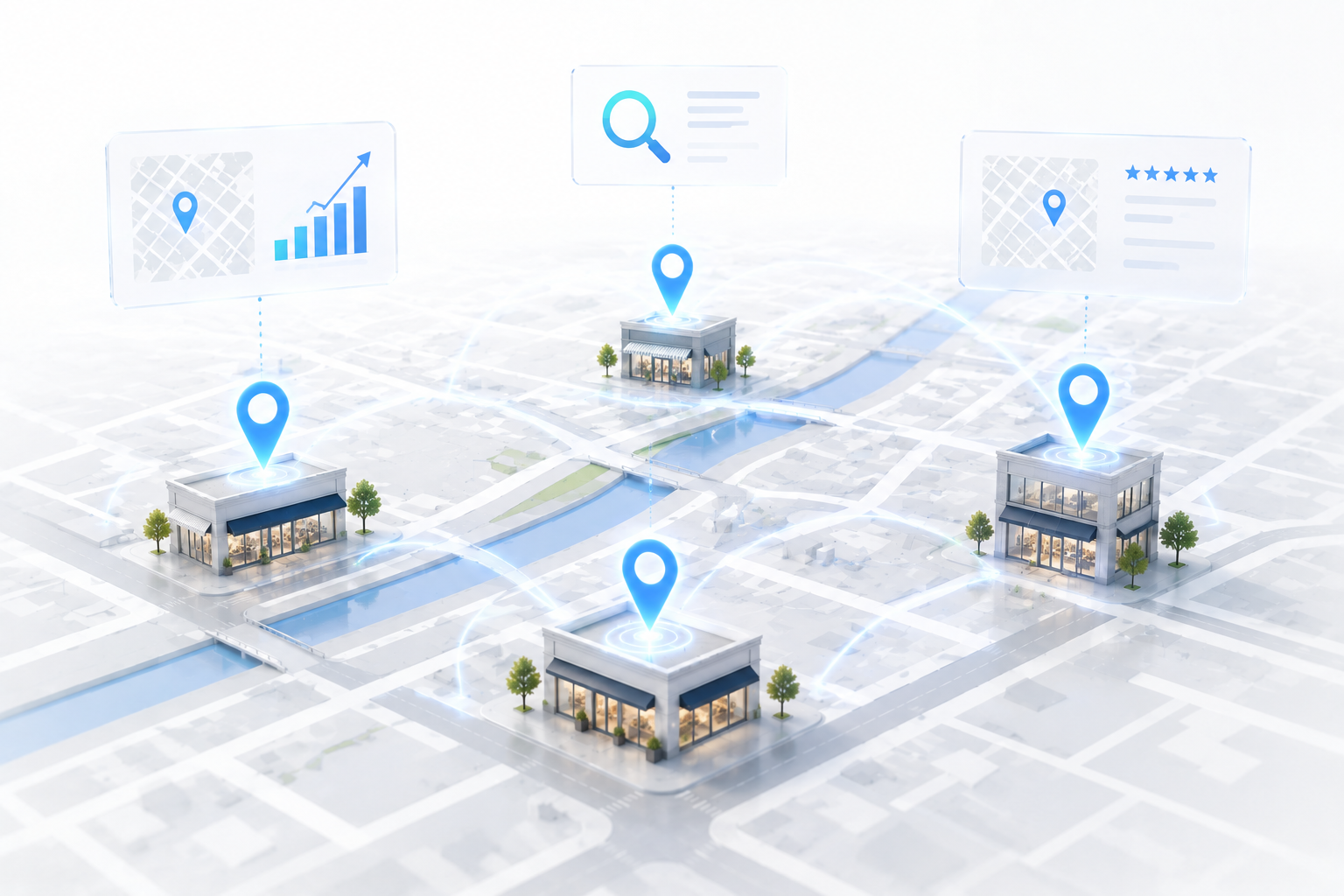
| Geo Targetly | Geo Targetly is a geo-location toolkit for marketers to deliver localized experiences without heavy development work. | Web | Geo Redirect, Geo Block, Geo Image, Geo Popups, Geo Bar, Geo Location, Geo Exit-intent, Geo URL Shortener, Geo Currency, Geo Consent, Geo Links |
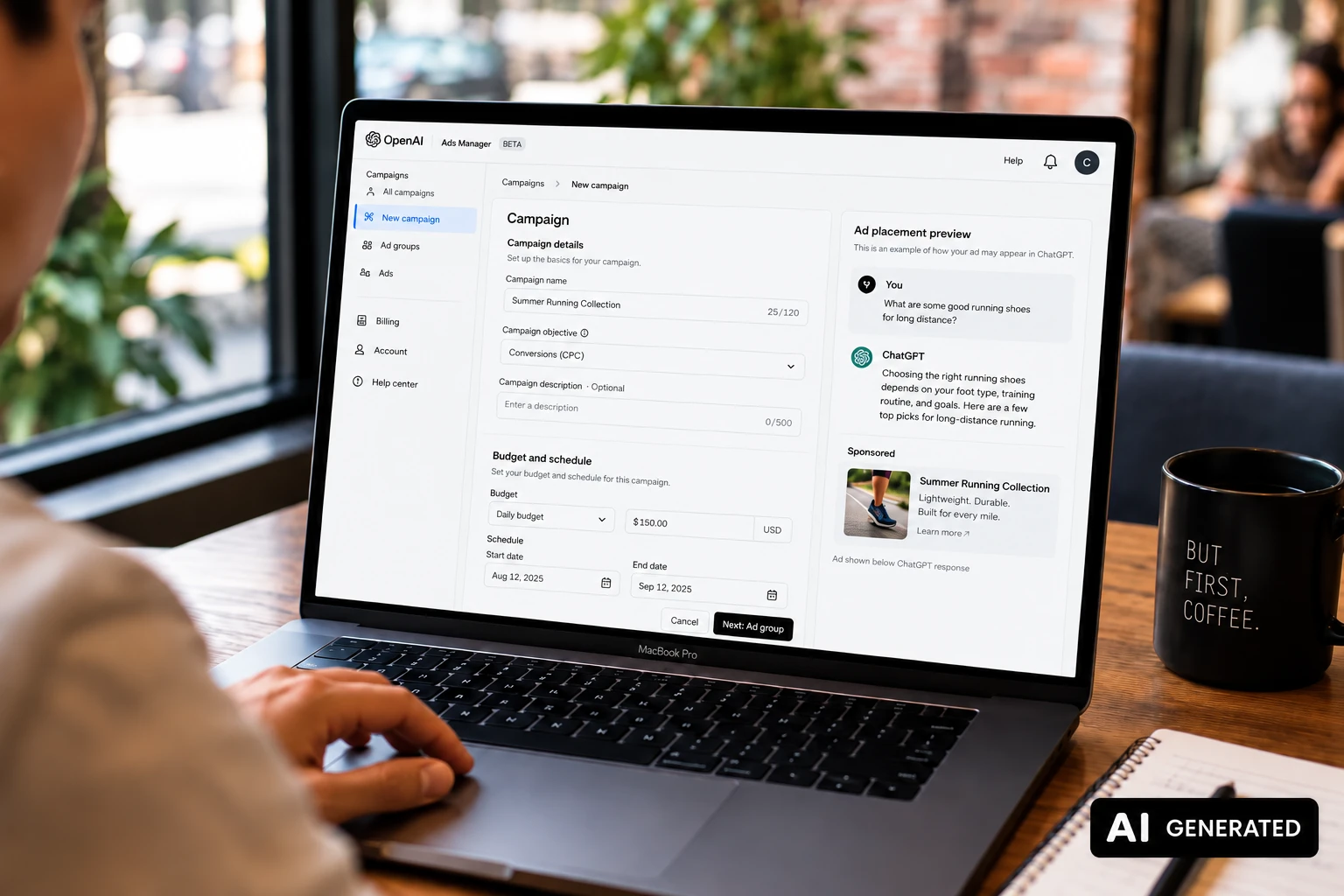
| OptinMonster | OptinMonster helps websites capture more leads and sales through targeted popups, forms, and campaigns. | Web | On-site retargeting, Exit-intent technology, Gamified opt-ins |
| OptiMonk | OptiMonk is a website personalization and conversion optimization platform for tailored experiences. | Web | Personalized product recommendations, Dynamic messages and banners, Exit-intent and cart abandonment pop-ups, Segmentation & targeting, A/B testing and analytics, Integrations with Shopify, WooCommerce, HubSpot, Klaviyo |
| Dynamic Yield | Dynamic Yield is an enterprise-grade personalization platform using AI and machine learning for individualized experiences. | Web | AI-powered product recommendations, Segmentation engine with behavioral & contextual attributes, Dynamic website/app/email content, A/B & multivariate testing, Experience APIs |
| Nudge | Nudge is an AI-powered personalization platform that adapts the shopping experience in real-time based on individual behaviors and intent. | Web | AI-driven real-time personalization, Dynamic product recommendations, Contextual nudges, Funnel personalization, Cart recovery, Modular UI elements, Continuous learning |
| Insider | Insider is an AI-powered omnichannel experience platform that unifies customer data management with cross-channel personalization capabilities. | Web | AI-driven recommendations, Cross-channel journey orchestration, Segmentation, Predictive analytics, Pre-built workflows, Unified customer profiles, Behavioral targeting |
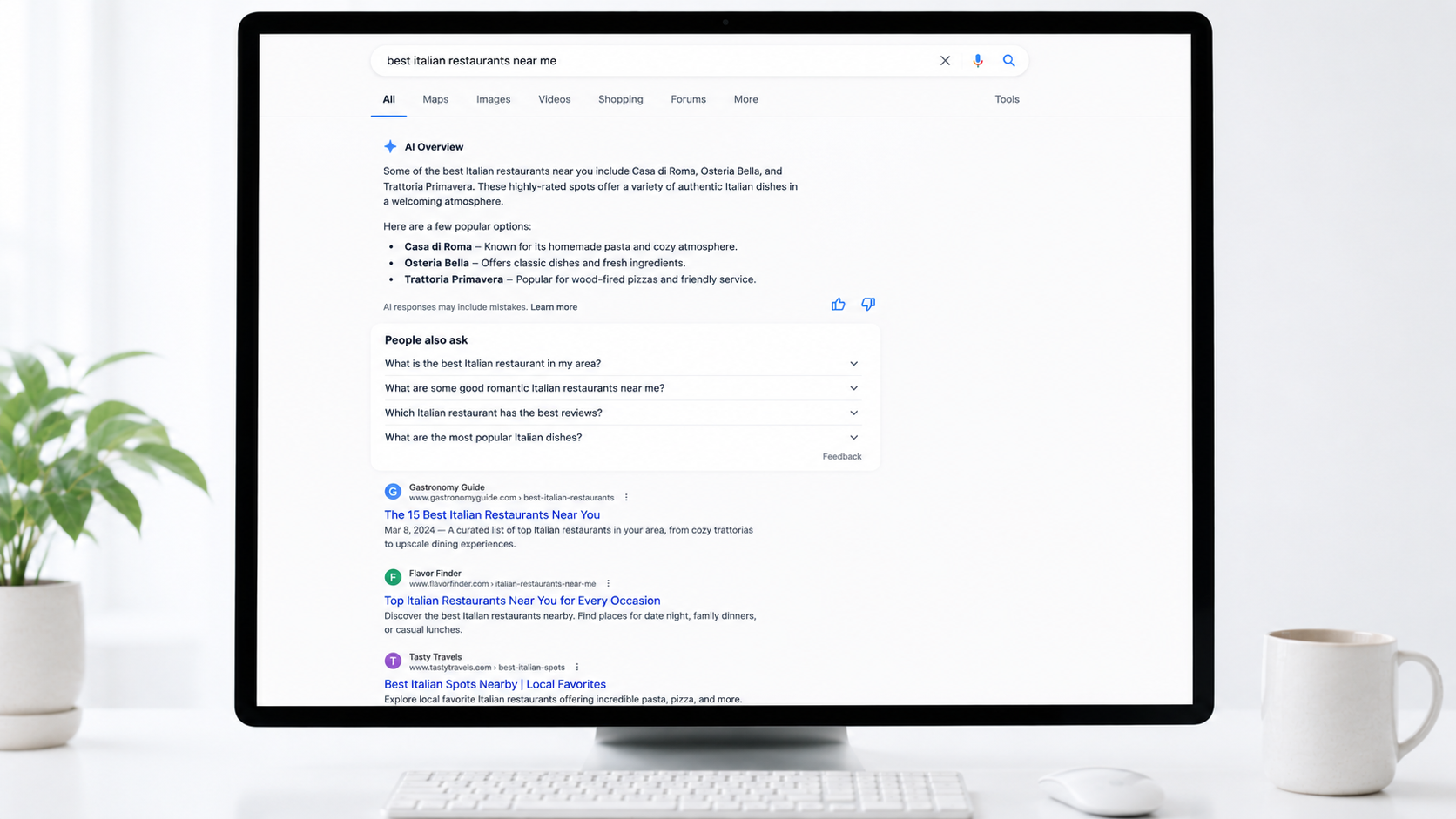
| Bloomreach | Bloomreach is a digital experience platform that combines AI-powered search, content management, and personalization. | Web | AI-powered search, Personalized content delivery, Merchandising rules, Omnichannel campaigns, Customer journey orchestration |

ConvertFlow
ConvertFlow is a versatile website personalization tool and funnel builder designed to help businesses deliver personalized experiences and boost mid-funnel conversion rates. Tailored for busy entrepreneurs, marketers, and agencies, ConvertFlow offers a no-code builder for creating landing pages, popups, sticky bars, and calls-to-action. With features like A/B split-testing, multi-variate experiments, product recommendations, and 300+ templates, ConvertFlow empowers teams to launch dynamic content platforms quickly.
This platform suits marketers and agencies looking for CRO personalization tools that streamline campaigns across multiple sites. Its powerful segmentation, deep integrations with Shopify, WordPress, and popular email platforms, plus collaborative team permissions, make it ideal for complex mid-funnel campaigns.
Pros:
ConvertFlow stands out for ease-of-use and rapid deployment, especially for non-developers. The intuitive no-code builder is accessible for smaller businesses while powerful enough for experienced teams. Deep integrations with CMS and email marketing solutions help deliver segmented, relevant messaging. Agencies will appreciate multi-site management, funnel logic, and team collaboration tools—making it comprehensive for scalable UX for conversion.
Cons:
Some users report a learning curve with advanced capabilities. There’s no free plan or trial, which could hinder small businesses wanting to try before buying. Pricing isn’t specified upfront, and those seeking native desktop or mobile apps may need to adjust their workflow.

Geo Targetly
Geo Targetly is a geo-location toolkit helping marketers deliver localized website experiences without heavy development. The tool enables businesses to auto-redirect visitors to regional pages, switch currencies or languages, and personalize content based on location. With features including Geo Redirect, Geo Block, Geo Image, Geo Popups, and Geo Currency, it stands out as a dynamic content platform for mid-funnel conversion—best suited for global eCommerce brands, SaaS companies, and marketing teams seeking no-code website personalization tools.
Geo Targetly offers diverse location targeting options, segmenting users by country, city, or specific radius. The lightweight script works smoothly with any CMS, enabling advanced CRO personalization without developer support. Pricing starts at $8/month, providing an accessible entry point for geo-personalized content.
Pros:
The standout benefit is simple, no-code setup allowing marketers to quickly launch location-based personalized experiences without technical expertise. Diverse targeting features and seamless platform compatibility make it attractive for businesses managing multiple markets. Tools like Geo Bar and Geo Exit-intent enable granular control over user engagement.
Cons:
No free plan or trial could deter small teams wanting to test before committing. As a web-only platform, those seeking mobile or desktop-specific solutions may need alternatives. Some customized implementations may still require developer input for advanced integrations.

OptinMonster
OptinMonster is a leading conversion optimization toolkit designed to help websites capture more leads and sales using targeted popups, forms, and dynamic on-site campaigns. With its intuitive drag-and-drop builder and vast template selection, OptinMonster streamlines creating personalized website experiences aimed at boosting mid-funnel conversions. Its advanced targeting tools make it ideal among website personalization tools for marketers wanting to increase engagement without coding.
Key features include on-site retargeting, exit-intent technology, and gamified opt-in forms for interactive lead capture. Built-in A/B testing enables fine-tuning personalized campaigns for maximum effect. OptinMonster suits small to mid-sized businesses, bloggers, eCommerce entrepreneurs, and marketing teams focused on CRO personalization. For those looking to Improve conversions, the web-based platform offers subscription pricing starting under $10/month.
Pros:
OptinMonster’s highly intuitive visual builder lets anyone design attractive popups quickly. Behavior-driven triggers—like exit-intent, scroll depth detection, and time-based popups—provide granular control for dynamic content that adapts to user behavior. Built-in A/B testing and hundreds of templates make optimization straightforward without technical expertise.
Cons:
OptinMonster lacks a free plan or trial, limiting pre-commitment testing. Some users find the feature depth overwhelming for basic list-building needs, and certain niche platform integrations may require extra steps.

OptiMonk
OptiMonk is a robust website personalization and conversion optimization platform delivering tailored experiences at every customer journey stage. Beyond popups, OptiMonk enables personalized product recommendations, dynamic content messages, exit-intent and cart abandonment popups, and advanced behavioral targeting. Its CRO personalization tools make it ideal for eCommerce stores boosting order value, SaaS brands personalizing onboarding, and marketers seeking effective website personalization without deep technical expertise. For additional Conversion optimization services, specialized providers can help maximize website performance.
Key features include a drag-and-drop editor, segmentation and targeting options, dynamic banners, A/B testing, and integrations with Shopify, WooCommerce, HubSpot, and Klaviyo. OptiMonk offers freemium pricing with paid plans starting at $19/month, making it accessible for businesses seeking mid-funnel conversion enhancement.
Pros:
OptiMonk’s wide personalization toolkit goes beyond basic popups to offer genuinely powerful personalized website experiences. Its intuitive editor, sales-focused templates, and e-commerce focus enable quick campaign launches with limited technical knowledge. Strong integrations easily plug into existing marketing stacks.
Cons:
Businesses needing enterprise customization or sophisticated automation may find capabilities limited compared to larger CRO tools. The best templates and advanced features require paid plans, so scaling often necessitates upgrades.

Dynamic Yield
Dynamic Yield is an enterprise-grade website personalization tool renowned for its use of AI and machine learning to craft individualized experiences at scale. This dynamic content platform delivers predictive personalization across web, mobile, email, and in-store kiosks. Features include AI-powered product recommendations, robust segmentation, dynamic content and messaging, sophisticated A/B and multivariate testing, and experience APIs—empowering brands to boost CRO with data-driven strategies.
Best suited for large e-commerce and retail enterprises managing complex, multi-channel customer journeys that demand advanced, scalable CRO personalization tools. Its notable strength lies in orchestrating seamless, personalized experiences across touchpoints with deep analytics.
Pros:
Dynamic Yield offers powerful AI-driven recommendations and omnichannel personalization—going beyond standard website personalization tools. Its deep analytics and testing abilities enable continuous mid-funnel optimization through data-backed decision-making, perfect for brands scaling their personalization efforts.
Cons:
The robust capabilities come with a learning curve and may overwhelm smaller teams. The subscription model lacks a free plan or trial, and pricing isn’t publicly listed, creating cost transparency issues. While leading on omnichannel integration, primary support centers around web experiences.

Nudge
Nudge is an AI-powered website personalization tool crafted for high-growth eCommerce brands maximizing mid-funnel conversions. Leveraging real-time behavioral data, Nudge dynamically adapts shopping experiences for each visitor—from homepage engagement to tailored checkout recommendations. Features include AI-driven personalization, contextual nudges, cart abandonment recovery, and modular UI elements, increasing conversion rates, AOV, and LTV while lowering CAC.
Best suited for online retailers and eCommerce teams seeking CRO personalization tools beyond static rules. Designed to empower marketers directly—eliminating development bottlenecks and delivering personalized experiences without constant IT intervention. Its unique strength lies in advanced AI that personalizes touchpoints across the buying journey in real time. Pricing is customized, making it adaptable for scaling enterprises.
Pros:
Nudge delivers truly personalized, real-time experiences improving conversion and engagement across every funnel stage. AI-driven insights anticipate customer behavior—boosting AOV and LTV while minimizing CAC. Marketers benefit from streamlined workflows, bypassing development hurdles to launch and iterate campaigns quickly.
Cons:
Custom pricing may be out of reach for smaller eCommerce companies or startups. No free plan or trial makes testing difficult before committing. Companies needing plug-and-play solutions may need alternatives, as Nudge is optimized for larger, scaling brands prioritizing personalized experiences.

Insider
Insider is an AI-powered omnichannel experience platform designed to help eCommerce brands create seamless, personalized website experiences that drive conversions. By unifying customer data management with cross-channel personalization, Insider delivers contextually relevant content based on predicted intent, preferences, and real-time behavior.
Key features include AI-driven product recommendations, cross-channel journey orchestration, advanced segmentation, behavioral targeting, predictive analytics, and unified customer profiles. The platform is best suited for mid-to-large eCommerce brands and enterprises looking for robust, scalable dynamic content platforms.
Pros:
Insider stands out for its AI-powered approach to CRO personalization tools, allowing marketers to automate campaigns across multiple touchpoints without manual intervention. Its unified customer profile brings together data from disparate sources, driving more accurate segmentation and targeting. Businesses benefit from powerful predictive analytics and behavioral targeting for higher engagement and improved conversions. Insider’s approach aligns well with key CRO insights on data-driven personalization.
Cons:
The most significant drawback is pricing. With plans starting at $4,800/month and no free tier or trial, Insider is generally out of reach for smaller businesses. Custom pricing limits transparency, requiring sales discussions before understanding costs.

Bloomreach
Bloomreach is a powerful digital experience platform for eCommerce brands seeking to supercharge website personalization. With AI-powered search, advanced content management, and dynamic content delivery, Bloomreach helps craft personalized experiences that maximize mid-funnel conversions across web, mobile, and email touchpoints.
Key features include AI-driven product recommendations, merchandising rules, and sophisticated customer journey orchestration. Ideal for medium-to-enterprise eCommerce companies, its standout strength is combining real-time personalization with omnichannel campaign management. Bloomreach offers custom pricing to fit complex organizational needs.
Pros:
Bloomreach excels with its AI-based search and recommendation engine, delivering hyper-relevant content to each user. Customer journey orchestration tools automate and fine-tune mid-funnel experiences, improving CRO and engagement. Omnichannel support enables consistent, personalized messaging everywhere customers interact.
Cons:
Custom pricing can put it out of reach for smaller businesses. No free trial or plan means brands must commit upfront. This sophisticated platform may require a steeper learning curve and dedicated implementation resources compared to simpler personalization tools.
How to Choose the Right Website Personalization Tool
Choosing the right website personalization tools can feel overwhelming. After all, you’re entrusting a platform to understand your audience and deliver personalized website experiences that drive mid-funnel conversions. Before diving into specific features, take a step back and consider your core business needs and technical capabilities.
Start by defining your goals. Are you primarily focused on increasing lead generation, boosting product discovery, or reducing cart abandonment? Each goal may require a different set of features from your CRO personalization tools. For example, if product discovery is key, look for platforms with AI-powered recommendation engines. If lead generation is your focus, prioritize tools with robust form and popup capabilities.
Next, assess your team’s technical expertise. Do you need a no-code solution that empowers marketers to create dynamic content platforms without developer assistance? Or do you have the resources to implement and manage a more complex, enterprise-grade platform? Consider the integrations you’ll need. Does the tool seamlessly connect with your existing CRM, email marketing platform, or e-commerce platform? Finally, think about scalability. Will the platform grow with your business, or will you need to switch tools as your needs evolve? By carefully evaluating these factors, you can narrow down your options and choose a website personalization tool that truly delivers results.
Conclusion
In summary, implementing the right website personalization tools is crucial for optimizing mid-funnel conversions and delivering impactful, personalized website experiences. These dynamic content platforms empower marketers to create tailored journeys, addressing individual user needs and significantly boosting engagement. By leveraging data-driven insights and dynamic content, businesses can nurture prospects more effectively and drive them toward desired actions.
Looking ahead, the field of CRO personalization tools is poised for further innovation. Expect to see increased adoption of AI and machine learning, enabling even more granular segmentation and real-time optimization. The focus will continue to shift towards creating seamless, omnichannel experiences that adapt to each customer’s unique context and intent.
Ready to take your website personalization strategy to the next level? Explore the insights and solutions offered by a Full-service digital marketing agency to unlock the full potential of your online presence.
Note: This blog’s images are sourced from Freepik.