
Listen to article
Tired of trying strategy after strategy to capture B2B demand, only to see your content buried in endless feeds or ignored by AI-powered search? As zero-click content, zero-click SEO, and platform-native content take over the digital landscape, traditional traffic-focused tactics just don’t cut it anymore. In 2026, the brands winning B2B mindshare aren’t chasing clicks—they’re mastering social content that converts, optimizing for citations, and delivering value where their audience already lives.
The stakes couldn’t be higher: B2B buyers are consuming more content off-site and relying on AI-driven summaries, making it critical to embrace zero-click distribution if you want to stay top-of-mind. That’s why we’ve researched and curated the top 10 proven zero click content strategies—each selected for their innovation, real-world results, and alignment with evolving platform algorithms. Ready to future-proof your B2B website strategy? Let’s dive in.
What Is Zero Click Content?
Zero click content refers to information-rich assets designed to deliver value directly on the platform where they are discovered—without requiring users to click through to an external website. Unlike traditional content marketing, which aims to drive traffic to owned properties, zero click content embraces the reality of today’s digital landscape, where audiences often prefer consuming insights natively on social platforms, search engine results pages, or within community threads. This approach is particularly relevant in B2B spaces, where decision-makers seek quick, actionable information amid content overload.
Zero click content includes platform-native content such as LinkedIn carousels, Twitter threads, infographics, and even AI-generated answers within search engines. The goal is to establish authority, build trust, and capture demand—right where your audience is already active. This strategy aligns closely with zero-click SEO, where the priority shifts from ranking for clicks to securing visibility and engagement within the search experience itself.
How Zero Click Content Works
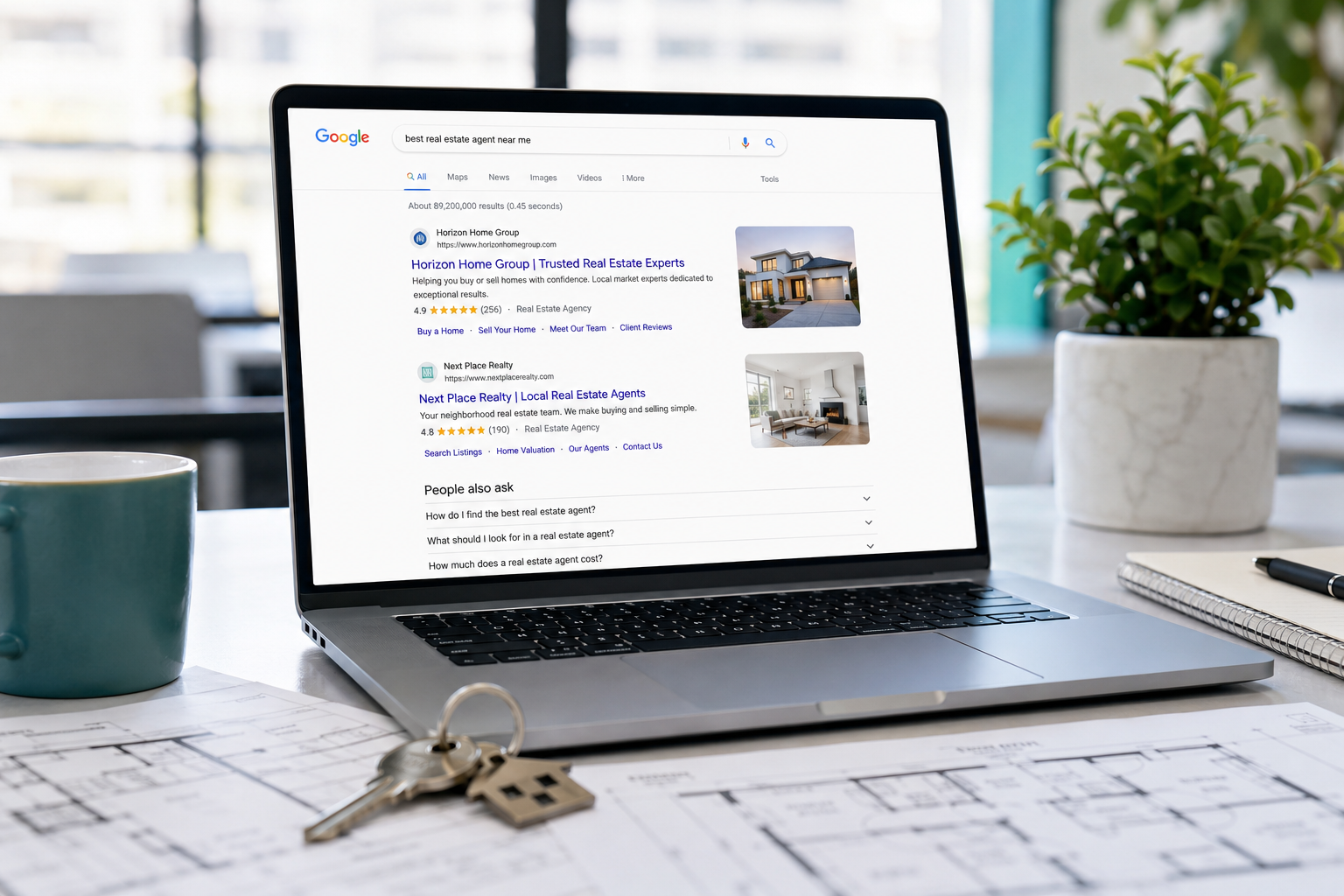
Zero click content strategies function by prioritizing on-platform engagement over website visits. The mechanics involve tailoring content formats and messaging to match the consumption habits of users within each digital channel. For example, crafting social content that converts on LinkedIn means distilling complex B2B insights into bite-sized, shareable posts or visual summaries. In search, zero-click SEO focuses on capturing featured snippets, knowledge panels, and AI-generated citations, ensuring your expertise is surfaced even if the user never clicks through.
Distribution also plays a crucial role. With zero-click distribution, brands leverage high-signal communities, influencer partnerships, and embedded content—such as GenAI assistants or interactive widgets—to meet audiences at every digital touchpoint. The key is anticipating user intent and removing friction, so the value is delivered instantly, building brand affinity and recall without a traditional web journey.
Why Zero Click Content Is Essential for B2B Demand Capture
Today’s B2B buyers are self-educating and engaging with content across a fragmented ecosystem of platforms, forums, and AI-powered search tools. Zero click content meets these buyers where they are, providing immediate answers and actionable insights that foster trust and accelerate the purchase journey. By optimizing for citations and platform-native engagement, brands maintain relevance even as traditional click-through rates decline.
Moreover, zero click content supports a frictionless user experience—critical for modern B2B website strategy and demand generation. It enables brands to establish thought leadership, nurture leads, and even drive conversions without relying solely on owned channels. This is especially powerful when paired with complementary tactics like outsourcing SEO services or integrating with broader digital marketing strategies for small businesses, ensuring a multifaceted approach to demand capture.
Key Benefits and Use Cases of Zero Click Content
The benefits of zero click content extend beyond increased visibility. By delivering high-value insights directly within social feeds, search engines, and community platforms, brands can nurture relationships with prospects earlier in the buying cycle. Use cases range from educating niche audiences in high-signal communities, to supporting behavior-based journeys with anticipatory UX, to repurposing existing assets for maximum reach and engagement.
Zero click content is also adaptable—effective across a variety of platforms and formats, including AI search, embedded assistants, and frictionless content formats such as carousels or quick polls. This flexibility ensures that B2B marketers can respond to shifting consumption patterns, remain top-of-mind, and capture demand efficiently in an era where attention is the ultimate currency. For more on aligning your approach, explore our guide to B2B website strategy.
How to Choose the Right Zero Click Content Strategies for Your B2B Brand
Choosing the right zero click content strategies can feel overwhelming, especially with the pressure to capture B2B demand in an increasingly noisy digital world. It’s not just about picking the trendiest tactic; it’s about aligning your efforts with your specific business goals, target audience, and resources. So, how do you cut through the noise and select the strategies that will truly move the needle for your brand in 2026?
Start by deeply understanding your audience’s online behavior. Where do they spend their time? What questions are they asking? Which platforms do they trust for information? This insight will guide you toward the right channels for zero-click distribution. Next, consider your existing content assets. Can you repurpose blog posts into LinkedIn carousels or transform data-heavy reports into engaging infographics? Leveraging what you already have is a cost-effective way to get started.
Think about the level of personalization you can realistically achieve. Are you ready to invest in behavior-based journeys that adapt to individual buyer actions? Or would you rather focus on building a niche community where you can foster deeper relationships? Finally, don’t overlook the importance of measurement. How will you track the impact of your zero click content efforts? Focus on metrics beyond clicks, such as engagement, brand mentions, and lead generation, to truly understand what’s working and what’s not.

Mastering Off-Site Discovery with a Zero-Click Content Playbook
The Zero-Click Content Playbook for off-site discovery is all about meeting B2B buyers where they’re already searching for answers—beyond your website. With the rise of zero-click SEO and AI-powered answer boxes, more decision-makers are turning to platforms like Reddit, Slack, Discord, YouTube Shorts, and private communities to validate solutions and gather insights. Instead of waiting for prospects to land on your site, this strategy focuses on distributing actionable, platform-native content directly into these channels, capturing demand at the earliest stages of the buyer journey.
To implement this, start by mapping out where your target audience actively seeks information. Create concise, problem-solving posts for Reddit threads, share quick tips or product insights in Slack or Discord groups, and develop engaging short-form videos for social feeds and YouTube Shorts. Tailor each piece to the unique format and culture of the platform—think direct answers, visual explainers, or community Q&As. This approach is ideal for B2B marketers, product teams, and founders looking to generate demand and trust without relying on website clicks.
By leveraging zero-click distribution, you’ll build brand authority, nurture prospects earlier, and drive higher intent engagement—all while positioning your expertise where buyers are already making decisions.
Pro Tip:
- Monitor trending discussions and common pain points in your target communities to inform your content topics.
- Use platform analytics to refine your approach and double down on what resonates most with your audience.

Leverage Embedded GenAI Assistants in Your Sales Workflow
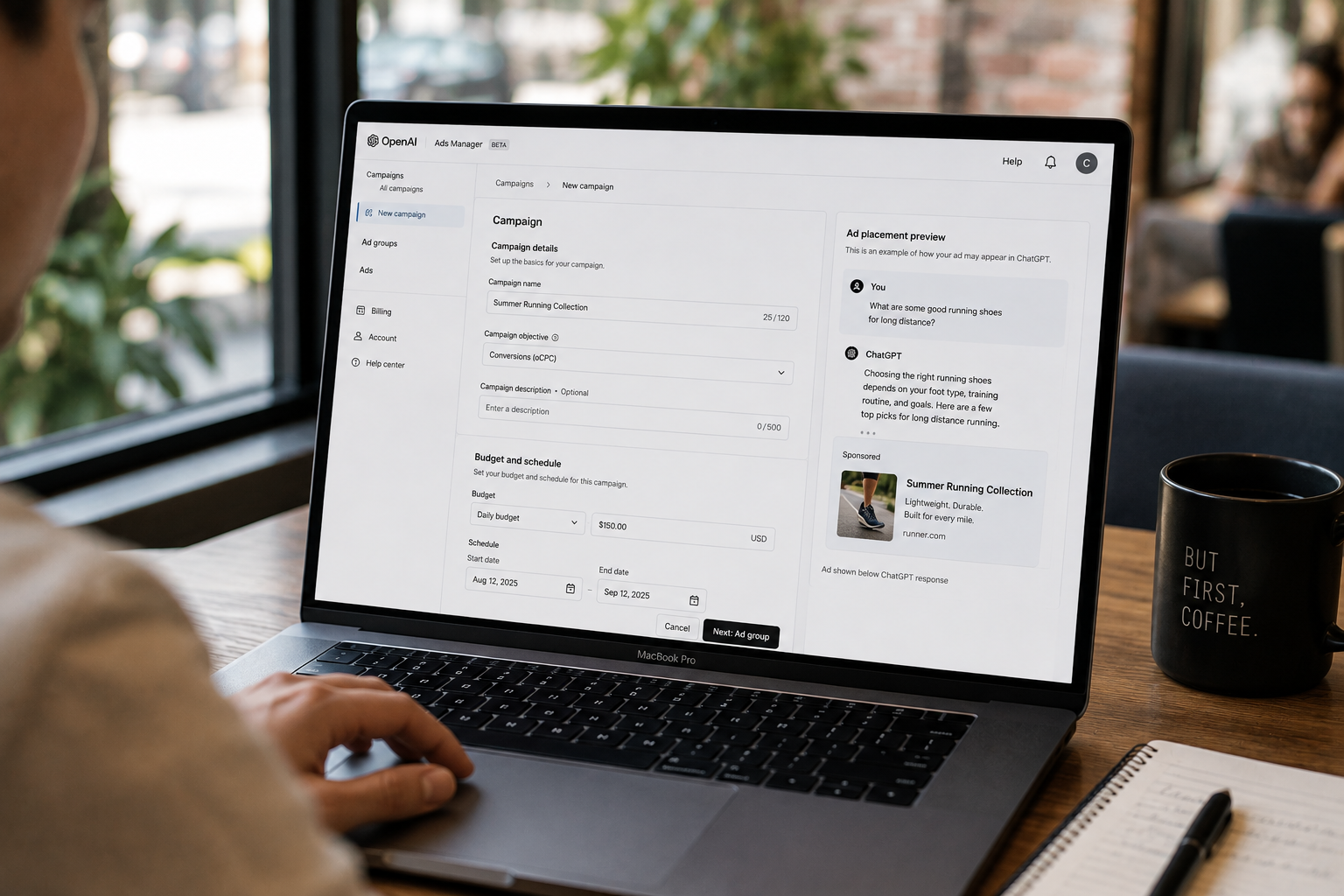
Embedded GenAI assistants are transforming how B2B teams create zero click content by integrating generative AI tools—like Gong, Lavender, and ChatGPT—directly within CRM or ABM platforms. These AI-powered assistants automate key sales tasks, such as generating proposals, summarizing discovery calls, and crafting personalized follow-up messages. This approach streamlines workflows, reduces manual effort, and ensures your sales communications are timely and hyper-relevant—making it a powerful zero-click SEO and zero-click distribution tactic.
To implement this strategy, start by identifying the GenAI tools that best integrate with your existing CRM or ABM systems. Set up automated triggers for proposal generation, call summarization, and follow-up drafting. Train your sales team on how to review and personalize AI-generated content for maximum impact. This method is ideal for B2B sales and marketing teams looking to scale personalized outreach and create social content that converts—without requiring prospects to leave their current platform. For teams focused on multi-channel lead generation, embedding GenAI assistants can significantly enhance outreach efficiency and effectiveness.
By embedding GenAI assistants, you’ll accelerate sales cycles, improve engagement, and deliver platform-native content that meets buyers where they are. The result? More efficient processes, higher-quality interactions, and increased demand capture—all without relying on traditional click-throughs.
Pro Tip:
Regularly review AI-generated content for accuracy and tone, and continuously update your prompts based on buyer feedback to keep your messaging sharp and relevant.

Optimize for AI Citations, Not Just Clicks
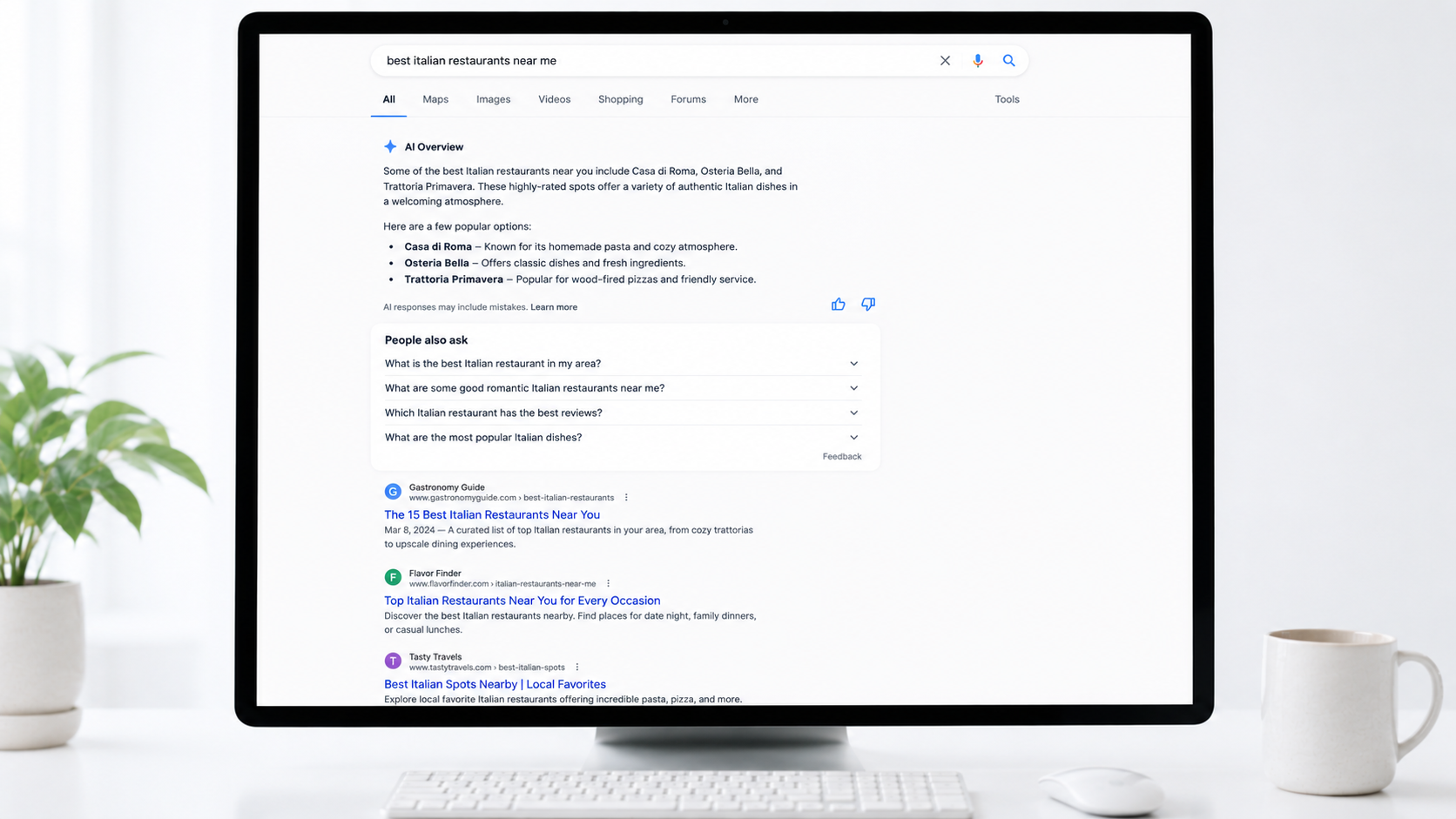
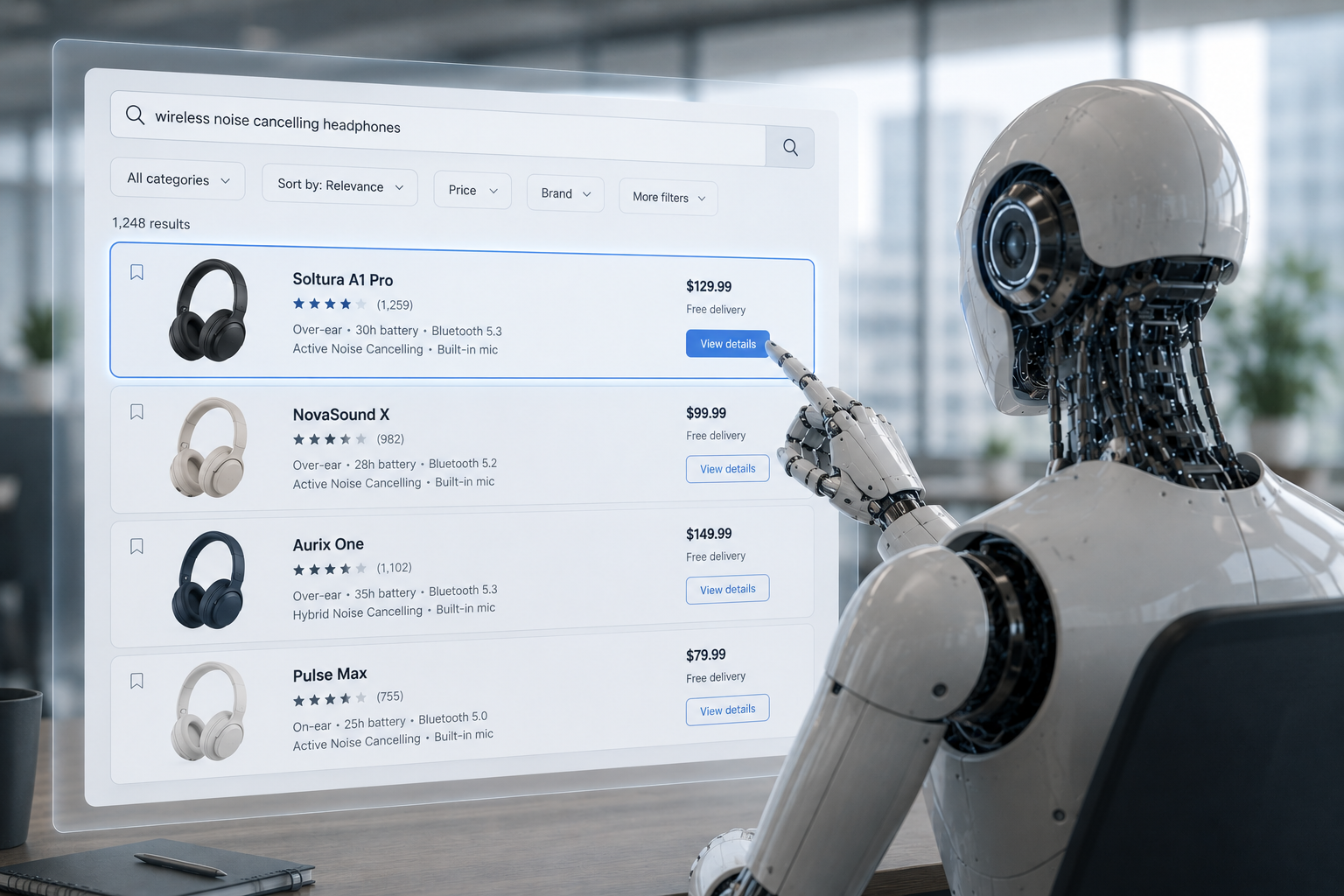
As AI-powered search and Large Language Models (LLMs) become the norm, zero click content is evolving. Instead of focusing solely on driving users to your website, this strategy emphasizes making your content the go-to source for AI citations. When your insights, stats, or definitions are referenced directly in AI-generated answers, your brand gains authority and visibility—even if users never click through.
To implement this, start by crafting content that’s clear, concise, and packed with well-defined entities (think: people, companies, products, and industry terms). Use structured data markup and cite authoritative sources to help AI easily identify and extract your information. Regularly update your content to maintain accuracy and relevance, as LLMs and zero-click SEO algorithms favor fresh, trustworthy data.
This approach is ideal for B2B brands, thought leaders, and marketers seeking to influence decision-makers early in the buying journey. The payoff? Increased brand recognition, trust, and demand capture through zero-click distribution—even before prospects land on your site.
Pro Tip:
- Use schema markup to highlight key facts and entities.
- Summarize main points in bullet lists or tables for easy AI extraction.
- Monitor which pages are being cited by AI tools and optimize them further.

Master Platform-Specific Content Formats
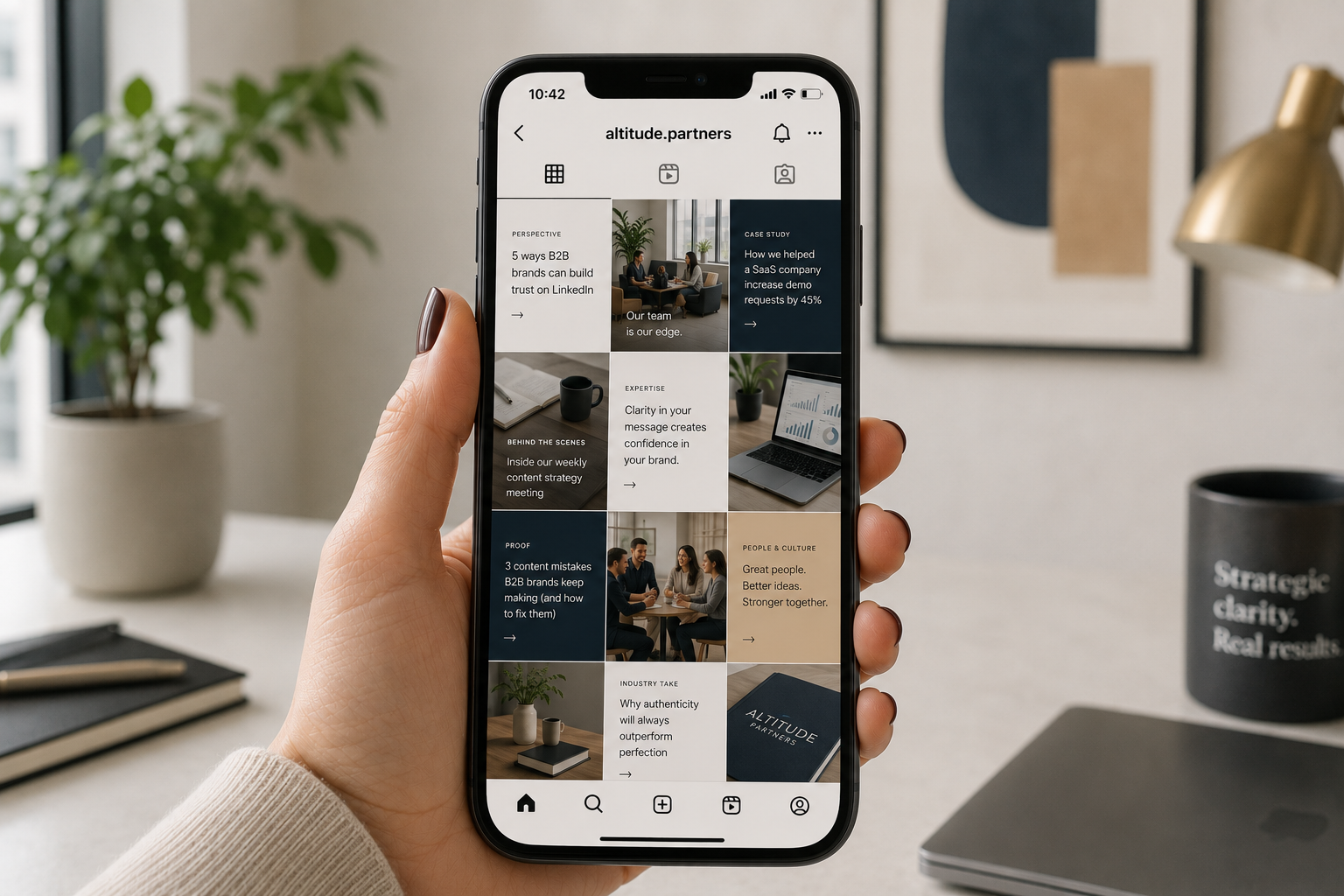
Understanding platform dynamics means crafting your zero click content to fit each social platform’s unique style and user behavior. For example, LinkedIn users engage more with carousels and in-depth posts, while Twitter/X audiences prefer bite-sized threads and eye-catching graphics. By matching your content format to the platform’s native environment, you maximize both visibility and engagement—key ingredients for effective zero-click SEO and zero-click distribution.
To implement this strategy, start by researching which content types perform best on your target platforms. Next, repurpose your core ideas into platform-native content: turn a blog post into a LinkedIn carousel, condense insights into a Twitter thread, or create a short video for Instagram. Consistently monitor engagement metrics to refine your approach. This strategy is especially powerful for B2B marketers, content creators, and brands aiming to create social content that converts directly within the feed. Staying informed on the latest trends in content marketing can also help you adapt your formats and tactics for maximum impact.
When you tailor your zero click content to each platform, you’ll see higher engagement, stronger brand recall, and more B2B demand captured—without relying on external clicks.
Pro Tip:
Test multiple content formats on each platform and double down on what drives the most engagement. Stay updated on platform algorithm changes to ensure your content remains visible and relevant.

Embrace Frictionless Content Formats
Frictionless content formats are all about delivering value to your B2B audience instantly and effortlessly. By leveraging zero click content like short explainer videos, interactive calculators, micro-demos, and platform-native tools, you empower buyers to self-educate without jumping through hoops. This approach aligns perfectly with zero-click SEO and zero-click distribution, meeting prospects where they are and providing the answers they need—right on the platform they’re using.
To implement this strategy, start by identifying your buyers’ most common questions or pain points. Next, create concise, engaging assets tailored to those needs: think 30-second product walkthroughs, ROI calculators, or interactive checklists. Publish these as social content that converts directly on LinkedIn, X, or other relevant platforms, ensuring users get immediate value without leaving their feed. This method works exceptionally well for B2B brands aiming to accelerate the buyer’s journey and reduce drop-off due to content fatigue or unnecessary clicks.
Frictionless content formats are ideal for marketing teams targeting busy decision-makers who crave efficiency. The expected benefits? Higher engagement, better brand recall, and a stronger pipeline—because you’re making it easy for prospects to say “yes” to learning more. If you want to explore how frictionless content can work for your brand, Contact us to get started.
Pro Tip:
- Repurpose long-form assets into bite-sized, zero click content for maximum reach.
- Use analytics to track which formats drive the most interaction and double down on those winners.

Mastering Anticipatory UX for Seamless B2B Engagement
Anticipatory UX is all about predicting what your B2B buyers need before they even realize it themselves. By leveraging data from previous sessions, you can pre-load relevant zero click content, tailored calls-to-action (CTAs), or conversation starters. This proactive approach, inspired by the hospitality industry, minimizes friction and creates a smoother, more personalized buyer journey—boosting satisfaction and engagement.
To implement this strategy, start by analyzing user behavior and interaction history on your digital platforms. Use these insights to set up dynamic content modules that automatically display the most relevant information or CTAs when a returning visitor lands on your site or social channels. For example, if a prospect previously explored a specific product page, greet them with platform-native content that addresses common follow-up questions or offers a downloadable resource. This approach works exceptionally well for B2B marketers, sales teams, and customer success professionals aiming to capture demand with zero-click SEO and social content that converts.
The key benefits include higher engagement rates, reduced buyer hesitation, and increased likelihood of conversion—all without requiring extra clicks or effort from your audience.
Pro Tip:
- Integrate anticipatory UX with your CRM to personalize content at scale.
- Test different pre-loaded CTAs to see which drive the most zero-click distribution and conversions.

Build and Nurture Exclusive Niche Communities
Zero click content thrives in high-signal, niche communities—think customer councils, private Slack groups, or invite-only LinkedIn circles. These exclusive spaces become trust-rich channels where industry peers share insights, swap experiences, and build authentic relationships. By fostering such communities, brands can bypass traditional click-based funnels and deliver value directly where their audience already gathers, making this a powerful zero-click distribution strategy.
To implement, start by identifying your ideal audience segment and the platforms they frequent. Create a private group or council, invite select members, and set clear expectations around value and participation. Facilitate regular discussions, share platform-native content, and encourage knowledge sharing. Over time, nurture advocacy by spotlighting member successes and weaving in zero-click SEO tactics—like sharing actionable insights without requiring external clicks.
This strategy is perfect for B2B brands seeking to deepen relationships with high-value prospects, customers, or industry thought leaders. The benefits? Increased trust, organic advocacy, and a steady stream of social content that converts—without relying on external traffic.
Pro Tip:
- Regularly host virtual events or Q&As to keep engagement high.
- Empower community members to contribute their own zero click content, amplifying reach and credibility.

Activate Behavior-Based Buyer Journeys
Behavior-based journeys take zero click content to the next level by responding to real-time buyer actions instead of relying on static, one-size-fits-all nurture tracks. This approach uses intent signals—like content downloads, website visits, or social engagement—to trigger personalized sequences that adapt as prospects interact with your brand. The result? More relevant and timely communications that keep buyers engaged and steadily moving through your sales funnel.
To implement this strategy, start by mapping out key buyer behaviors that indicate interest or intent. Next, set up automation tools to monitor these behaviors and trigger platform-native content or messages tailored to each action. For example, if a prospect engages with your social content that converts, follow up instantly with related resources or invitations to events. This method is ideal for B2B marketers seeking to maximize zero-click SEO and zero-click distribution by meeting buyers where they are, with exactly what they need.
Expect higher engagement rates, faster progression through your pipeline, and a more personalized buyer experience. This strategy is especially effective for organizations with longer sales cycles or complex offerings, where timely, relevant touchpoints can make all the difference.
Pro Tip:
Continuously analyze which behaviors most strongly correlate with conversion, and refine your triggers and content accordingly for even better results.

Optimize Content for AI-Driven Search
AI-search optimization is all about tailoring your zero click content so that AI assistants and search engines can instantly surface your answers—without users ever needing to click through. As AI-powered search and zero-click SEO become the norm, structuring your content with schema markup, Q&A formats, and clear metadata is crucial. This approach ensures your insights are easily parsed by AI, making your expertise visible right at the top of search results or within conversational AI platforms.
To implement this strategy, start by identifying common questions your B2B audience asks. Format your content using concise Q&A sections and leverage schema markup (such as FAQ or HowTo) to help AI understand the context. Add detailed, keyword-rich metadata and ensure your answers are direct and actionable. This SEO content strategy is ideal for B2B brands, SaaS companies, and thought leaders aiming to capture demand through platform-native content and zero-click distribution.
By embracing AI-search optimization, you’ll boost your visibility, authority, and lead generation—without relying on traditional clicks. Your content becomes the go-to resource, driving engagement even before users land on your website.
Pro Tip:
Regularly audit your content for emerging AI search trends and update your schema markup to stay ahead in the evolving zero-click landscape.

Transform Long-Form Content into Bite-Sized Zero Click Assets
Repurposing existing assets is a smart, scalable zero click content strategy for B2B brands. Instead of simply sharing links to your blog posts, whitepapers, or case studies, you break down these long-form resources into concise, platform-native content. By summarizing key insights, frameworks, or takeaways directly within social feeds, you deliver instant value—no extra clicks required. This approach boosts your visibility with zero-click SEO and ensures your expertise reaches busy decision-makers where they already spend time.
To implement this, start by auditing your top-performing or evergreen content. Identify the most actionable points, statistics, or frameworks, and reformat them into social-first visuals, carousels, infographics, or punchy text posts. Focus on clarity and brevity, making each piece self-contained and valuable on its own. B2B marketers, content teams, and thought leaders will find this strategy especially effective for building authority and nurturing demand without friction.
The benefits? You get more mileage from your content investments, increase engagement, and drive brand recall—even if users never click through. This is social content that converts attention into trust and demand, right on the platform.
Pro Tip:
- Always tailor your zero-click distribution to each platform’s native format (e.g., LinkedIn carousels, Twitter threads).
- Track engagement metrics to see which repurposed assets resonate most, and double down on those formats.
Conclusion
In 2026, capturing B2B demand requires a paradigm shift: moving beyond traditional click-through metrics to embrace the power of zero click content. By prioritizing value delivery directly on platforms, optimizing for citations, and understanding the dynamics of each channel, B2B brands can establish authority, nurture leads, and drive conversions more effectively. Mastering social content that converts and focusing on platform-native content are no longer optional—they’re essential for staying top-of-mind in an increasingly fragmented digital landscape.
As AI-driven search and evolving consumption habits continue to reshape the B2B buyer journey, the ability to create frictionless, anticipatory experiences will be paramount. Embracing zero-click SEO and zero-click distribution strategies will enable brands to meet their audience where they are, fostering trust and accelerating the path to purchase. The future belongs to those who prioritize engagement and value over mere traffic.
Ready to unlock the full potential of zero click content and transform your B2B demand generation strategy? Explore SEO services to discover how to optimize your content for maximum impact in the zero-click era.
Note: This blog’s images are sourced from Freepik.