Tired of trying strategy after strategy with no real results in your B2B conversion funnel? You’re not alone. Many marketers pour hours into refining website messaging frameworks, tweaking homepage copy formulas, and searching for the perfect landing page copy examples—yet conversions stubbornly lag behind. In today’s competitive B2B landscape, every touchpoint and every sentence matters. The difference between a thriving funnel and a leaky one often comes down to how well you handle objections and how clearly you communicate your value proposition.
That’s why we’ve done the research and pulled together eight proven strategies that separate high-performing funnels from the rest. Each tactic on this list is backed by real-world copy examples and rooted in best practices that drive measurable impact. Our selection criteria? Practicality, repeatable results, and clarity of execution. Ready to optimize your B2B conversion funnel and turn more traffic into revenue? Let’s dive in.
What is a B2B Conversion Funnel?
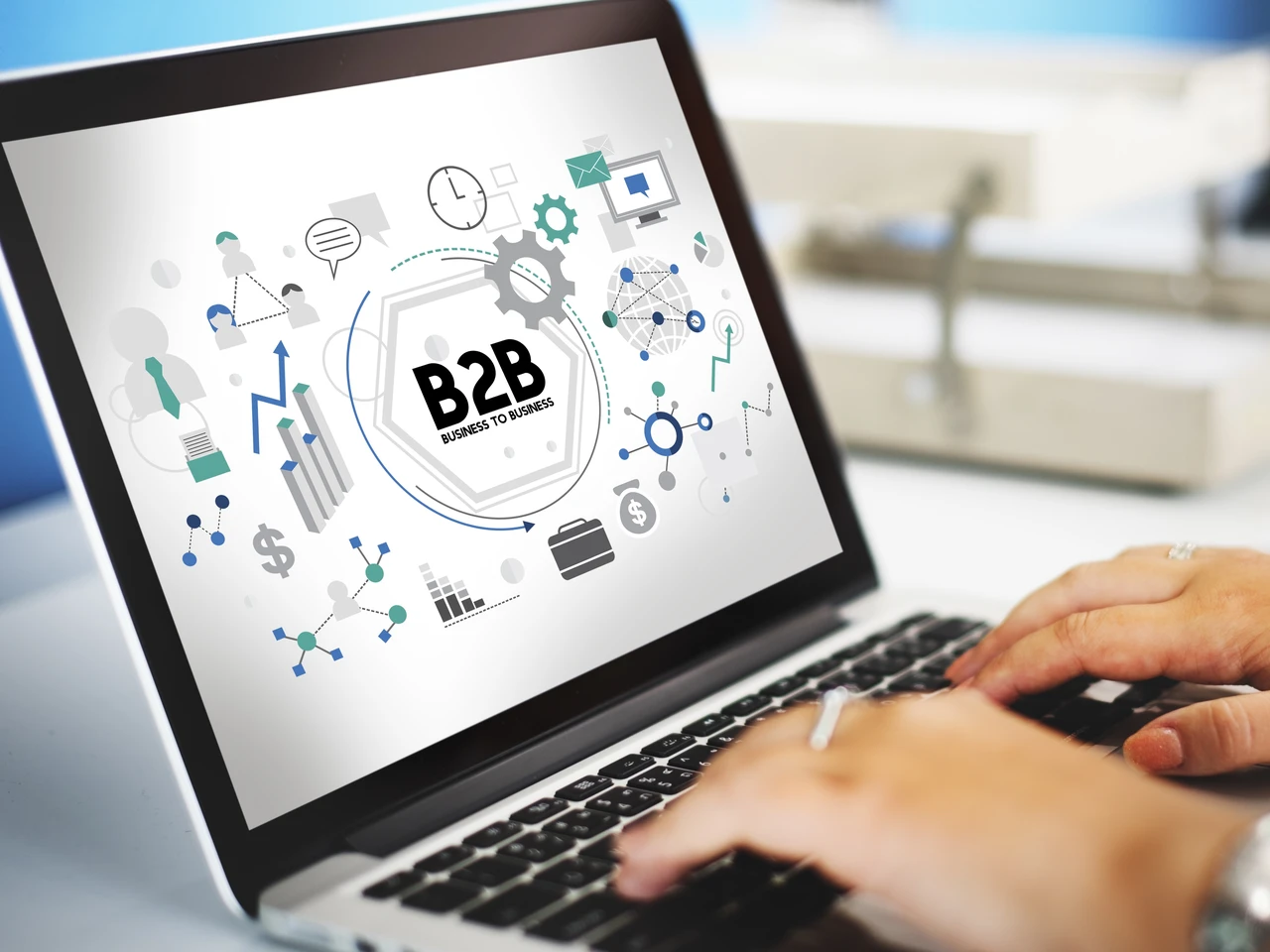
A B2B conversion funnel is a structured pathway that guides business prospects from initial awareness to becoming paying customers. Unlike B2C funnels, which typically focus on quicker, more emotional purchases, the B2B conversion funnel navigates longer, more complex decision-making cycles. This often involves multiple stakeholders and stages such as awareness, interest, consideration, intent, evaluation, and purchase. Each stage of the funnel is designed to nurture leads, address their unique business pain points, and ultimately drive them toward a conversion—whether that’s filling out a form, booking a demo, or signing a contract.
The B2B conversion funnel is more than just a sales process; it’s a holistic approach that combines marketing, sales, and strategic communication. Crafting an effective funnel requires a deep understanding of your buyer personas, as well as a clear website messaging framework to ensure consistency and clarity across touchpoints.
How Effective Messaging Powers the B2B Conversion Funnel
Copywriting plays a pivotal role at every stage of the B2B conversion funnel. Strategic messaging—anchored by proven homepage copy formulas and tailored landing page copy examples—can dramatically boost engagement and conversions. At the top of the funnel, messaging should capture attention and clearly articulate your value proposition. As prospects progress, copy must address objections, offer social proof, and guide users toward the next step with persuasive calls to action.
Objection handling copy is particularly crucial in B2B, where prospects may have significant concerns about ROI, integration, or stakeholder buy-in. By anticipating and addressing these objections within your funnel content, you can build trust and reduce friction on the path to conversion. For more insights into aligning messaging with your funnel, explore our guide to B2B website strategy.
Key Metrics for Optimizing Your B2B Conversion Funnel
Measuring the effectiveness of your B2B conversion funnel hinges on tracking the right metrics at each stage. Common metrics include lead-to-MQL (Marketing Qualified Lead) conversion rate, sales-qualified lead progression, average deal size, and funnel velocity. Monitoring these indicators helps you pinpoint bottlenecks and understand where prospects are dropping off, so you can optimize messaging and user experience.
In addition to quantitative metrics, qualitative data—such as feedback on landing page copy or common objections raised during sales calls—can highlight opportunities to refine your website messaging framework or objection handling copy. By combining data-driven insights with user-centric copy improvements, you ensure your funnel evolves to match the changing needs and expectations of your B2B audience.
Why B2B Conversion Funnel Optimization Matters
Optimizing your B2B conversion funnel is essential for maximizing ROI and driving sustainable business growth. A well-crafted funnel not only increases lead quality and sales conversion rates but also enhances the overall customer experience. Effective funnel strategies ensure that your messaging resonates with decision-makers, overcomes objections, and ultimately accelerates the sales cycle.
Furthermore, funnel optimization allows you to align marketing and sales efforts, ensuring a seamless journey from the first touchpoint to closed deal. Whether you’re refining your homepage copy formula, experimenting with landing page copy examples, or perfecting your objection handling copy, continuous improvement is key to staying competitive in the B2B landscape.
How to Choose the Right B2B Conversion Funnel Strategies for Your Business
Choosing the right strategies to optimize your B2B conversion funnel can feel overwhelming. With so many options, how do you know where to focus your efforts for maximum impact? The key is to align your chosen strategies with your specific business goals, target audience, and current funnel performance. Start by honestly assessing your existing funnel: Where are the biggest drop-off points? What are the most common objections you hear from prospects?
From there, prioritize strategies that directly address these pain points. For example, if you’re struggling to convert website visitors into leads, improving your homepage copy formula and value proposition clarity should be a top priority. If you’re seeing high abandonment rates on your pricing page, focus on objection handling copy and showcasing clear ROI. Remember that a website messaging framework is not a one-time project, but an ongoing process of testing, measuring, and refining based on real-world results. Consider the resources and expertise you have available, and don’t be afraid to start small and scale up as you see success.

Lead With Strategy, Not Just Sentences
One of the most effective ways to optimize your B2B conversion funnel is to start every copy project with a strategic brief—before you write a single sentence. This approach, known as “Strategy Before Sentences,” ensures that your messaging is laser-focused on your desired outcome. By defining your core message, ideal audience, primary call-to-action, and likely objections up front, you create a website messaging framework that keeps your homepage copy formula and landing page copy examples on track and purpose-driven.
To implement this, begin with research on your audience and competitors. Next, draft a brief that answers: What’s the single most important thing we need to communicate? Who are we talking to? What do we want them to do? What objections might they have? Use this brief as your north star for every headline, section, and CTA—ensuring your copy never drifts off-message. This method is especially valuable for B2B teams launching new products, updating their homepage, or building high-converting landing pages.
If you’re looking to elevate your content strategy, consider leveraging professional SEO copywriting services to ensure your messaging not only resonates but also ranks.
The payoff? Sharper messaging, higher engagement, and a smoother B2B conversion funnel. For example, Clean Copy Studio used this strategy to overhaul a SaaS homepage, resulting in a 30% lift in demo requests by aligning every word with customer priorities and objections.
Pro Tip:
- Revisit your brief before each revision to keep your copy aligned.
- Use anticipated objections from your brief to craft targeted objection handling copy in key sections.

Prioritize Deep Research Before Writing Any Copy
Before crafting a single word for your B2B conversion funnel, invest time in thorough research. This means diving deep into understanding your target audience, your offer, and your competitors. Audience research involves reading customer reviews, monitoring social media conversations, and conducting interviews to uncover real pain points, motivations, and the exact language your prospects use. Offer research clarifies what makes your solution unique and the transformation it promises. Competitive research helps you spot messaging gaps and opportunities to differentiate.
To implement this, start by gathering qualitative data from customer feedback and interviews. Next, analyze competitor websites to see how their homepage copy formula or landing page copy examples address customer needs and objections. Finally, synthesize your findings into a website messaging framework that guides every headline, value proposition, and objection handling copy you write.
This strategy is essential for B2B marketers, founders, and copywriters who want to build high-converting funnels rooted in real customer insights. The payoff? Sharper messaging, higher engagement, and a conversion funnel that speaks directly to what your buyers care about most.
Pro Tip:
- Build a swipe file of standout landing page copy examples from competitors and industry leaders.
- Use customer quotes in your copy for authenticity and resonance.

Master Your Buyer Personas for Laser-Focused Funnel Optimization
A deep understanding of your target audience and buyer personas is the backbone of a high-performing B2B conversion funnel. This strategy goes far beyond basic demographics—it’s about analyzing customer data, uncovering real pain points, and segmenting your audience into meaningful groups. With detailed buyer personas, you can tailor your website messaging framework, homepage copy formula, and landing page copy examples to resonate with each segment’s unique motivations and challenges.
To implement this, start by gathering qualitative and quantitative data from customer interviews, surveys, website analytics, and sales feedback. Identify common objections, decision triggers, and content preferences. Next, segment your audience into personas based on roles, industries, goals, and barriers. Craft messaging and objection handling copy that directly addresses each persona’s specific needs at every stage of the B2B conversion funnel.
This approach is essential for B2B marketers, sales teams, and content strategists aiming to boost engagement and conversion rates. Companies like Omnibound have shown that persona-driven messaging can increase qualified leads and shorten sales cycles.
Pro Tip:
- Regularly update your buyer personas as your market evolves.
- Test different homepage copy formulas for each persona to see which messaging drives the most conversions.
- Use persona insights to inform not just copy, but your entire funnel strategy—from awareness to decision.

Turn Features Into Irresistible Benefits
One of the most effective ways to optimize your B2B conversion funnel is by transforming product features into compelling benefits. Instead of simply listing what your solution does, this approach focuses on what those features actually mean for your target audience—how they solve real problems, save time, reduce risk, or drive growth. By directly answering the “what’s in it for me?” question, your website messaging framework becomes more persuasive and emotionally resonant, making your offer feel like a must-have solution.
To implement this strategy, start by listing out your product’s core features. For each feature, ask yourself: “Why does this matter to my customer?” and “How does this improve their business or daily life?” Then, rewrite your homepage copy formula or landing page copy examples to highlight these benefits front and center. For instance, instead of “Automated reporting tools,” try “Spend less time on manual reports and get actionable insights instantly.” This method is especially powerful for SaaS companies, B2B service providers, and anyone selling complex solutions where value isn’t immediately obvious.
The payoff? Higher engagement, fewer objections, and a smoother path through your B2B conversion funnel. A great real-world example: Slack’s homepage doesn’t just say “Channels for messaging”—it promises “Faster, more organized team communication.” That subtle shift drives desire and action.
Pro Tip:
- Use objection handling copy to preemptively address doubts by tying benefits to common pain points.
- Test different benefit-driven headlines above the fold to see which resonates most with your audience.

Consistent Value Proposition Across Every Channel
A clear, compelling value proposition is the backbone of any successful B2B conversion funnel. This strategy focuses on articulating your unique benefits and outcomes in a way that’s both persuasive and consistent—no matter where prospects encounter your brand. By aligning your website messaging framework, homepage copy formula, and sales collateral, you ensure that your message resonates at every stage of the buyer’s journey.
To implement this, start by defining your core value proposition: What specific problem do you solve, and why are you the best choice? Next, adapt this message for each channel—website, email, social media, landing pages—while keeping the core promise unchanged. Use proven landing page copy examples and objection handling copy to address common concerns and reinforce trust. This approach is ideal for marketing teams, sales enablement, and founders looking to unify their brand voice and boost conversions. If you need expert help, consider working with message-market fit agencies that specialize in crafting and aligning value propositions across channels.
The payoff? Prospects get a seamless, trustworthy experience, leading to higher engagement and a smoother path through your B2B conversion funnel. For instance, Omnibound’s case study shows that companies who standardized their messaging across channels saw a measurable lift in both lead quality and close rates.
Pro Tip:
- Audit your current assets to spot inconsistencies in messaging.
- Test your value proposition with real customers for clarity and impact.
- Train your team to use the same language in sales calls, presentations, and follow-ups.

Start with Outcomes, Not Features
One of the most effective ways to boost your B2B conversion funnel is to lead with outcomes in your messaging. Instead of opening with a laundry list of features or technical specs, focus on what your solution actually helps customers achieve. This approach answers the critical “What’s in it for me?” question that every prospect has, making your value proposition instantly clear and compelling.
To implement this, begin by mapping out your ideal customer’s goals, pain points, and desired end results. Use a website messaging framework that puts these outcomes front and center on your homepage and key landing pages. For example, instead of saying “Advanced analytics dashboard,” try “Spot growth opportunities in seconds with real-time insights.” Review top-performing landing page copy examples in your industry for inspiration, and test different outcome-driven headlines to see what resonates.
This strategy is especially powerful for SaaS, B2B services, and any solution where buyers need to justify ROI. By shifting your homepage copy formula to focus on outcomes, you’ll see higher engagement, more demo requests, and a smoother path through your B2B conversion funnel.
Pro Tip:
- Use customer testimonials that highlight specific results (“Cut onboarding time by 50%”) to reinforce your outcome-driven messaging.
- Address objections proactively with objection handling copy that ties back to the promised outcomes.

Use Specificity to Build Trust and Paint Vivid Mental Pictures
Generic promises like “boost your sales” or “save time” just don’t cut it in today’s B2B conversion funnel. Instead, specificity is your secret weapon. By using precise numbers, clear timeframes, and detailed descriptions, you not only make your claims more believable but also help prospects visualize the real impact your solution can have. This approach is central to a strong website messaging framework and is a hallmark of high-performing homepage copy formulas often seen from top website copywriting agencies.
To implement this, start by swapping vague statements for concrete details. For example, instead of “increase productivity,” try “cut onboarding time by 37% in just 14 days.” Use real landing page copy examples or case studies to showcase results—like “Acme Corp reduced support tickets by 42% after switching to our platform.” This strategy is especially effective for B2B marketers, SaaS companies, and service providers who need to overcome skepticism and handle objections with credible, objection handling copy.
The result? Your prospects trust you more and can clearly picture themselves achieving similar outcomes, which moves them further down the B2B conversion funnel.
Pro Tip:
- Audit your copy for generic claims and replace them with specific data or stories.
- Use customer testimonials with quantifiable results to add extra credibility.
- Incorporate vivid, outcome-focused language in your headlines and CTAs for maximum impact.

Boost Conversions with Proven CTA Copywriting Templates
Optimizing your Call to Action (CTA) copy is a game-changer for the B2B conversion funnel. CTAs are the final nudge that turns visitors into leads or customers, making them a crucial touchpoint in your website messaging framework. Using proven CTA copywriting templates ensures your prompts are clear, persuasive, and action-oriented—whether you want users to download a whitepaper, book a demo, or start a free trial.
To implement this strategy, start by analyzing your current CTAs across key pages, like your homepage and landing pages. Identify weak spots where engagement drops, then apply high-performing CTA formulas such as “Get Your Free Demo,” “See It In Action,” or “Start Saving Today.” Test different versions using A/B testing to see which copy resonates best with your audience. Pair your CTAs with strong objection handling copy to address common hesitations and boost confidence in taking the next step.
This approach is ideal for B2B marketers, SaaS companies, and anyone looking to optimize their website’s conversion points. The expected outcome? Higher click-through rates, more qualified leads, and a smoother journey through your B2B conversion funnel. For example, OptinMonster increased signups by 21% simply by switching to a more benefit-driven CTA template.
Pro Tip:
- Use action verbs and highlight immediate value in your CTA.
- Align your CTA with your homepage copy formula for a seamless user experience.
- Review landing page copy examples from top-performing competitors for inspiration.
Conclusion
Optimizing your B2B conversion funnel is an ongoing process that demands a deep understanding of your audience, a compelling value proposition, and strategic messaging across all channels. By prioritizing research, leading with outcomes, and building credibility through specificity, you can transform your funnel into a powerful engine for lead generation and revenue growth. Mastering objection handling copy and refining your website messaging framework are essential for guiding prospects through each stage of the buyer’s journey.
As the B2B landscape evolves, personalization and data-driven insights will become even more critical for conversion funnel optimization. Businesses that leverage AI and machine learning to tailor messaging and experiences will gain a significant competitive advantage. If your funnel’s biggest gap is volume rather than messaging, partnering with a lead generation agency can help fill the top of the funnel while you refine the copy. To delve deeper into strategies that drive B2B success, explore Full-service digital marketing agency and discover how to elevate your marketing efforts.
Note: This blog’s images are sourced from Freepik.