
Tired of watching promising B2B deals stall—or slip away entirely—because your buyers just can’t seem to move forward? In today’s complex landscape, traditional sales tactics alone aren’t enough. The real differentiator is how well you empower buyers with the right resources, clarity, and confidence at every stage of the journey. With the right buyer enablement strategies, you don’t just reduce sales cycle length—you actively accelerate decisions, boost B2B conversion rates, and close deals faster.
As buyer expectations evolve, mastering B2B buyer enablement is now critical for sales teams looking to outperform. Understanding the difference between B2B sales enablement vs buyer enablement, optimizing the buyer journey, and leveraging proven enterprise sales enablement tactics can transform your approach—and your results.
That’s why we’ve done the research and curated eight buyer enablement strategies that stand out for real-world impact and innovation. Each strategy was selected for its ability to drive faster deals, empower internal champions, and fit seamlessly into modern B2B workflows. Ready to optimize your process? Let’s dive in.
What Are Buyer Enablement Strategies?
Buyer enablement strategies are a set of practices, resources, and tools designed to empower buyers throughout their purchasing journey. Unlike traditional B2B sales enablement—which focuses on equipping sellers with the information and training they need to sell more effectively—buyer enablement shifts the focus to the buyer’s side of the table. It’s about simplifying the buying process, reducing friction, and addressing common obstacles such as uncertainty, risk, and the challenge of achieving internal consensus. In essence, these strategies help buyers make informed, confident decisions faster, directly contributing to shorter sales cycles and improved conversion rates.
Why Buyer Enablement Strategies Are Essential in B2B Sales
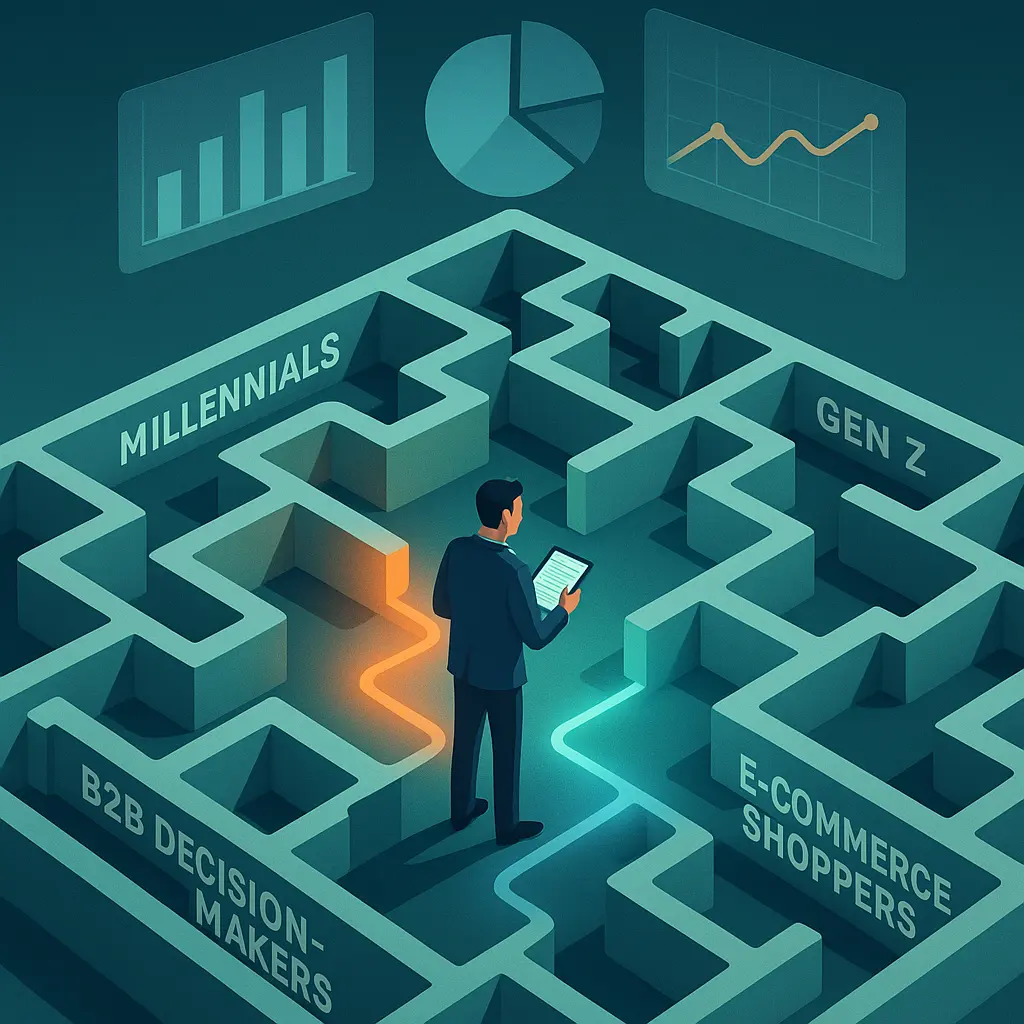
In today’s complex B2B landscape, buyers are inundated with information, options, and internal stakeholders—all of which can slow down or stall the decision-making process. Deals rarely stall because of a lack of persuasion; rather, they get stuck due to confusion, risk aversion, or lack of internal alignment. Buyer enablement strategies are crucial because they provide clarity, build trust, and streamline the path to purchase. By focusing on buyer journey optimization and addressing specific pain points, organizations can reduce sales cycle length and close deals faster. This approach is particularly vital for enterprise sales enablement tactics, where multiple decision-makers and layers of approval are the norm.
Key Elements of Effective Buyer Enablement Strategies
Successful buyer enablement strategies typically include custom content, interactive tools, and collaborative resources tailored to different stages of the buyer journey. Examples include ROI calculators, peer review libraries, and internal decision-making templates that help buyers justify purchases to their stakeholders. Automating responses, offering contextual messaging, and leveraging account intelligence enable personalization at scale, which are proven B2B conversion strategies. By proactively supporting buyers with the right information at the right time, organizations can eliminate uncertainty and facilitate smoother buying experiences.
How Buyer Enablement Differs from Traditional Sales Enablement
While B2B sales enablement equips sellers to pitch more effectively, buyer enablement strategies are about making the buyer’s tasks easier. This distinction is critical—modern B2B buyers expect more than just persuasive sales pitches; they want actionable resources that help them navigate their internal processes, evaluate solutions objectively, and secure buy-in from colleagues. By framing the sales process as “buying process as a service,” organizations position themselves as true partners in the buyer’s success, rather than just vendors. This not only helps to close deals faster but also builds long-term trust and loyalty.
For more on optimizing your B2B approach, see our guide on B2B website strategy.
How to Choose the Right Buyer Enablement Strategies for Your Business
Choosing the right buyer enablement strategies can feel overwhelming, especially when so much is at stake. You need tactics that not only resonate with your B2B buyers but also integrate seamlessly into your existing sales process and tech stack. Before diving in, take a step back and really assess your current situation.
Start by honestly evaluating your existing sales process. Where are the bottlenecks? What are the common objections you hear? Where do deals typically stall? Understanding these pain points will help you prioritize strategies that address your most pressing needs. For example, if internal alignment is a challenge, focus on strategies that equip internal champions with compelling business cases and tailored materials.
Next, consider your target audience. What are their unique needs, pain points, and decision-making processes? Are you primarily targeting enterprise clients with complex buying committees or smaller businesses with more streamlined processes? Tailor your buyer enablement strategies to match their specific requirements. Finally, think about how each strategy aligns with your overall business goals. Are you primarily focused on reducing sales cycle length, increasing B2B conversion rates, or improving customer satisfaction? Choose strategies that directly contribute to these objectives and that you can realistically implement and measure. Remember, successful B2B buyer enablement is about empowering your buyers, not just enabling your sales team.

Accelerate Sales with the DEEP-C™ Buyer Enablement Framework
The DEEP-C™ Buyer Enablement Framework is a proven, structured approach to empowering buyers and reducing sales cycle length in complex B2B environments. Unlike traditional B2B sales enablement, which focuses on equipping sellers, DEEP-C™ shifts the focus to enabling buyers themselves. The framework guides sellers through five key steps: Discovering champions and stakeholders, Engaging them early, Equipping internal champions with tailored selling tools, Personalizing those resources for each decision-maker, and Coaching champions to confidently advocate for your solution within their organization. This proactive involvement streamlines the buyer journey and helps close deals faster by addressing stakeholder concerns before they become roadblocks.
To implement DEEP-C™, start by mapping out all stakeholders and identifying internal champions. Engage these champions with relevant, easy-to-share content. Next, equip them with customized resources—think ROI calculators, case studies, or objection-handling guides—personalized to each stakeholder’s priorities. Finally, coach your champions through regular check-ins, ensuring they’re prepared to drive consensus and follow through on commitments. This approach is especially effective for enterprise sales enablement tactics and B2B buyer enablement in multi-stakeholder deals.
Teams that adopt DEEP-C™ see improved buyer journey optimization, smoother internal alignment, and higher B2B conversion rates.
Pro Tip:
- Regularly update your enablement materials to reflect stakeholder feedback and market changes.
- Use digital tools to track stakeholder engagement and identify gaps in the buying committee’s alignment.

Equip Internal Champions with Tailored Sales Materials
One of the most impactful buyer enablement strategies is creating custom materials for your customer’s internal champions. In B2B sales, the real decision often happens behind closed doors—when your contact must convince a broader buying committee. By proactively providing tailored decks, ROI calculators, objection-handling guides, and FAQs, you empower your champion to advocate for your solution with confidence and clarity. This approach bridges the gap between traditional B2B sales enablement vs buyer enablement, focusing on the buyer’s internal journey rather than just arming your own reps.
To implement this, start by identifying your internal champion and understanding their company’s decision-making process. Ask what objections or questions they anticipate from stakeholders. Then, co-create resources that address those specific needs—think custom presentations, business case templates, or one-pagers highlighting key differentiators. This strategy is especially effective for enterprise sales enablement tactics, where deals are complex and committees are large.
The result? You reduce sales cycle length and boost B2B conversion strategies by making it easier for buyers to secure internal buy-in. For a deeper dive into this approach, check out this guide on transforming your sales approach with buyer enablement.
Pro Tip:
- Ask champions which decision-makers need the most convincing, and tailor materials for those personas.
- Include concise, data-driven visuals to make your champion’s pitch more persuasive.
- Regularly update your templates based on feedback from closed-won and closed-lost deals.

Create Crystal-Clear Business Cases with Fast ROI
In today’s climate of tight budgets and greater CFO scrutiny, building a super clear business case that promises quick ROI is one of the most effective buyer enablement strategies. B2B buyers now expect vendors to prove exactly how a solution will deliver measurable value—often within six months or less. By presenting a compelling, numbers-driven business case, you not only address your buyer’s financial concerns but also help reduce sales cycle length and move deals through internal approvals faster.
To implement this, start by deeply understanding your buyer’s pain points and financial goals. Collaborate with your champion to gather relevant data, then map your solution’s impact to specific business outcomes. Use simple, visual ROI calculators and case studies to show projected gains. Package this into a concise, CFO-ready document that highlights time-to-value and clear next steps. This approach is especially powerful for B2B sales enablement teams selling to enterprise buyers or any organization facing budget scrutiny.
The benefits are clear: buyers gain confidence in your offering, internal stakeholders get the proof they need, and you help optimize the buyer journey for faster decisions. For example, Flowla reports that deals supported by tailored ROI business cases are far more likely to close quickly, especially in complex B2B environments.
Pro Tip:
- Use real customer data or industry benchmarks to back up your ROI claims.
- Keep your business case brief—aim for clarity over complexity.
- Involve your champion early so the case aligns with their internal approval process.

Reframe Sales as 'Buying Process as a Service'
Reframing sales as “Buying Process as a Service” is a transformative buyer enablement strategy that shifts your focus from pushing your agenda to truly enabling the buyer’s journey. Instead of following a rigid sales process, your team acts as a consultant—helping buyers navigate their internal approval workflows, address objections, and gather the information they need to make confident decisions. This approach is especially effective in B2B sales enablement, where complex buying committees and lengthy procurement processes can stall deals.
To implement this strategy, start by mapping the typical buyer journey for your target customers. Identify common bottlenecks—such as legal reviews, stakeholder buy-in, or technical evaluations. Next, proactively provide resources, templates, and expert guidance at each stage. For example, offer checklists for internal presentations or facilitate workshops with key decision-makers. Sales teams should regularly ask, “What’s blocking your progress?” and tailor their support accordingly.
This method is ideal for enterprise sales enablement teams and any B2B organization aiming to reduce sales cycle length and increase conversion rates. By aligning with how buyers want to buy, you’ll foster trust, accelerate deal velocity, and stand out from competitors still stuck in traditional sales motions. For a deeper dive into this approach, check out Sell Me This Pen’s guide to buyer enablement transformation.
Pro Tip:
- Build a library of buyer-facing resources (ROI calculators, internal pitch decks, FAQ docs) to streamline each step of the process.
- Regularly gather feedback from recent buyers to refine your enablement tactics and optimize the buyer journey.

Map and Support Every Stage of the Buyer Journey
One of the most effective buyer enablement strategies is to deeply understand and actively support your prospect’s entire buying journey—not just the moment of purchase. Instead of focusing solely on closing the deal, this approach guides sales reps to become trusted advisors, offering relevant resources and support at each of the five key stages: Awareness & Interest, Consideration & Evaluation, Negotiation & Purchase, Retention, and Advocacy. This holistic view helps anticipate buyer questions, reduce friction, and optimize the buyer journey, ultimately leading to faster deal closures and stronger long-term relationships.
To implement this strategy, start by mapping out your typical buyer journey and identifying the unique needs and concerns at each stage. Next, equip your sales team with tailored content, training, and tools designed for every phase—think educational materials for early awareness, detailed comparisons for evaluation, and onboarding guides for retention. Regularly update these resources based on feedback and evolving buyer behavior. This approach is especially powerful for B2B sales enablement and enterprise sales enablement tactics, where complex buying committees and longer sales cycles are common.
Organizations that prioritize buyer journey optimization often see a measurable reduction in sales cycle length and higher B2B conversion rates. For example, companies highlighted by Saleo have streamlined their sales processes by aligning enablement content to specific buyer stages, resulting in smoother handoffs and more confident purchasing decisions. See more on best sales enablement ideas.
Pro Tip:
- Regularly interview recent buyers to uncover hidden friction points in your process.
- Use CRM tools to track buyer stage progression and trigger timely, stage-specific outreach.
- Train your sales team on the difference between B2B sales enablement vs buyer enablement—focus on helping, not just selling.

Accelerate Buyer Engagement with Automated, Contextual Messaging
Leveraging automation for faster response times and contextual messaging is a game-changer in modern buyer enablement strategies. By integrating tools like Slack and Chili Piper, sales teams can instantly connect with leads the moment they express interest—often before competitors even notice. This approach is vital for B2B buyer enablement, as it ensures prospects receive timely, relevant information that matches their stage in the buyer journey, dramatically reducing sales cycle length.
To implement this strategy, start by syncing your CRM and lead capture forms with automation platforms. Set up triggers that notify your team in real time (via Slack, for example) when a high-intent lead engages. Use scheduling tools like Chili Piper to offer instant meeting booking, and personalize follow-up messages based on the lead’s activity and profile. This seamless, context-driven outreach not only improves response rates but also optimizes the buyer journey for higher conversions.
This strategy is particularly effective for B2B sales teams handling high-value or enterprise sales, where speed and relevance are critical. Companies like G2 have demonstrated the power of automated engagement, using these tools to boost sales productivity and win deals faster. For more on how automation can transform sales engagement, see G2’s sales engagement success story.
Pro Tip:
- Regularly audit your automated messages to ensure they remain personalized and relevant.
- Integrate your automation tools with analytics to track response times and conversion rates, refining your approach for continuous improvement.

Harness Customer Reviews and Social Proof
Leveraging customer reviews and social proof is one of the most effective buyer enablement strategies for accelerating the B2B sales process. Modern buyers, especially in enterprise sales, turn to third-party platforms like G2 for unbiased feedback before making purchase decisions. A robust presence on these review sites not only boosts your brand’s visibility but also validates your solution’s credibility—helping you stand out in a crowded market and reduce sales cycle length.
To implement this strategy, start by actively encouraging satisfied customers to leave detailed reviews on platforms such as G2. Make the process easy by sending follow-up emails post-purchase, offering incentives, or guiding them through the review submission. Regularly monitor and respond to reviews to show engagement and address concerns. Marketing and sales teams should also highlight positive reviews and ratings in sales collateral, presentations, and during buyer conversations to reinforce trust.
This approach is ideal for B2B organizations looking to optimize the buyer journey and close deals faster, particularly in competitive or high-consideration markets. Companies like G2 have demonstrated that a strong review presence can significantly increase sales engagement and conversion rates. By integrating social proof into your B2B sales enablement tactics, you empower buyers with the confidence to move forward—making it a key differentiator in B2B buyer enablement vs traditional sales enablement.
Pro Tip:
- Feature top-rated reviews and customer testimonials in your sales decks and website.
- Regularly update your review profiles to ensure accuracy and relevance.
- Use negative feedback constructively to improve your offering and demonstrate transparency to prospects.

Leverage Account Intelligence for Hyper-Personalized, Automated Outreach
Integrating account intelligence—such as G2 Buyer Intent data—directly into your CRM is a game-changer for buyer enablement strategies. This approach empowers sales teams to identify prospects who are already deep in the buyer journey or evaluating competitors, allowing for highly targeted, timely engagement. By layering intent data with CRM insights, you can automate personalized outreach that speaks directly to a prospect’s needs and stage, helping reduce sales cycle length and boost B2B conversion rates.
To implement this, start by connecting your G2 Buyer Intent data feed to your CRM platform. Next, set up workflows that trigger personalized emails or tasks based on specific buyer behaviors—such as visiting your G2 profile or comparing you with competitors. Train your sales team to interpret these signals and tailor their messaging accordingly. This B2B buyer enablement tactic is ideal for enterprise sales teams and organizations aiming to optimize the buyer journey and accelerate deal velocity.
The results speak for themselves: companies using G2 for sales engagement report faster deal cycles and improved win rates thanks to timely, relevant outreach that meets buyers where they are.
Pro Tip:
- Regularly review and refine your intent data triggers to ensure outreach remains relevant.
- Combine account intelligence with other B2B sales enablement tools for a holistic approach to buyer journey optimization.
Conclusion
Implementing effective buyer enablement strategies is essential for businesses aiming to thrive in today’s competitive B2B landscape. By prioritizing the buyer’s journey and providing the right resources at the right time, companies can significantly improve B2B conversion strategies and reduce sales cycle length. Embracing these approaches not only facilitates smoother transactions but also fosters stronger, more trusting relationships with clients. As we move into the future, expect to see even greater emphasis on personalization, data-driven insights, and seamless integration of technology to further enhance the B2B buyer enablement experience.
Ready to take your sales process to the next level? Explore more insights and discover how a Full-service digital marketing agency can help you implement cutting-edge B2B buyer enablement solutions tailored to your specific needs.
Scopic Studios delivers exceptional and engaging content rooted in our expertise across marketing and creative services. Our team of talented writers and digital experts excel in transforming intricate concepts into captivating narratives tailored for diverse industries. We’re passionate about crafting content that not only resonates but also drives value across all digital platforms.