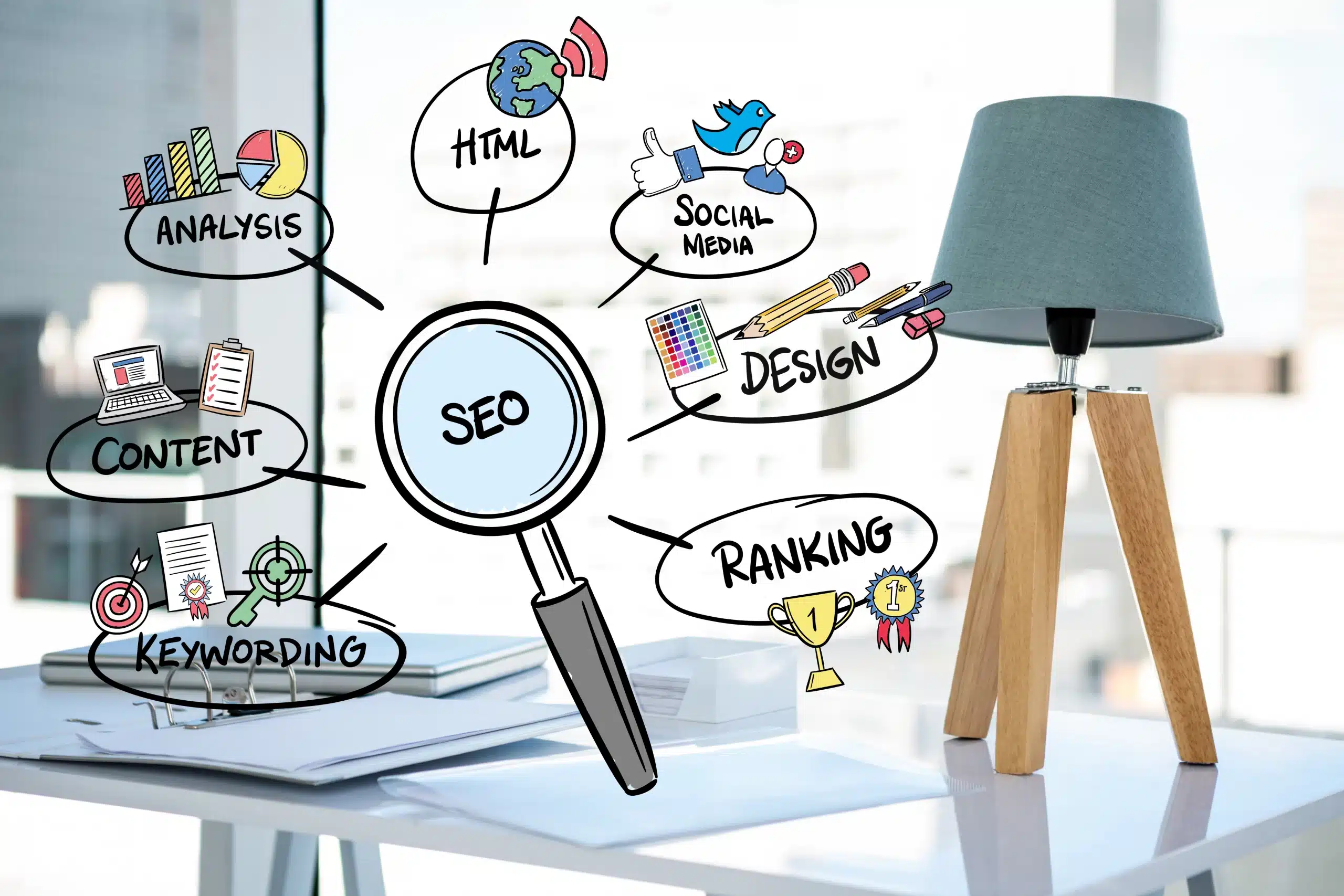

Most content teams spend months perfecting their SEO strategies, only to see their pages buried beneath AI-generated answers and knowledge panels. The truth is, traditional content structures are quickly becoming obsolete as AI search engines and large language models (LLMs) reshape how information is discovered and surfaced. If you want your content to earn visibility in AI-powered environments, mastering structured content formats for AI search is now essential.
Choosing the right AI-friendly content structure doesn’t just boost rankings—it ensures your expertise is understood, cited, and surfaced by conversational AI, GEO engines, and answer optimization algorithms. As AI SEO evolves, adopting proven content formats for AI visibility can be the difference between leading your niche and getting lost in the noise.
That’s why we’ve analyzed the latest research, real-world results, and expert insights to compile this list of the 8 best structured content formats for AI search. Each format meets strict criteria for LLM-friendly content structure, scalable implementation, and measurable impact. Ready to see what works? Let’s dive in.
What Are Structured Content Formats for AI Search?
Structured content formats for AI search refer to specific ways of organizing and formatting information so that AI-driven search engines and generative models can easily understand, extract, and present your content. Unlike traditional SEO, which focuses primarily on keywords and links, structuring content for AI revolves around making information machine-readable, contextually rich, and logically segmented. This involves using structured data (like schema markup), clear headings, concise summaries, lists, tables, and answer-focused formats.
The evolution of search technology—especially with large language models (LLMs) and answer engines—means your content’s structure is now just as important as its substance. Formats that are AI-friendly, such as FAQs, checklists, TL;DRs, and entity-based outlines, enable search engines and AI assistants to accurately interpret your content and surface it as direct answers, citations, or featured snippets.
Why Structured Content Formats Matter for AI SEO
Adopting structured content formats for AI search is crucial for maximizing your content’s visibility and authority in today’s rapidly changing digital landscape. AI-powered search systems, like Google’s SGE, Bing Chat, and various generative engines, prioritize content that is easy to parse and extract answers from. This shift means that AI answer optimization formats—such as well-structured lists, tables, and conversational Q&A blocks—can significantly increase your chances of being cited by AI tools or featured in prominent positions in search results.
Moreover, LLM-friendly content structure benefits both users and search engines by reducing ambiguity and enhancing relevance. For businesses, this approach translates into higher click-through rates, more brand citations, and improved engagement. If your strategy involves broader digital initiatives, integrating structured content with other tactics—like those found in digital marketing strategies for small businesses—can offer compounding benefits.
Key Elements of Effective Content Formatting for AI Visibility
To excel in content formatting for AI visibility, it’s essential to understand the key elements that make content truly AI-friendly. First, use clear, hierarchical headings (H1, H2, H3) and break your content into digestible sections. Incorporate schema markup and structured data to provide explicit signals about the meaning and relationships within your content. Utilizing tables, bullet points, and checklists not only improves readability for humans but also helps AI systems extract precise information efficiently.
Additionally, AI-friendly content structure should include succinct summaries (such as TL;DRs), direct answers to common questions, and explicit entity mentions relevant to your topic. Emphasizing GEO content formatting (Generative Engine Optimization) and answer engine optimization strategies ensures that your content aligns with the parsing and answer extraction preferences of modern AI-powered platforms.
How to Structure Content for AI Search: Best Practices
Structuring content for AI search goes beyond traditional SEO tactics. Start by mapping out the core topics and entities to cover, then organize your information so that each section answers a specific user intent or query. Implement schema markup to signal context, use consistent formatting for recurring elements (like FAQs or product specs), and present data in tables or bullet lists where possible.
Prioritize clarity, conciseness, and logical progression—AI models excel at parsing well-structured text but struggle with ambiguity or clutter. Consider the end-user experience as well, ensuring your content is skimmable and actionable. By following these best practices, you’ll create a foundation for enhanced AI SEO and ensure your site stands out in the era of AI-driven search results.
How to Choose the Right Structured Content Formats for Your AI SEO Strategy
Choosing the right structured content formats for AI search can feel overwhelming, but it doesn’t have to be. The key is to align your format choices with your specific goals, audience, and content type. Think about the questions your audience is asking and the kind of answers they expect. Are they looking for quick facts, step-by-step guides, or in-depth explanations? This will guide you toward formats like FAQs, checklists, or entity-based articles.
Consider your existing content and how easily it can be adapted. Implementing schema markup, adding TL;DRs, or breaking up long paragraphs are often quick wins. For new content, plan your structure upfront, thinking about how each section contributes to a cohesive, AI-friendly narrative. If you are trying to improve your GEO content formatting, make sure to use authoritative sources and cite them clearly to boost your trust signals for AI.
Remember, the best content formats for AI SEO aren’t just about pleasing algorithms—they’re about delivering value to your audience in a way that AI can understand and amplify. By focusing on clarity, relevance, and structured presentation, you’ll create content that excels in both human and AI-driven search environments. Experiment with different formats, track your results, and refine your approach to find what works best for your unique needs.

Leverage Schema Markup for Enhanced AI Search Visibility
Schema markup and structured data are foundational to creating an AI-friendly content structure. By embedding schema into your website, you provide search engines and AI systems with explicit clues about your content’s meaning, context, and relationships. This structured content format for AI search is crucial because it enables AI to quickly parse, categorize, and surface your content in relevant queries, especially as AI-generated answers and LLMs (large language models) increasingly power search results.
To implement schema markup, start by identifying the most relevant schema types for your content (e.g., Article, Product, FAQ). Use tools like Google’s Structured Data Markup Helper to generate the appropriate code, then insert it into your site’s HTML. Validate your implementation with Google’s Rich Results Test to ensure accuracy. This approach benefits content creators, e-commerce sites, publishers, and anyone aiming for higher AI SEO and visibility in rich results or AI-powered answer boxes.
A real-world example: Many publishers saw significant gains in AI-driven visibility after adopting schema for news articles and FAQs, as highlighted in Growth Rocket’s guide. Their content was more frequently cited and surfaced in AI-generated summaries, proving the tangible impact of structured data.
Pro Tip:
- Regularly update your schema as new types and properties are released to stay ahead in content formatting for AI visibility.
- Combine schema markup with clear content hierarchies (headings, lists, tables) for a truly LLM-friendly content structure.

Optimize for Answer Engines (AEO)
Answer Engine Optimization (AEO) is all about structuring your content so AI-driven platforms—like Google’s SGE and Bing Copilot—can easily find and surface it as a direct, authoritative answer. Unlike traditional SEO, where the goal is to rank in a list of links, AEO focuses on getting your content featured as the actual answer users see. This shift is crucial in today’s convenience economy, where users expect instant, trustworthy responses from AI search tools.
To implement AEO, start by identifying the core questions your audience is asking. Use tools like Google’s “People Also Ask” and competitor research to build a list. Next, structure your content with clear, concise answers—think short paragraphs, bullet points, and FAQ sections. Use schema markup to signal to AI engines that your content is answer-ready. Brands, publishers, and service providers who want to boost AI search visibility and capture high-intent traffic should prioritize this approach. The outcome: higher placement in AI-powered results and increased brand authority.
Pro Tip:
- Use question-based headings (H2/H3) and provide succinct, fact-based answers directly below.
- Regularly update your content to maintain accuracy and authority—AI engines favor the most current information.
- Implement FAQ schema to enhance your AI-friendly content structure and improve your chances of being surfaced as an answer.

Generative Engine Optimization (GEO) for AI Search
Generative Engine Optimization (GEO) is a forward-thinking strategy designed to make your content highly accessible and trustworthy for generative AI tools and large language models (LLMs) such as ChatGPT and Gemini. Unlike traditional SEO, GEO focuses on structuring content so it’s easily retrieved, synthesized, and cited by AI systems, ensuring your brand’s information is included in AI-generated answers and summaries. This is especially critical for B2B brands, where decision-makers demand both instant answers and the ability to verify information.
To implement GEO, start by breaking your content into clear, logical sections with descriptive headings and concise summaries. Use structured data markup to help AI recognize key facts, and ensure each page provides authoritative, well-cited information. Incorporate FAQs, bulleted lists, and direct answer formats—these are AI-friendly content structures that increase the likelihood of your content being used in AI responses. Regularly audit your content to align with evolving LLM-friendly content structure guidelines and keep information up to date.
GEO is ideal for brands, publishers, and organizations aiming for maximum AI visibility—especially those targeting B2B buyers or industries where trust and verification matter. By adopting GEO, you’ll improve your chances of being referenced in AI-generated content, driving both awareness and credibility. For a deeper dive, check out this guide on how to structure content for AI search discovery.
Pro Tip:
- Use authoritative sources and cite them clearly to boost your trust signals for AI.
- Regularly update your content to maintain accuracy, as LLMs prioritize fresh, reliable data.
- Structure key takeaways and answers near the top of your content for optimal AI answer optimization formats.

Optimize Content for Conversational AI Platforms
Optimizing your content for conversational AI platforms—like ChatGPT and Google Bard—means structuring your information so AI systems can easily interpret, summarize, and cite your work. This approach is crucial because conversational AIs rely on clear, logically organized content to deliver accurate, context-rich answers to users. By using an AI-friendly content structure, you increase the chances that your content will be selected as a source for AI-generated responses, driving more visibility and authority for your site.
To implement this strategy, start by breaking your content into digestible segments using descriptive headers (H2, H3), bullet points, and numbered lists. Present facts and concepts with clarity, ensuring each section logically flows into the next. Use concise language and avoid jargon when possible. Fact-check all statements to enhance credibility, as conversational AIs prefer citing reliable, well-structured sources. This method is especially effective for marketers, content strategists, and publishers aiming to boost their AI SEO and appear in AI-powered search results. For a practical guide, see this structuring content for AI-driven visibility resource.
Expect improved AI answer optimization, higher citation rates, and better overall content formatting for AI visibility. Brands like Growth Rocket have leveraged these LLM-friendly content structures to increase their content’s reach across conversational AI platforms.
Pro Tip:
- Use short paragraphs and clear subheadings to make your content easy for both users and AI to scan.
- Incorporate schema markup where possible to further enhance how AI systems interpret your content.

Leverage Checklists, Tables, and Summaries for AI Visibility
One of the most effective ways to boost your content’s AI search visibility is by using checklists, tables, and concise summaries. These structured content formats for AI search break down complex information into digestible, well-organized chunks, making it easier for AI models to extract and present accurate answers. AI-friendly content structure like this is highly favored in AI Overviews and chatbot responses, as studies show that tables and labeled lists lead to higher parsing accuracy and more reliable outputs.
To implement this strategy, start by identifying key points or processes within your content that can be distilled into a checklist or step-by-step guide. Next, use tables to compare features, summarize data, or organize facts in a way that’s easy for both users and AI to scan. Finally, add TL;DR (Too Long; Didn’t Read) boxes or summary sections at the top or bottom of your articles to provide quick takeaways. This approach is ideal for marketers, SEOs, and content creators aiming to optimize for AI answer extraction and LLM-friendly content structure.
The benefits are clear: enhanced AI SEO, improved user experience, and increased chances of your content being featured in AI-generated summaries. For a deeper dive into these formats and their impact, check out AI-friendly content formats.
Pro Tip:
- Use consistent labeling and formatting for checklists and tables to help AI recognize and reuse your content.
- Place summary boxes prominently to maximize their visibility in AI and GEO content formatting outputs.

Optimize Content with Entity-Based Structuring
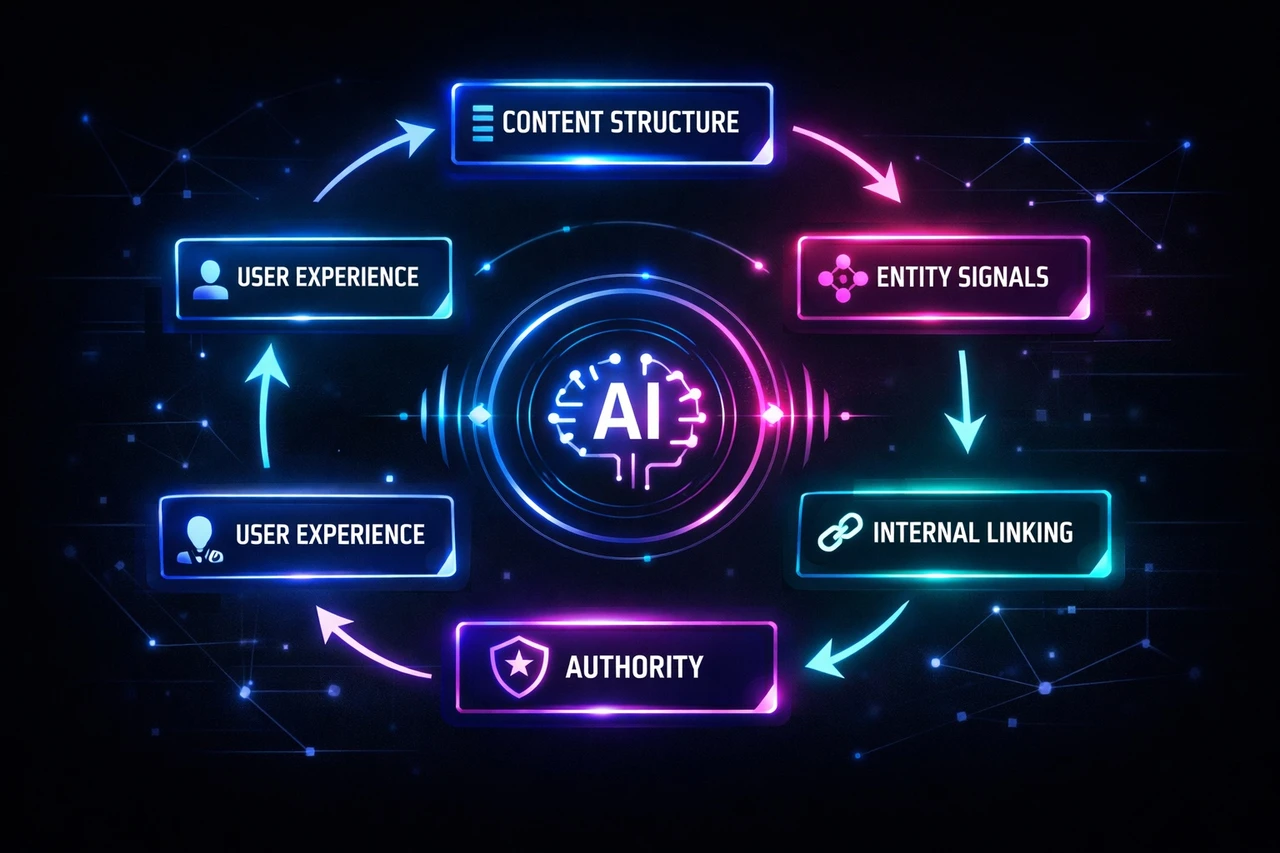
Entity-based optimization is a powerful approach for boosting AI search visibility by focusing on how content connects relevant people, places, concepts, and organizations—known as “entities.” Unlike traditional keyword stuffing, this method aligns your content with how AI systems, like Google’s Knowledge Graph or large language models (LLMs), actually interpret information. By establishing clear relationships between entities, you create an AI-friendly content structure that’s more likely to be surfaced in AI-driven search results and answer boxes.
To implement this strategy, start by identifying key entities related to your topic using tools like Google’s Knowledge Graph Search API or SEMrush’s entity analysis. Ensure consistent naming conventions throughout your content (e.g., always refer to “New York City” rather than mixing with “NYC”). Internally link to relevant pages or sections that expand on each entity, and cover related subtopics thoroughly. This LLM-friendly content structure helps AI understand the depth and context of your content, improving your chances of being selected for AI answer optimization formats.
This approach is ideal for brands, publishers, and SEOs targeting competitive niches where AI search is prominent—think healthcare, finance, travel, and education. When Growth Rocket applied entity-based structuring to a client’s site, they saw significant improvements in AI-driven visibility and richer result snippets.
Pro Tip:
- Use schema markup to further clarify entity relationships for search engines.
- Regularly audit your content to ensure internal links and entity mentions remain consistent and up-to-date.

Use TL;DRs and Section Takeaways for AI-Ready Summaries
Adding TL;DRs (Too Long; Didn’t Read summaries) and concise section takeaways is a powerful way to optimize your content for AI search visibility. By placing short, outcome-focused summaries at the beginning or end of each section, you create AI-friendly content structures that are easy for large language models (LLMs) to process and extract as direct answers. This approach is especially effective for AI answer optimization formats, as it gives search engines and AI assistants clear, standalone snippets to feature in search results or generative responses.
To implement this strategy, start by writing a 1-2 sentence TL;DR or takeaway after drafting each major section. Focus on the core outcome, fact, or actionable insight from that section. Use simple, direct language and avoid jargon. Place these summaries in clearly marked boxes or bolded text so both users and AI can easily spot them. This method is ideal for marketers, content strategists, and anyone aiming to boost content formatting for AI visibility—especially on long-form guides, how-tos, and GEO content formatting projects.
The benefits are immediate: TL;DRs improve user experience, increase scan-ability, and help your content become the preferred source for AI-powered answers. For example, Ryan Tronier’s resource highlights how structured takeaways consistently get picked up by AI assistants for featured snippets and voice search.
Pro Tip:
- Use bullet points for multi-part takeaways to make them even more LLM-friendly.
- Test your TL;DRs by asking, “Would this make sense if read aloud by an AI assistant?” If yes, you’re on the right track.

Build Authority with Content Clustering
Content clustering is a powerful approach to structuring content for AI search that goes beyond targeting individual keywords. Instead, you create a central “pillar” page covering a broad topic, then support it with multiple, tightly linked subtopic articles. This AI-friendly content structure helps search engines and large language models (LLMs) recognize your site as a comprehensive resource, boosting your topical authority and increasing your chances of being featured in AI-powered search results.
To implement content clustering, start by identifying a core topic relevant to your audience (the pillar). Next, brainstorm related subtopics and create in-depth articles for each, ensuring all subpages link back to the main pillar and to each other where relevant. Use clear, consistent internal linking and structured headings to help AI systems understand the relationships between pages. This content formatting for AI visibility is ideal for businesses, publishers, and anyone aiming to dominate a niche or answer complex user journeys.
The expected benefits? Higher rankings for competitive topics, more featured snippets, and improved user engagement as visitors find all their questions answered in one place. For a practical guide and real-world examples of content clustering in action, check out this Growth Rocket article.
Pro Tip:
- Use schema markup on your pillar and cluster pages to further enhance AI answer optimization formats.
- Regularly audit and update clusters to fill content gaps and maintain authority as topics evolve.
Conclusion
In summary, mastering structured content formats for AI search is no longer optional—it’s essential for thriving in the evolving digital landscape. By prioritizing AI-friendly content structure, you enhance your content’s visibility, authority, and relevance in AI-driven search environments. Embracing strategies such as answer engine optimization and GEO content formatting ensures your content is easily understood and favored by AI algorithms.
Looking ahead, the integration of AI in search will only deepen. Content that is well-structured, semantically rich, and optimized for conversational AI will gain a significant competitive advantage. Staying ahead means continuously adapting your content strategies to align with the latest advancements in AI search technology and LLM-friendly content structure.
Ready to elevate your AI SEO strategy? Explore the SEO services offered by our team and unlock the full potential of your content in the age of AI-powered search.
Scopic Studios delivers exceptional and engaging content rooted in our expertise across marketing and creative services. Our team of talented writers and digital experts excel in transforming intricate concepts into captivating narratives tailored for diverse industries. We’re passionate about crafting content that not only resonates but also drives value across all digital platforms.