
Understanding the Core Difference
Demand generation and demand capture are two distinct yet complementary marketing strategies that work together to create a comprehensive revenue engine. While they serve different purposes in the customer journey, understanding their unique roles is essential for building an effective marketing strategy.
Demand generation focuses on creating interest where it doesn’t yet exist. It’s a proactive, relationship-focused approach that builds trust over time with prospects who aren’t actively shopping. This strategy involves identifying pain points, providing valuable solutions, and capturing the attention of audiences unfamiliar with your brand through strategic content creation, SEO, and influencer outreach.
In contrast, demand capture is reactive by nature. It targets prospects already in the market and actively seeking solutions like yours. Rather than creating demand, this strategy focuses on intercepting high-intent buyers and ensuring your brand is found, considered, and ultimately chosen over competitors.
The Strategic Timeline and Revenue Impact
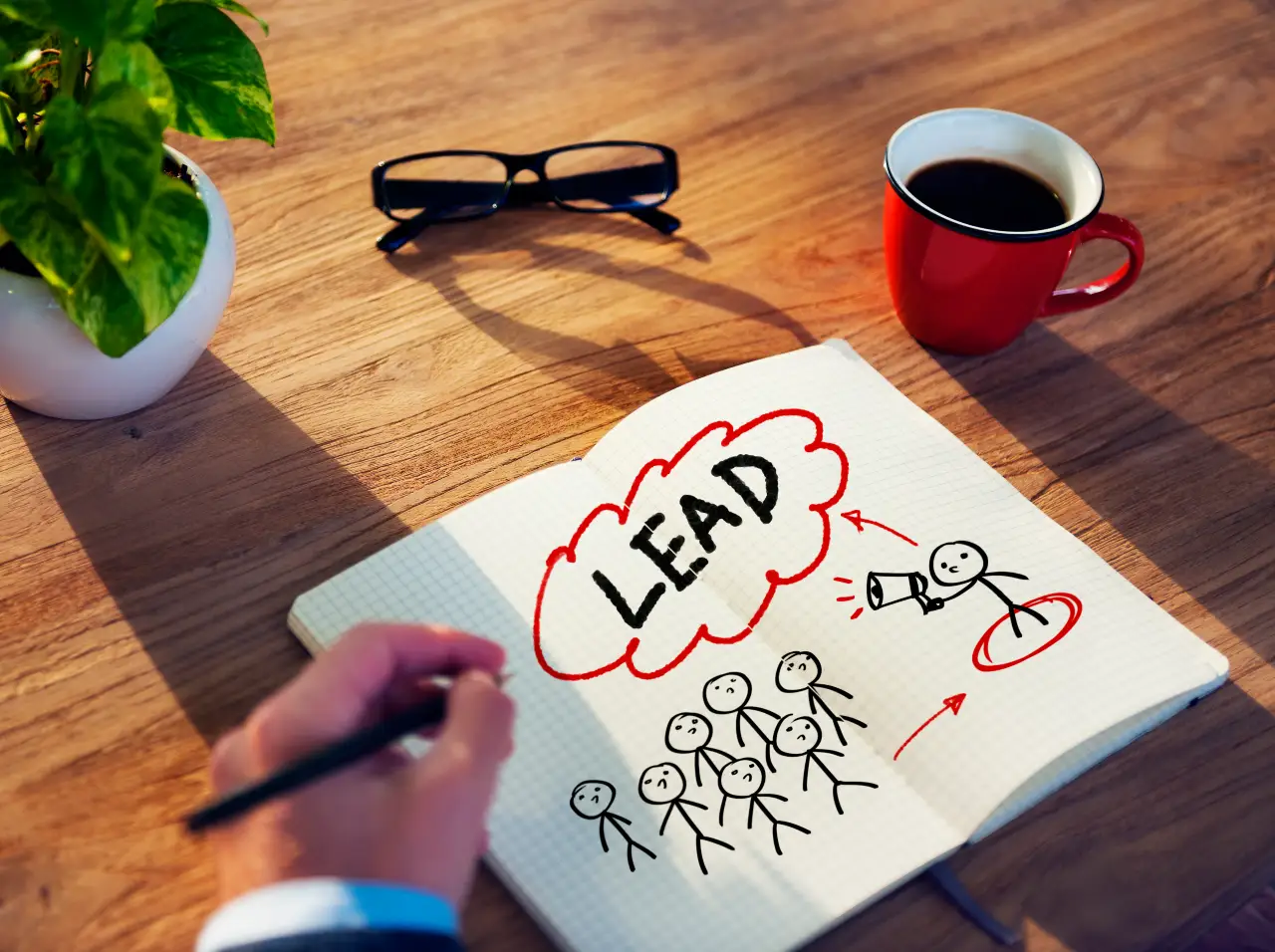
The fundamental difference between these strategies lies in their timeline and revenue impact. Demand generation is a long-term play that builds credibility and keeps your brand top-of-mind. It fills the top of the funnel with a steady flow of new leads, creating a sustainable pipeline for future growth. This approach builds the future revenue stream.
Demand capture, conversely, is a short-term revenue play. It converts high-intent prospects with shorter consideration cycles, addressing immediate sales needs. By targeting customers ready to buy, demand capture provides quicker results and funds the present. It operates at the bottom of the funnel, converting ready-to-purchase audiences into paying customers.
Why Both Matter
Treating demand generation and demand capture as interconnected parts of your revenue engine—rather than separate strategies—is crucial for measurable growth. Demand generation creates the pipeline, while demand capture ensures those leads convert into sales. Combining both provides a holistic marketing approach, engaging customers from initial interest through final purchase and maximizing marketing efficiency by balancing short-term and long-term goals.
Key Takeaway:
Demand generation and demand capture aren’t competing strategies—they’re complementary forces that together create a complete marketing engine. Success requires integrating both: use demand generation to build a sustainable pipeline of future customers, and deploy demand capture to convert high-intent prospects into immediate revenue.
Key Differences
Understanding the distinction between demand capture and demand generation is crucial for building a balanced marketing strategy. While both approaches serve different purposes in your sales funnel, they operate on fundamentally different principles and timelines.
Core Philosophy and Approach
Demand generation creates interest where none exists, targeting potential customers who may be completely unaware of your product or service. It’s about building awareness from the ground up through strategic marketing efforts that educate and engage prospects about the problems you solve.
In contrast, demand capture focuses on converting existing intent. This strategy targets prospects who are already actively seeking a solution—they know they have a problem and are actively exploring their options. Rather than creating awareness, demand capture aims to position your solution as the best choice among available alternatives.
The fundamental difference comes down to this: demand generation creates demand, while demand capture converts it.
Funnel Position and Timeline
These strategies operate at different stages of the buyer’s journey. Demand generation works at the top of the funnel, building a strong foundation of awareness and interest among broad audiences. It’s a mid- to long-term investment that requires patience and consistent effort.
Demand capture, meanwhile, operates in the middle to bottom of the funnel where prospects are ready to make decisions. It’s a short-term strategy focused on immediate conversions and revenue generation. Both are essential for sustainable pipeline growth, but they require different resource allocation and expectations.
Tactics and Tools
| Aspect | Demand Generation | Demand Capture |
|---|---|---|
| Core Goal | Build awareness and create interest | Convert high-intent prospects into customers |
| Funnel Position | Top of funnel | Middle to bottom of funnel |
| Primary Tactics | Content marketing, SEO, social media, events, webinars, brand advertising | PPC advertising, retargeting, SEM, optimized landing pages, personalized email |
| Time Horizon | Mid- to long-term | Short-term |
| Key Metrics | Website traffic, social engagement, email sign-ups, lead generation | Conversion rates, CTR, CPA, ROI, lead scoring |
| Target Audience | Unaware prospects, broad market | Active searchers, high-intent leads |
| Lead Stage Focus | Early-stage lead generation and nurturing | Lead conversion and sales optimization |
| Supporting Tools | CMS, CRM, email marketing software, social media management | Analytics platforms, CRO tools, customer journey mapping |
| Success Indicator | Increased brand reach and engagement | Revenue and sales pipeline growth |
| Strategic Nature | Proactive market building | Reactive opportunity capture |
The tactics you employ should align with your strategy. Demand generation leverages content marketing, lead nurturing, and SEO to educate audiences. Demand capture relies on search engine marketing, retargeting campaigns, and conversion rate optimization to capitalize on existing interest.
Understanding these key differences allows you to allocate your marketing budget effectively and create a comprehensive strategy that addresses both audience awareness and conversion optimization.
What is Demand Generation?
Demand generation is the strategic process of creating awareness and interest in your products or services among potential customers who may not yet know your brand exists. Rather than waiting for prospects to find you, demand generation takes a proactive approach to build visibility, establish credibility, and nurture relationships with your target audience throughout their buying journey.
At its core, demand generation focuses on identifying customer pain points and providing solutions through valuable, educational content. This approach differs fundamentally from direct selling—instead of pushing products, you’re pulling prospects toward your solution by demonstrating why they need it. The goal is to generate quality leads that align with your ideal customer profile while positioning your company as a trusted advisor in your industry.
Building Awareness Through Strategic Channels
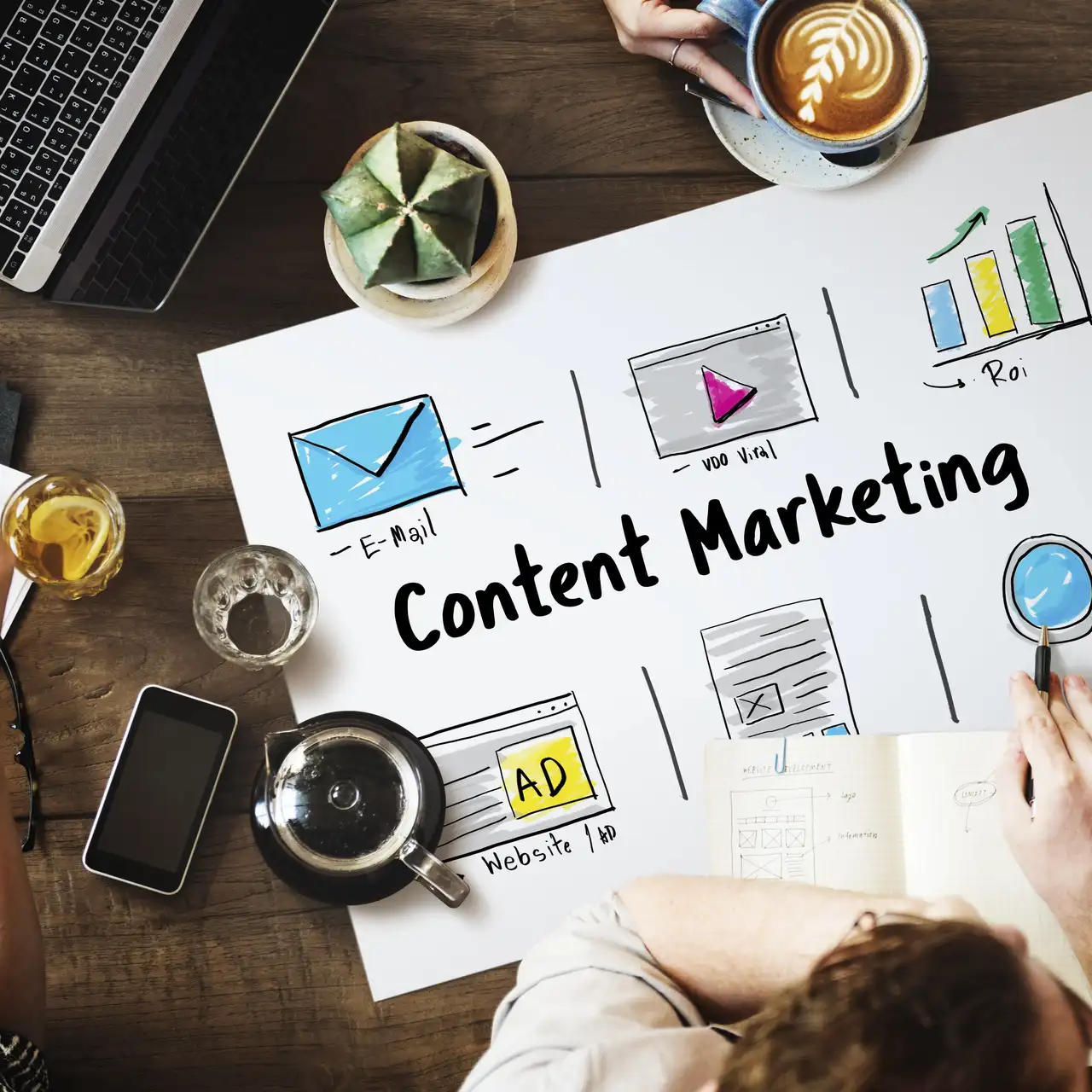
The foundation of demand generation lies in reaching audiences unfamiliar with your offerings through multiple marketing channels. Content marketing remains a cornerstone tactic, encompassing blog articles, educational videos, e-books, webinars, case studies, and infographics that educate and engage prospects.
Beyond content, demand generation leverages Search Engine Optimization (SEO) to improve your visibility in search results, attracting organic traffic from potential customers actively seeking solutions. Social media marketing, influencer outreach, email campaigns, and paid advertising expand your reach across multiple touchpoints, ensuring your message reaches the right audience at the right time.
Nurturing Leads Across the Sales Funnel
Demand generation doesn’t stop at capturing attention—it’s about nurturing that interest into genuine buying intent. Lead nurturing through personalized email campaigns, targeted social media ads, and customized content recommendations keeps prospects engaged and moving through your sales funnel.
The strategy also varies by company stage. For startups, it’s about establishing brand presence through thought leadership and networking. For scale-ups, it means accelerating growth with targeted campaigns and account-based marketing. For enterprises, it involves maintaining market dominance through strategic partnerships and multichannel marketing initiatives.
Importantly, demand generation extends beyond new customer acquisition—it also includes retaining and upselling existing customers through loyalty programs, personalized offers, and exceptional customer service.
Key Takeaway:
Demand generation is a comprehensive, long-term strategy focused on creating awareness and nurturing interest among potential customers through valuable content, SEO, and multi-channel marketing—ultimately building a sustainable pipeline of qualified leads rather than pursuing quick sales.
Demand Generation Tactics
Demand generation is fundamentally about creating interest where none previously existed. Rather than waiting for customers to come to you, this strategy actively builds awareness and positions your brand as a solution to problems your target audience may not even realize they have yet. The key is reaching audiences unfamiliar with your brand, identifying their pain points, and demonstrating how your product or service solves them.
Content Marketing & Authority Building
Content marketing remains the cornerstone of effective demand generation. This includes creating blog articles, educational videos, e-books, webinars, and case studies designed to attract and nurture potential buyers. By consistently delivering valuable information, you position your company as a trusted authority in your industry. This educational approach doesn’t just drive traffic—it builds credibility and guides prospects through their buying journey at their own pace.
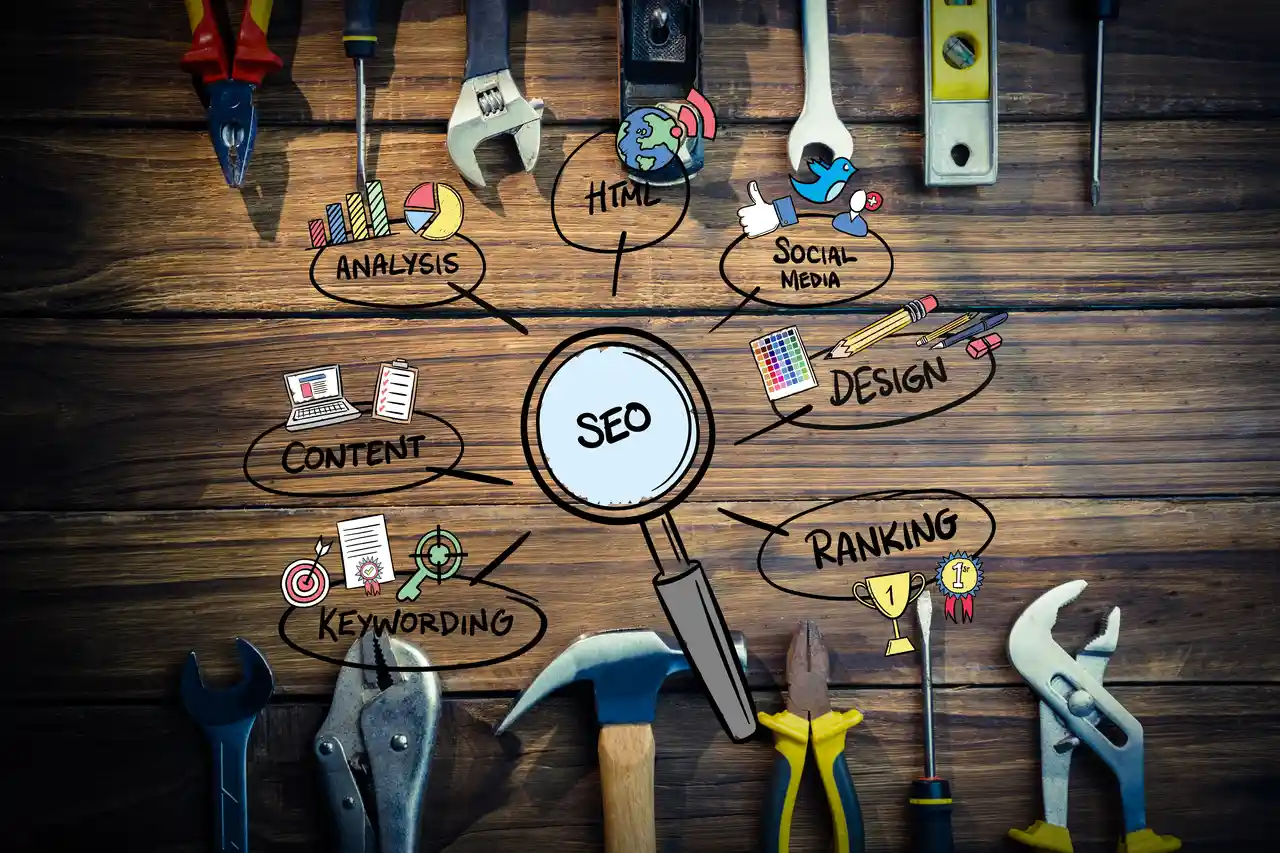
SEO optimization works hand-in-hand with content marketing, improving your visibility in search engine results and attracting customers actively searching for solutions. Strategic keyword research, on-page optimization, technical SEO, and content optimization ensure your valuable resources actually reach the people looking for them.
Multi-Channel Engagement & Lead Nurturing
Demand generation extends beyond organic search. Lead nurturing through personalized email campaigns, targeted social media advertising, and relevant content recommendations keeps prospects engaged throughout their decision-making process. Social media marketing provides broader reach, while influencer outreach leverages trusted voices to amplify your brand message.
For more sophisticated campaigns, tactics like PPC management, programmatic advertising, and geofencing advertising allow you to reach high-intent audiences with precision. These paid strategies complement organic efforts and accelerate awareness building across multiple touchpoints.
Tools & Long-Term Growth
Supporting these tactics are essential tools: Content Management Systems (CMS) for publishing, Customer Relationship Management (CRM) platforms for tracking interactions, email marketing software for nurturing, and social media management tools for coordination. Demand generation also focuses on customer retention through loyalty programs, personalized offers, and exceptional service—recognizing that keeping existing customers is as valuable as acquiring new ones.
Key Takeaway:
Demand generation is a comprehensive, multi-channel approach that combines content marketing, SEO, paid advertising, and lead nurturing to build awareness and create demand among audiences unfamiliar with your brand. Success requires consistent investment across multiple touchpoints and the right technology stack to execute and measure results effectively.
What is Demand Capture?
Understanding the Fundamentals
Demand capture is a laser-focused marketing strategy that targets customers who are already actively seeking solutions in your market. Rather than creating demand from scratch, demand capture marketing capitalizes on existing buyer intent by converting high-intent leads into paying customers. This approach integrates seamlessly with the later stages of the buyer’s journey, making it ideal for capturing prospects who are ready to make purchasing decisions with minimal friction.
The core principle is straightforward: identify prospects actively looking for what you offer, then position your solution at the right moment through targeted marketing efforts. This results-driven approach focuses on converting existing demand rather than building it from the ground up, which is why many companies view it as a faster path to revenue generation.
Demand Capture Across Different Business Stages
The tactics and intensity of demand capture vary depending on your company’s maturity. For startups, it means identifying and engaging early adopters through targeted marketing efforts via social media, SEO, and content marketing. Scale-ups shift their focus toward refining messaging, improving conversion rates, and expanding reach to maximize returns on existing demand. Enterprise companies deploy sophisticated strategies including Account-Based Marketing (ABM), personalized sales outreach, and strategic partnerships to capture high-value opportunities from large enterprises.
Key Tactics and Activities
Effective demand capture relies on a combination of proven tactics. High-intent marketing strategies include targeted paid advertising (search, display, and social media ads), optimized landing pages with strong calls-to-action, and leveraging intent data through behavioral tracking and predictive analytics. Additional activities include lead nurturing through email campaigns, Account-Based Marketing, webinars and events, and providing social proof through customer reviews and testimonials.
To maximize conversions, companies should prioritize ease of purchase through user-friendly websites and streamlined checkout processes, build trust through influencer endorsements and customer testimonials, and use precise targeting powered by intent data and paid ads like Google PPC for high-intent keywords.
Measuring Success
Success in demand capture is measured through specific metrics that reflect conversion efficiency. Track average conversion rates, return on ad spend (ROAS), return on investment (ROI), win rates, customer lifetime value (CLV), and marketing cycle length. These metrics help you understand whether your demand capture efforts are truly driving faster revenue and identify areas for optimization.
Key Takeaway:
Demand capture targets prospects already actively seeking solutions, making it a high-efficiency strategy for driving faster revenue. By combining targeted paid advertising, intent data, and conversion optimization, you can quickly convert ready-to-buy customers into revenue—particularly when supported by buyer intent data tools and account-based marketing agencies for enterprise-level execution.
Demand Capture Tactics
Understanding Demand Capture Fundamentals
Demand capture is a laser-focused marketing strategy designed to target customers who are already in the market and actively ready to buy. Rather than building awareness from scratch, demand capture capitalizes on existing demand by engaging with prospects who are actively exploring their options. The primary goal is straightforward: convert that existing intent into revenue by reaching low-friction prospects at the exact moment they’re prepared to make a purchase decision. This approach integrates seamlessly into the later stages of the buyer’s journey, allowing your sales team to focus their efforts where they matter most—on prospects with genuine buying intent.
Essential Demand Capture Tactics
The most effective demand capture strategies leverage multiple channels to intercept high-intent prospects. Search Engine Marketing (SEM) and Pay-per-Click (PPC) advertising form the backbone of demand capture, allowing you to bid on keywords that indicate active purchase intent. Retargeting campaigns keep your brand top-of-mind by reaching prospects who’ve already visited your website, while personalized email campaigns nurture those ready-to-buy prospects with targeted messaging.
Beyond paid search, display and remarketing campaigns across platforms like Facebook, Instagram, and LinkedIn extend your reach to prospects exploring their options. Conversion Rate Optimization (CRO) and A/B testing ensure that when prospects arrive at your landing pages, they convert at the highest possible rates. Additional supporting tactics include lead management systems, website call tracking, and strategic landing page design—all working together to remove friction from the buying process.
Tools That Power Demand Capture Success
Modern demand capture relies on sophisticated tools and platforms that identify, segment, and engage high-intent prospects. Analytics platforms provide visibility into prospect behavior, while CRO tools help optimize every touchpoint in the conversion journey. Customer journey mapping software reveals where prospects are in their decision-making process, and customer feedback systems ensure you’re continuously refining your approach. HubSpot technical consulting can help refine retargeting strategies through advanced audience segmentation and tracking, maximizing your ability to reach the right prospects at the right time.
Key Takeaway:
Demand capture tactics focus on converting existing buyer intent through strategic channels like SEM, PPC, retargeting, and personalized outreach. By combining the right tools and tactics, you can efficiently convert high-intent prospects into customers while maximizing ROI on your marketing spend.
B2B Funnel Frameworks: When to Prioritize Each Strategy
Understanding Funnel Positioning
The fundamental difference between demand capture and demand generation lies in where they operate within your B2B funnel. Demand generation occupies the top of the funnel, focusing on creating interest where none exists yet—a long-term investment in building future pipeline. Conversely, demand capture sits at the bottom of the funnel, intercepting prospects who are already actively searching for solutions. This represents your short-term revenue opportunity. Understanding this positioning is critical because it determines not just what you do, but when and how you do it.
The key insight here is that demand generation targets audiences not actively searching to build awareness and create future interest, while demand capture focuses on high-intent prospects ready to buy. Rather than viewing these as competing strategies, the most successful B2B organizations recognize them as complementary pieces of a unified whole.
Building Your Full-Funnel Approach
The strongest B2B strategies treat demand generation and capture as integrated objectives, not opposing forces. A true full-funnel marketing approach means demand generation builds awareness and nurtures early-stage leads at the top, while demand capture drives conversions and sales for high-intent prospects in the middle and bottom stages. This integration provides complete lifecycle insights, enabling you to refine strategies and maximize customer lifetime value.
Implementing this unified approach requires intentional alignment. Start with a content audit to map your existing content to both demand generation and capture needs. Break down silos between marketing and sales teams, ensuring both functions understand how their work supports the complete buyer journey. Strategically allocate budget for both near-term pipeline wins and future demand creation. This balanced investment prevents the common pitfall of over-indexing on short-term conversions at the expense of long-term growth.
Stage-Specific Prioritization
Your company’s maturity level should inform how you balance these strategies. For startups, demand generation establishes brand presence and generates initial traction, while demand capture identifies and engages early adopters. Scale-ups benefit from demand generation accelerating growth through new customer acquisition, paired with demand capture optimizing and scaling what’s already working. Enterprise companies use demand generation to maintain market dominance and drive expansion, while deploying sophisticated demand capture strategies for large, complex deals.
Key Takeaway:
Success requires treating demand generation and demand capture as an integrated motion rather than competing priorities. Map your funnel strategically, align your teams, and allocate budget to both near-term conversions and long-term demand creation—this full-funnel approach maximizes both immediate revenue and sustainable growth.
Conclusion: Which Strategy Drives Faster Revenue?
The Speed Factor: Demand Capture Wins Short-Term
When it comes to immediate revenue generation, demand capture drives faster results. This strategy targets prospects who are already actively seeking solutions, meaning they’re primed and ready to buy. By focusing on high-purchase-intent leads at the decision stage, demand capture efficiently converts warm prospects into customers, significantly shortening your sales cycle and maximizing ROI. The metrics tell the story: conversion rates, click-through rates, and cost per acquisition all reflect demand capture’s laser-focused approach to immediate wins.
Demand generation, on the other hand, plays the long game. It builds awareness and expands your audience among prospects who aren’t yet actively looking to purchase. While this approach won’t deliver revenue overnight, it creates a steady pipeline that fuels sustainable growth and brand visibility over time.
The Winning Formula: Integration Is Key
Here’s the truth that separates successful B2B marketing strategies from the rest: you need both. The most effective approach isn’t choosing one strategy over the other—it’s orchestrating them together as a full-funnel strategy.
Demand generation fills the top of your funnel, creating awareness and building interest among potential customers. As those prospects move through their buying journey and become sales-ready, demand capture takes over, converting that cultivated interest into actual revenue. This integrated approach addresses every stage of the customer journey, ensuring you capture immediate opportunities while simultaneously building tomorrow’s pipeline.
The key is understanding your KPIs. Demand capture metrics focus on immediate conversion—tracking what drives revenue today. Demand generation metrics measure awareness and future potential through website traffic, social engagement, and lead volume. By monitoring both, you maintain balance between short-term wins and long-term growth.
The bottom line? Demand capture delivers faster revenue, but demand generation ensures you don’t run out of prospects to capture. Together, they create a sustainable growth engine that drives both immediate results and lasting success.
Ready to implement a comprehensive demand strategy that balances speed with sustainability? Contact us to learn how our lead generation services can help you master both demand capture and demand generation.
Note: This blog’s images are sourced from Freepik.