
Introduction: The Evolving Landscape of Modern Marketing
The Digital Transformation Imperative
The marketing world has undergone a seismic shift, particularly in the post-pandemic era. Digital transformation has become the norm across every sector, fundamentally reshaping how businesses connect with customers. This isn’t just about adopting new tools—it’s about reimagining what it means to be a marketer in 2026. The landscape is more complex than ever, but it’s also more exciting for those equipped to navigate it.
What Modern Marketers Actually Need to Know
Gone are the days when marketers could succeed by simply understanding individual platforms or relying solely on creative instincts. Digital marketing is constantly evolving with new platforms, changing algorithms, and emerging technologies like AI reshaping the industry at breakneck speed. Today’s successful marketers need a multifaceted skill set that blends strategy, data literacy, content expertise, and emerging technology knowledge. It’s no longer about mastering one platform—it’s about understanding how these elements work together to drive real business results.
The Skills Gap Reality
Here’s what’s keeping marketing leaders up at night: 74% of marketing organizations face a critical talent shortage due to a lack of digital skills needed to meet customer demands. The traditional emphasis on creative thinking, while still valuable, is simply insufficient in today’s digital-first world. Marketers need technical skills to translate their creativity into effective digital strategies and campaigns.
The hiring landscape reflects this urgency. Recruiters are now 50% more likely to search for candidates based on skills rather than years of experience, with 75% predicting skills-first hiring will be a top priority in the coming months. This shift signals a fundamental change in how the industry values talent—experience matters less than the ability to adapt and learn.
The Winning Formula for 2026
Success in modern marketing requires a unique combination of creativity, data acumen, strategic thinking, and technological fluency. The industry demands professionals who can blend these elements seamlessly, turning insights into action and strategy into measurable outcomes. The marketers who thrive won’t be those who choose between creativity and technical skills—they’ll be those who master both.
Technical vs. Strategic Roles: A Shifting Paradigm
The Traditional Divide: “How” vs. “Why”
The marketing landscape has traditionally been split into two distinct camps, each playing a critical role in campaign success. On one side, you have strategic marketers who focus on the “why” and “what”—defining the vision, setting goals, and charting the overall direction. These professionals, typically in roles like CMO, VP of Marketing, or Marketing Director, develop comprehensive marketing plans that align with broader business objectives. They possess strong analytical skills to identify market opportunities and threats, ensuring every marketing initiative serves a larger purpose.
On the flip side, technical marketers concentrate on the “how”—the execution and implementation that brings strategy to life. These specialists, including Marketing Operations, Marketing Automation, CRM Management, and Data Analytics professionals, manage the day-to-day operations and specific campaigns. They’re proficient with platforms like HubSpot and Salesforce, skilled in coding languages like HTML and CSS, and adept at A/B testing and campaign tracking. Essentially, they handle the infrastructure and mechanics that make marketing efforts function.
The Blurring Lines: A New Reality
Here’s where things get interesting—and more complex. The lines between technical and strategic are increasingly blurring. Companies are no longer satisfied with professionals who excel in only one dimension. Strategic marketers now need a foundational understanding of technical capabilities and limitations, while technical marketers must grasp the strategic context of their work.
This shift reflects the growing complexity of modern digital marketing. The proliferation of tools, data sources, and channels means that effective marketing demands both disciplined strategy and technical execution. There’s a growing demand for marketers who can think strategically while understanding technical capabilities, creating a new breed of hybrid professional.
Why Both Matter: The Collaboration Imperative
Effective marketing requires a strong partnership between strategic and tactical professionals. Strategy provides direction; tactics deliver results. Neither can succeed without the other. As companies increasingly seek individuals who can bridge this gap, possessing both strategic thinking and technical aptitude, the future of marketing is becoming one where versatility and adaptability are just as valuable as deep specialization.
Essential Technical Skills for Modern Marketers
The marketing landscape has fundamentally shifted. Today’s employers aren’t just looking for platform knowledge—they’re seeking professionals who blend strategy, data expertise, and emerging technology proficiency. With 74% of organizations facing critical talent shortages due to insufficient digital skills, understanding which technical competencies matter most is no longer optional.
Core Technical Competencies
Data Analytics and AI Literacy form the foundation of modern marketing excellence. Marketers need more than surface-level metric familiarity; they must interpret data, identify trends, and make strategic recommendations that drive business results. The numbers speak for themselves: 54% of companies using analytics extensively report higher profits, while 28% of marketers say analytics directly power their decision-making.
AI has become a practical necessity rather than a futuristic concept. Whether leveraging AI for automated bidding, predictive analytics, content ideation, or combining automation with strategic thinking, today’s marketers must understand how to wield these tools effectively. This includes familiarity with platforms like ChatGPT, Claude, and Midjourney for content generation, outline creation, and visual asset production.
Platform and Tool Proficiency
MarTech platform experience remains a significant challenge, with 48% of marketers citing skill gaps as their biggest obstacle to effective implementation. Essential competencies include:
- Marketing Automation: Proficiency with platforms like Marketo and MailChimp to eliminate repetitive tasks and nurture leads through the funnel
- Paid Media Management: Expertise in optimizing paid search, social advertising, and programmatic campaigns, including budget allocation, A/B testing, and audience targeting
- Content Creation Tools: Ability to produce engaging material across multiple formats—blogs, videos, infographics, and social content—paired with SEO knowledge and distribution platform expertise
- Digital Asset Management: Organizing and managing visual content for accessibility and brand consistency
Emerging and Specialized Skills
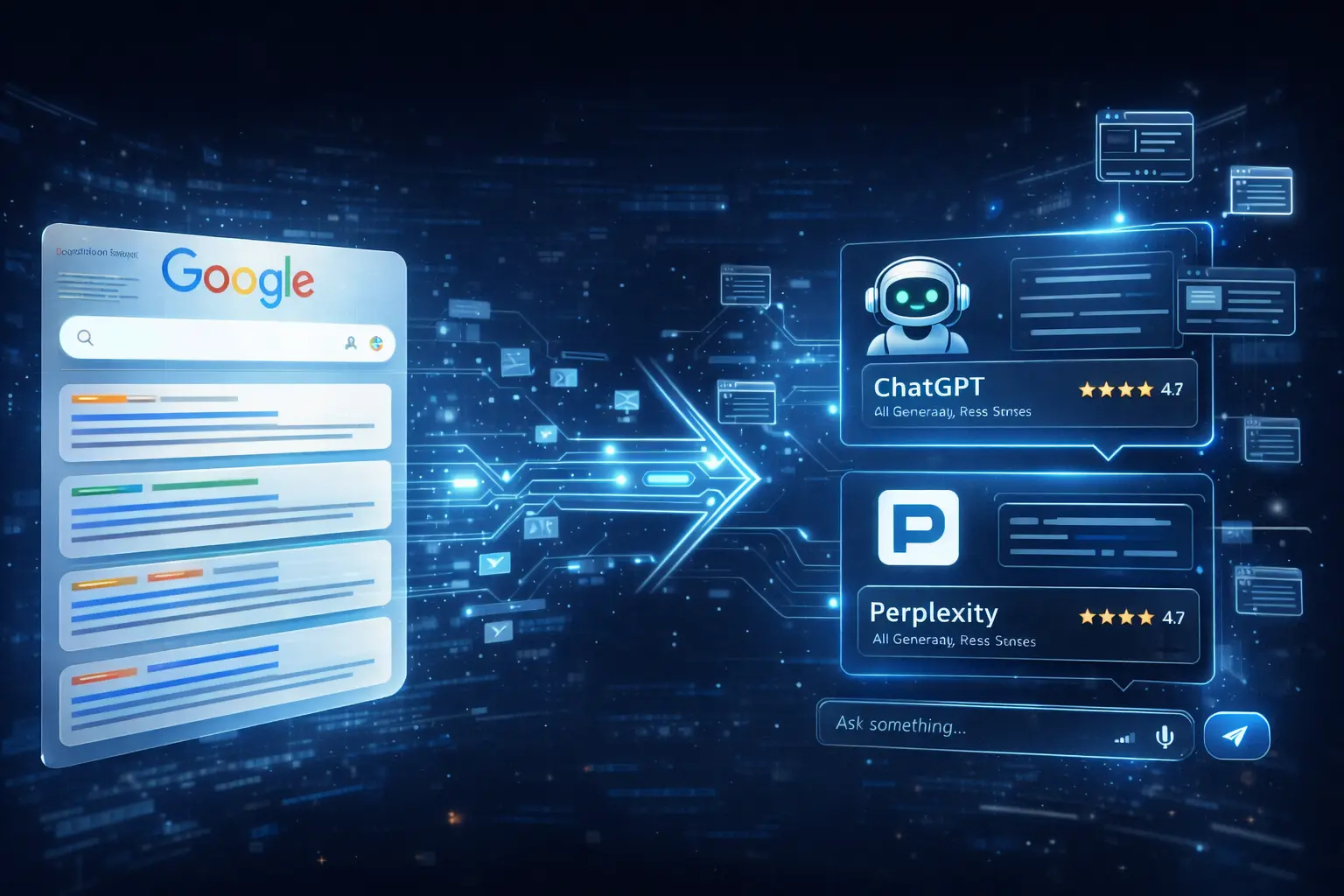
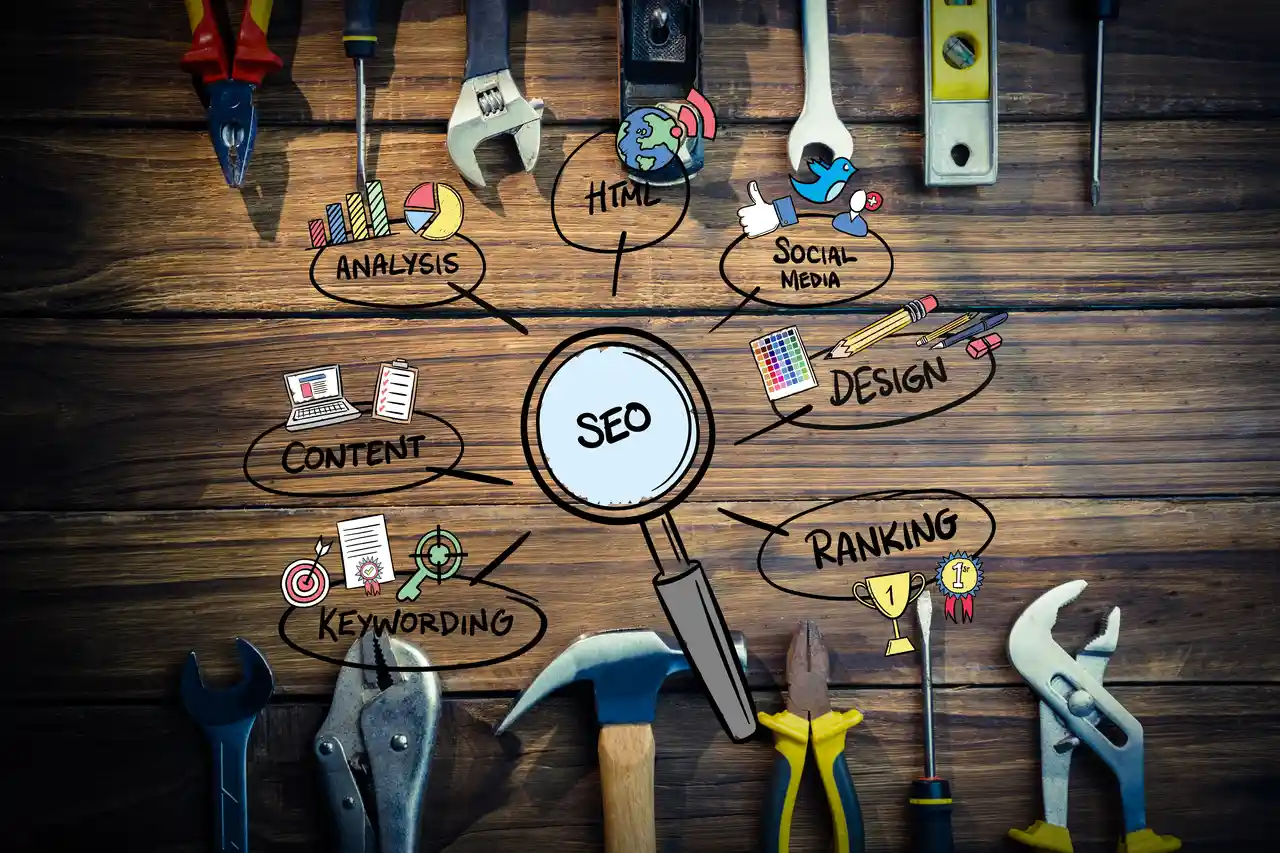
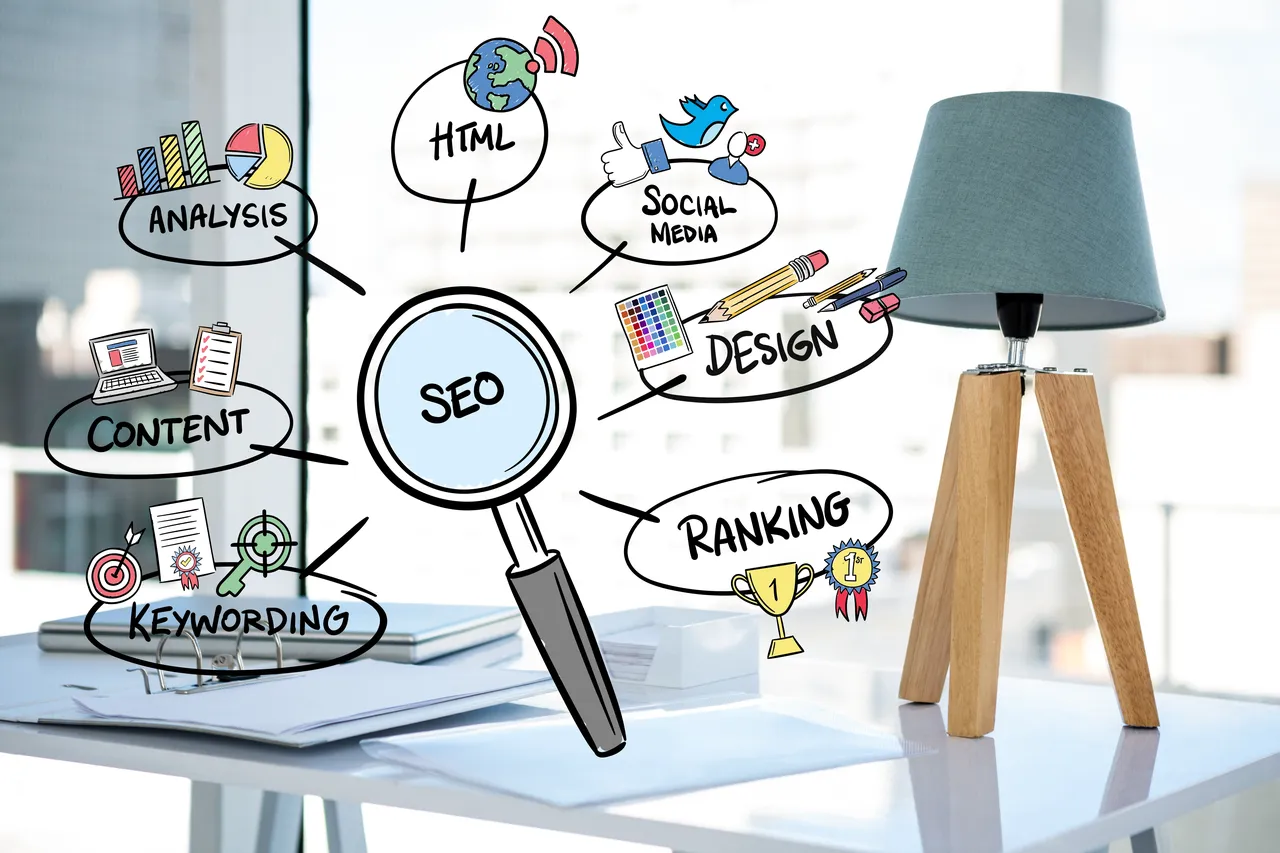
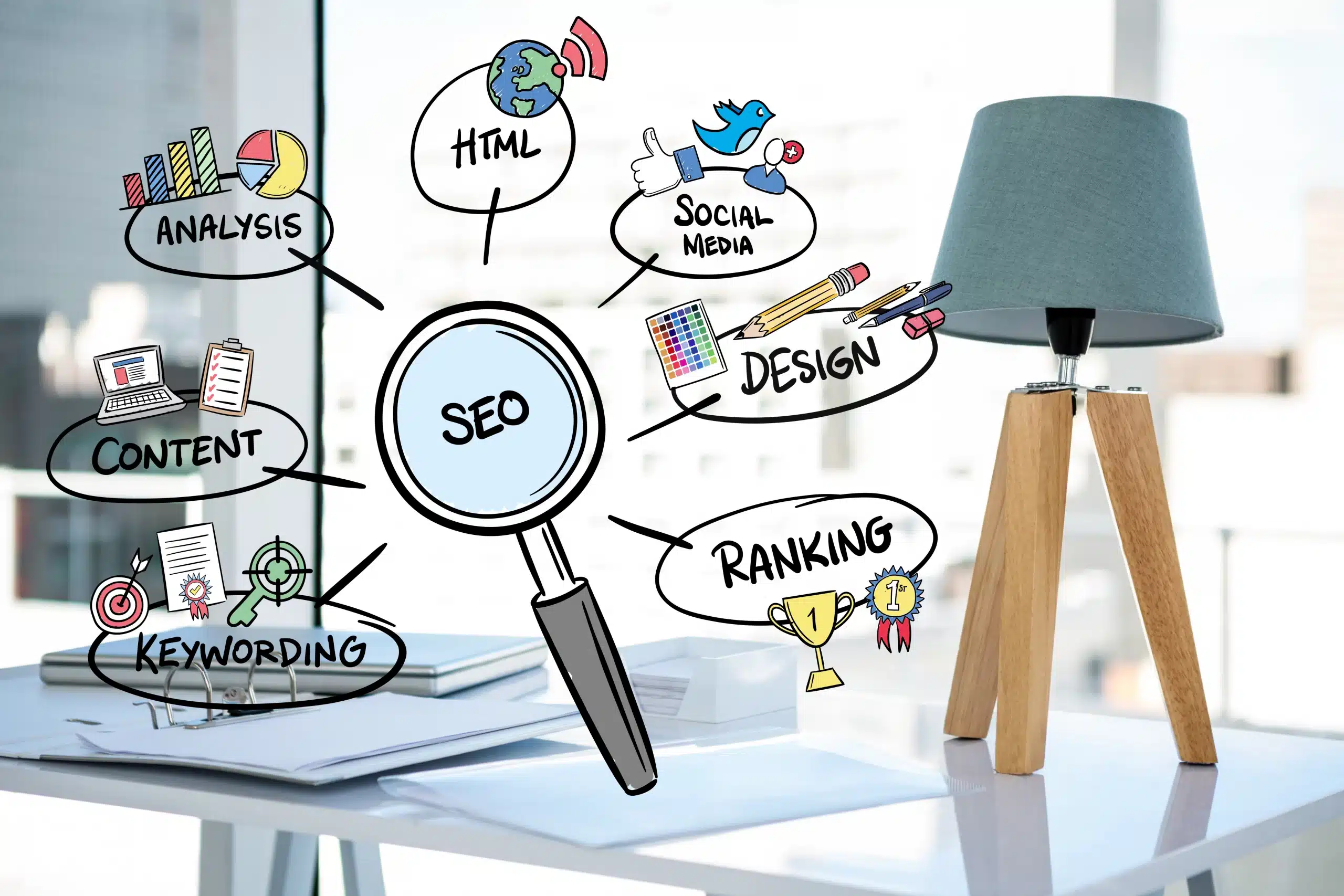
SEO and Conversion Optimization deserve dedicated attention. While only 69% of marketers currently invest in SEO, strong foundations in keyword research, on-page optimization, technical SEO, and link building remain critical. As search evolves with AI-powered and conversational tools, this expertise becomes increasingly valuable.
Conversion Rate Optimization (CRO) completes the technical toolkit—improving user interactions through A/B testing, UX analysis, and funnel optimization directly impacts revenue.
The bottom line? Recruiters are now 50% more likely to prioritize skills over experience, signaling a fundamental shift in how marketing talent is evaluated. Continuous learning and adaptability aren’t just advantages—they’re requirements for thriving in 2026’s dynamic digital marketing environment.
Data Analytics: The Backbone of Informed Marketing Decisions
Why Data Analytics Matters More Than Ever
In today’s marketing landscape, data has become the leading force behind every successful marketing effort. Yet many marketers underestimate its importance. Consider this: 28% of marketers actively use marketing analytics to power their decision-making processes. But here’s what’s even more compelling—54% of companies that extensively leverage marketing analytics consistently achieve higher profits than their competitors. This isn’t coincidence; it’s the direct result of making informed, data-driven decisions.
The message is clear: if you want to stay competitive in 2026, understanding data analytics isn’t optional—it’s essential. Marketers who can translate raw data into actionable insights gain a significant advantage in optimizing campaigns and maximizing ROI.
Building Your Data Analytics Foundation
You don’t need to become a data scientist to succeed in modern marketing. However, you do need a working understanding of how to navigate data analytics tools, plugins, and integrations. This practical knowledge enables you to extract meaningful insights, establish realistic goals, evaluate campaign performance, and strategically adjust your marketing strategies based on what the data tells you.
The good news? You don’t need to master every analytics tool on the market. Instead, focus on becoming proficient with Google Analytics and at least one social media analytics platform like HootSuite. These tools are highly valued in the industry and will give you the foundational skills needed to analyze performance across your most critical channels.
Turning Insights Into Action
Understanding data is only half the battle. The real magic happens when you know how to leverage those insights effectively. This means identifying patterns in your data, adjusting your audience targeting based on performance metrics, and fine-tuning your messaging to resonate with your ideal customers. When you can connect data insights to strategic action, you transform analytics from a reporting function into a powerful optimization engine that continuously improves your campaign results.
The Rise of MarTech and Automation Proficiency
MarTech Platform Mastery is No Longer Optional
The marketing technology landscape has exploded in complexity and capability, yet many teams struggle to harness its full potential. In fact, 48% of marketers cite a lack of technical skills as the biggest barrier to effective MarTech implementation. This skills gap represents a critical challenge in modern marketing departments.
Today’s marketers must develop proficiency across various marketing software platforms and tools. Whether it’s email marketing, analytics, or customer relationship management systems, understanding how to navigate and leverage these technologies has become as fundamental as understanding your audience. The expectation isn’t that marketers become developers—it’s that they become competent operators of the tools that drive modern campaigns. Most marketing teams now expect their employees to be familiar with automation platforms like Marketo or MailChimp, making this skillset virtually non-negotiable.
Automation and Low-Code Solutions: Democratizing Technology
The emergence of low-code and no-code platforms represents a fundamental shift in how marketing technology works. This movement embodies what many call the “democratization of technology,” transferring power from specialized developers to a broader community of marketers and designers.
Marketing automation tools eliminate repetitive, time-consuming tasks while simultaneously providing powerful mechanisms to convert website visitors into customers. By automating these workflows, teams can focus on strategy and creativity rather than manual execution. The market for low-code platforms has exploded—forecasts predicted growth from $4.35 billion in 2018 to over $21 billion by 2022, reflecting the industry’s rapid adoption.
These platforms also address a critical industry challenge: the shortage of talented developers. By enabling marketers to implement design and build processes without deep coding knowledge, organizations can free their development teams for truly innovative work. In 2017, 88% of IT leaders were already evaluating low-code solutions, demonstrating widespread recognition of their value. Low-code platforms increase marketing agility by reducing application build time and accelerating changes to existing applications—capabilities that have become essential in today’s fast-moving digital environment.
Content Creation and SEO in a Digital-First World
Mastering Content Creation for Modern Audiences
Content creation has become the backbone of modern marketing strategy. It’s the ability to produce engaging, relevant, and valuable material that attracts and retains your clearly defined audience while driving profitable customer action. This goes far beyond simply writing blog posts—it’s about understanding your target market deeply, crafting compelling messages, and leveraging various formats like blogs, videos, infographics, and social media posts to reach them where they are.
Effective content creation requires proficiency in multiple areas. You need to master content creation and distribution tools, develop solid SEO knowledge to enhance visibility, and build analytics skills to measure content performance and adjust your strategies accordingly. The payoff is significant: effective content creation is crucial for communicating brand messages, educating audiences, and building lasting customer relationships that drive long-term business growth.
The SEO Imperative in Digital Marketing
SEO remains a cornerstone of digital marketing success, yet surprisingly, only 69% of marketers invested in SEO according to recent research. This represents a significant opportunity for marketers who prioritize it. SEO is essential for building brand awareness, driving website traffic, and converting prospects into customers—making it a non-negotiable skill in today’s digital landscape.
Search Engine Marketing (SEM) encompasses SEO strategies specifically designed to help your brand’s website and content appear in relevant search engine results. When combined with content marketing—the creation and promotion of digital branded content shared through email, social media, and digital advertising—SEO becomes a powerful multiplier for your marketing efforts.
Technical Skills That Amplify Your Content Strategy
While you don’t need to be a developer, basic technical knowledge can significantly amplify your content and SEO efforts. Digital marketers increasingly benefit from the ability to gather, analyze, and find meaning in data. Additionally, basic coding skills like HTML can be valuable for those working in website development, SEO, and email marketing—enabling you to make quick updates to website content or optimize email designs without waiting for technical teams.
The modern marketer who combines strong content creation skills with SEO knowledge and foundational technical understanding has a competitive advantage in driving measurable results.
The Future of Marketing: AI, Personalization, and Real-Time Engagement
AI as the Great Differentiator
The marketing landscape is undergoing a fundamental shift. AI will automate transactional marketing, pushing human creativity, cultural fluency, and authentic storytelling to the forefront as true brand differentiators. We’re entering what industry experts call “The Age of Autonomous Agents”—a pivotal moment where the technical infrastructure handles routine tasks, freeing marketers to focus on what machines can’t replicate: genuine human connection and creative excellence.
This shift doesn’t eliminate the need for technical understanding. Instead, it reframes it. Modern marketers need enough technical literacy to work alongside AI tools and autonomous systems, but the real competitive advantage lies in knowing when and how to inject humanity into an increasingly automated ecosystem.
Navigating the AI-Generated Content Paradox
Here’s where things get nuanced. Marketing services are rapidly evolving into two models: white-glove, personalized approaches and plug-and-play AI-powered solutions. Generative AI is reshaping creative production, with major brands expected to leverage AI in significant portions of their campaigns—think Super Bowl spots powered by generative tools.
But there’s a catch. Consumer aversion to AI-generated “slop” is real, and brands rushing headlong into over-automation risk alienating their audiences. The winning strategy? Marketers who move against the grain by embracing bold, authentic messaging while strategically leveraging AI tools. This means understanding your audience deeply enough to know when AI serves them and when it doesn’t.
Personalization at Scale for Gen Alpha
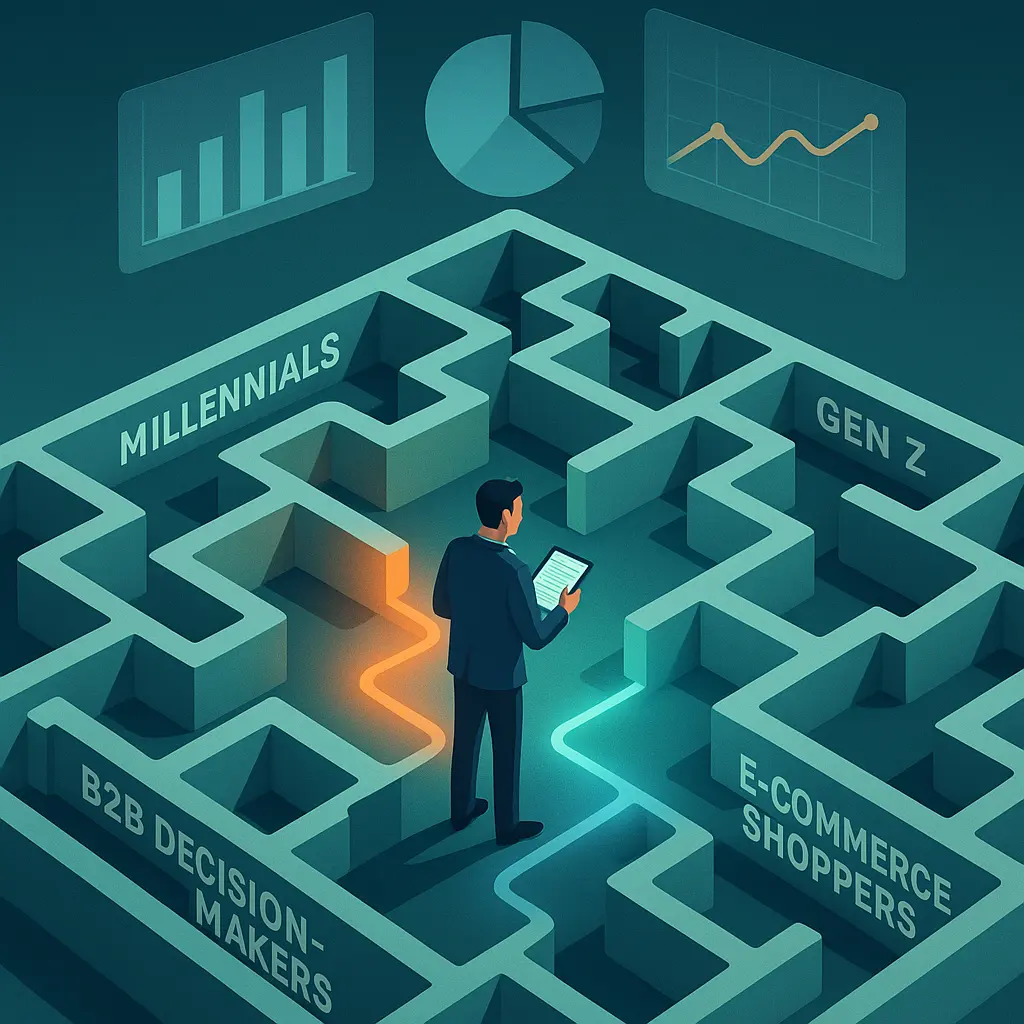
Gen Alpha—born between 2010 and 2024—is reshaping marketer playbooks with significant spending power and influence. Raised on social algorithms and AI, this generation expects deeper personalization than any before them. They consume media across fragmented channels and demand authentic value propositions that resonate contextually.
The technical skill that matters here? Understanding data connectivity. Marketers should shift focus from merely collecting data to connecting it through consumer data platforms and data fabric environments. This unified view of consumers enables the personalization Gen Alpha demands. Additionally, AI can streamline creator partnerships by scaling content volume and deepening audience understanding, though creators themselves must strengthen their creative muscles to cut through the noise.
The Transparency Imperative
As AI complicates the marketing ecosystem, data transparency and ownership become critical. Artificially inflated engagement from bot traffic creates negative feedback loops, making it harder to distinguish authentic signals. Success in 2026 means mastering the technical and strategic skills to navigate this complex landscape—not just understanding AI, but knowing how to maintain trust and efficacy in an increasingly autonomous world.
Skills That Matter by Role: Adapting to the Evolving Landscape
The Marketing Professional’s Skill Set
Modern marketing professionals operate in a fundamentally different landscape than they did just a few years ago. Success today requires a blend of creative thinking and strategic acumen—marketers need to innovate and capture consumer interest through compelling narratives and campaigns. But creativity alone isn’t enough anymore.
Today’s marketing roles demand a diverse skill foundation. Marketing careers require degrees in marketing, business, or communications, with essential competencies spanning creativity, market research, data analysis, and digital marketing proficiency. The key skills that separate exceptional marketers from the rest include understanding core marketing fundamentals, developing robust digital skills like SEO and social media marketing, mastering data analysis, and maintaining strong communication abilities. Staying updated with industry trends and building a professional network are equally critical for long-term success.
Technical Skills: The New Marketing Imperative
What’s changed dramatically is the expectation around technical proficiency. Marketing professionals must adapt to evolving tools and platforms, embracing data-driven marketing, AI-based analytics, and personalized advertising strategies. This doesn’t mean marketers need to become developers, but they do need to understand how technology powers modern campaigns.
The technical skills gap is real, but it’s narrowing. Marketers who develop proficiency in data analysis tools, marketing automation platforms, and analytics software gain a significant competitive advantage. The ability to interpret data, understand user behavior through analytics, and leverage AI-powered insights has become non-negotiable. These aren’t optional add-ons—they’re core competencies that directly impact campaign performance and ROI.
Continuous Learning: The Only Constant
Both marketing and technical roles share one critical trait: the need for continuous evolution. The digital landscape changes rapidly, and professionals who stop learning fall behind. For marketers, this means staying current with emerging platforms, algorithm changes, and new marketing methodologies.
The professionals who thrive in 2026 are those who view skill development as an ongoing journey rather than a destination. Whether it’s mastering a new analytics platform, understanding AI applications in marketing, or learning emerging social media trends, the commitment to growth separates industry leaders from the rest. This adaptive mindset—combined with the right mix of creative, strategic, and technical skills—is what actually matters in today’s marketing landscape.
Conclusion: Navigating the Future of Marketing with a Balanced Skillset
The Era of Integration and Adaptive Learning
The marketing landscape of 2026 won’t belong to specialists alone—it will reward those who master the art of balance. 2026 will be defined by integration, moving away from disconnected tests and outdated brand versus performance debates. This shift means marketers need to blend data with intuition, automation with authenticity, and scale with passion. Success hinges on developing a learning appetite and agility—the willingness to experiment, evolve, and adapt alongside AI technologies. Rather than choosing between technical prowess and creative excellence, thriving marketers will be those who understand how both work together.
The real competitive advantage? Recognizing that AI will re-engineer the entire marketing operating system, moving beyond isolated use cases into integrated workflows. This requires marketers to deploy end-to-end AI strategies that work at scale, but equally important is understanding that AI acts as a “thought-partner” to amplify human ingenuity—not replace it.
Building Your Future-Ready Skillset
The technical skills conversation has evolved. You don’t need to become a developer, but you must understand data pipelines, AI workflows, and how to operationalize marketing systems. Equally critical are the distinctly human skills: authenticity, strategic thinking, and the ability to build brand equity in an attention-scarce world.
Marketing in 2026 is about “brand and performance”—building a full-funnel engine where brand fuels sales and sales build brand. This requires marketers to focus on long-term brand equity while maintaining real-time responsiveness. Integrated, adaptive systems must replace functional silos for long-term survival in an AI-driven landscape.
The path forward isn’t about choosing between technical and creative roles—it’s about becoming a well-rounded marketer who understands enough about technology to collaborate effectively, while maintaining the creative vision and strategic thinking that machines cannot replicate. Organizations that embrace this balanced approach will thrive, while those clinging to outdated silos will fall behind.
Ready to future-proof your marketing strategy? Contact us to discover how we can help you build the integrated, adaptive marketing systems your brand needs to succeed in 2026.
Scopic Studios delivers exceptional and engaging content rooted in our expertise across marketing and creative services. Our team of talented writers and digital experts excel in transforming intricate concepts into captivating narratives tailored for diverse industries. We’re passionate about crafting content that not only resonates but also drives value across all digital platforms.