Introduction: The Indispensable Email Marketing Checklist
Why Your Team Needs an Email Marketing Checklist
Email marketing might seem straightforward on the surface, but the reality is far more complex. Email testing reveals that email is a technically fragmented communication channel—campaigns behave differently across various email clients, devices, inbox filters, and user settings. Without a structured approach, you’re essentially flying blind.
The truth is, outstanding email marketing performance hinges on having a solid process in place. A well-designed email marketing checklist isn’t just a nice-to-have; it’s the backbone of launching high-performing campaigns that maintain focus, avoid missing critical details, and ultimately maximize your open rates and conversions.
The Real Cost of Skipping the Checklist
When marketing teams skip the checklist phase, the consequences are real and measurable. Pre-send checklists help teams avoid common mistakes like broken links, typos, and spam triggers—all of which can undermine campaign effectiveness. Beyond these obvious errors, you risk incorrect rendering, non-functional calls to action, messages being filtered to spam, accessibility gaps, and slow load times.
Even small mistakes matter. A misspelled company name, an incorrect merge field, or a broken link can erode trust and damage your brand reputation. These aren’t just technical oversights; they’re missed opportunities to convert prospects into customers.
How a Checklist Transforms Your Workflow
Using a checklist increases effectiveness, decreases stress, and streamlines your entire work process. It ensures your campaigns are legally compliant, on-brand, and optimized for performance. Email testing supports consistent execution and helps identify issues before campaigns are sent—when fixes are still simple and cost-effective.
Whether you’re managing B2B email marketing campaigns or running complex lifecycle email strategies, a comprehensive checklist transforms how your team operates. It’s the difference between hoping campaigns perform well and knowing they will.
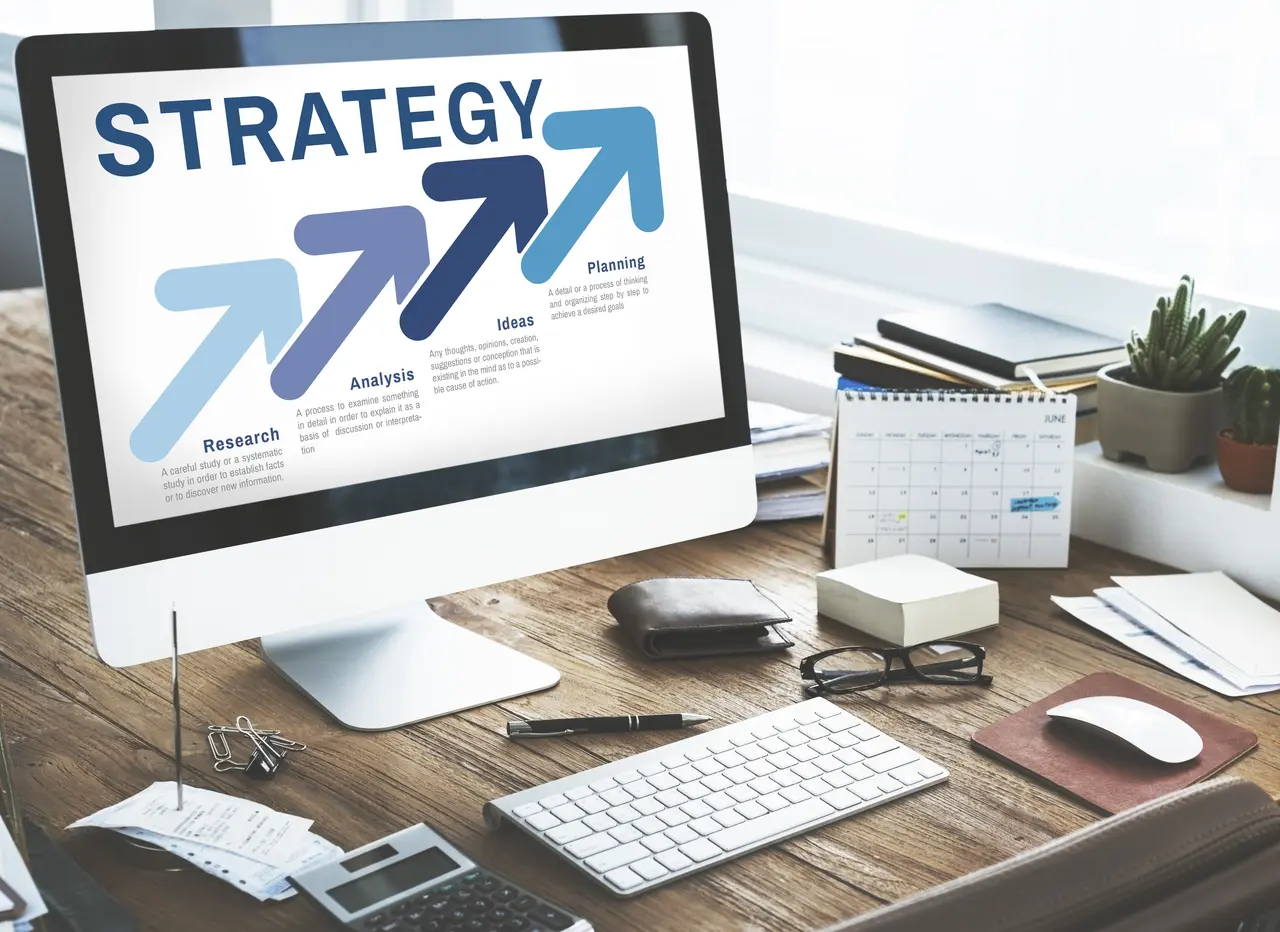
Crafting an Effective Email Marketing Strategy
Define Your Goals and Audience
Before launching any campaign, you need a crystal-clear strategy. Start by pinpointing a single, specific objective—whether that’s customer upsells, lead nurturing, user onboarding, or improving conversion rates. Trying to accomplish everything at once dilutes your message and confuses your audience.
Next, establish your key performance indicators (KPIs). These might include conversion rates over time, cost per lead, time to customer conversion, or engagement levels. Having measurable metrics helps you track what’s actually working. Then comes the crucial step of audience segmentation. Rather than blasting the same message to everyone, segment your audience based on meaningful criteria like subscription date, engagement level, geo-location, or customer status. This targeted approach dramatically boosts engagement and relevance.
Optimize Your Email Content and Design
Your email’s success hinges on compelling content paired with flawless execution. Start with a captivating subject line—this is your first impression. Consider A/B testing different subject lines to discover what resonates with your audience. When crafting your message, always ask yourself: “What’s in it for the reader?” Write content that speaks directly to their interests and needs.
Your call-to-action (CTA) should align perfectly with your campaign goal, whether that’s downloading a resource, making a purchase, or reading an article. Keep your design balanced: aim for at least 60% text and no more than 40% images to avoid spam filters. Use HTML text for your main messages and CTAs, and always include descriptive alt text for images.
Test, Review, and Execute
Flawless execution requires a detailed pre-send checklist. Preview your email across desktop, mobile, and tablet devices to ensure responsiveness. Test all links and UTM parameters to guarantee they lead to correct landing pages and track properly in Google Analytics. Send a test email to your team for feedback before going live.
Finally, choose your optimal send time and apply contact filters for maximum targeting. Monitor email bounces closely to maintain deliverability, and track your KPIs post-send to assess whether you hit your goals. This data becomes invaluable for refining future campaigns and continuously improving your email marketing performance.
B2B Email Marketing Checklist: Driving Pipeline Growth
Understanding B2B Email Fundamentals
B2B email marketing operates differently from consumer-focused campaigns. Unlike B2C emails targeting individual buyers, B2B campaigns reach multiple decision-makers within organizations—from CFOs evaluating ROI to IT teams assessing integration capabilities to end-users considering ease of use. This complexity means longer buying cycles spanning weeks or months, requiring strategic nurturing through valuable content like whitepapers, case studies, and implementation guides at each stage of the buyer’s journey. The payoff? Email is nearly 40x more effective at acquiring new customers than social media, with an average ROI of $42 for every $1 spent.
Building Your B2B Email Strategy
A robust B2B email marketing strategy starts with auditing your current state and defining clear revenue goals. Map your buyer’s journey across early, mid, and late stages, then segment your database using key dimensions: engagement level, account fit (ICP vs. non-ICP), lifecycle stage, and behavioral signals. This segmentation is critical—segmented campaigns drive 760% more revenue than non-segmented ones.
Build your core program architecture around essential automation workflows: welcome/onboarding series, lead nurture by pain point and persona, product education for expansion, and re-engagement campaigns. Each stage requires tailored content—awareness stage emails should feature educational resources and event invites, consideration stage should include case studies and demo invites, while decision stage needs personalized demos and implementation focus. Remember, personalized B2B emails generate 6x higher transaction rates and 41% higher click-through rates.
Pre-Send Optimization Checklist
Before hitting send, conduct a thorough pre-send review. Verify all links work correctly, including unsubscribe links required by CAN-SPAM compliance. Craft subject lines under 50 characters with personalization or numbers—this can improve open rates by 26-50%, with personalized subject lines being 26% more likely to be opened. Use preview text to communicate value and pique interest.
Check your email design for accessibility: maintain at least 60% text and no more than 40% images, use 12-18 point fonts, and ensure proper contrast. Include a single, specific CTA tied to clear value. Test across different email clients and devices, and send test emails to colleagues first. Configure SPF, DKIM, and DMARC for deliverability, keeping bounce rates under 3%. Finally, set up A/B testing for subject lines, CTAs, and design to continuously optimize performance and track revenue-focused metrics like pipeline sourced, pipeline influenced, and average contract value.
Email List Management and Segmentation Best Practices
Building and Maintaining a Quality Email List
Your email list is only as valuable as the subscribers on it. Rather than obsessing over raw subscriber count, focus on quality and engagement. The foundation of effective email marketing starts with organically collected subscribers who genuinely want to hear from you. Monitor your active subscribers by tracking open rates, click-through rates, and reply metrics—these indicators reveal who’s truly engaged with your content.
As your list grows, don’t hesitate to remove low-engagement contacts and immediately process unsubscribes. This might seem counterintuitive, but maintaining a smaller, highly engaged list dramatically improves your campaign performance and keeps you out of spam folders. Think of it as quality over quantity—a list of 5,000 interested subscribers will outperform 50,000 disengaged ones every single time.
Strategic Segmentation for Maximum Impact
Email segmentation is the practice of dividing your subscribers into smaller, targeted groups based on behavioral or demographic data. This could include factors like location, past purchases, website actions, job title, or engagement levels. The beauty of segmentation? Smaller, more targeted groups receive more personalized, resonant content that actually speaks to their needs.
The benefits are measurable and significant: increased open rates, higher click-through rates, better conversion rates, improved ROI, and fewer unsubscribes. You can segment using demographic data (age, gender, location, preferences), behavioral data (purchase history, browsing activity, abandoned carts), or lifecycle stage (awareness, consideration, purchase, retention, advocacy). For B2B marketers, consider segmenting by role and responsibilities. For e-commerce, abandoned cart segments are gold for recovery campaigns.
Implementing Effective Segmentation
Contact filtering allows you to apply multiple criteria simultaneously—combining position, active status, domain, and subscription date to create highly targeted campaigns. Modern email list management software lets you maintain one master list while creating sophisticated segments without duplicating contacts.
Remember to review and update your segments regularly—every 3-6 months is ideal—to keep your targeting accurate and effective. Whether you’re nurturing leads, re-engaging inactive subscribers, or celebrating loyal customers, proper segmentation ensures every email lands with the right person at the right time. This targeted approach is especially powerful for small businesses looking to maximize conversion rates and ROI from their email efforts.
Ensuring Email Deliverability: Avoiding the Spam Folder
Email deliverability is one of the most critical components of a successful email marketing strategy. Here’s the reality: only about 30% of your deliverability success depends on your email service provider. The remaining 70% is entirely in your hands. This means mastering the fundamentals of email authentication, sender reputation, and list hygiene isn’t optional—it’s essential.
Authentication and Technical Foundation
The first step toward inbox placement is setting up proper email authentication. SPF, DKIM, and DMARC records are the holy trinity of email authentication, signaling legitimacy to Internet Service Providers (ISPs) and preventing spoofing. Beyond these technical records, establish a custom tracking domain to ensure consistent performance across different email clients.
Your sender profile matters too. Use your actual name and professional photo—fake identities immediately raise red flags with ISPs and damage your credibility with recipients.
Building and Maintaining Sender Reputation
Your sender reputation is a score ISPs assign to your outgoing mail servers, and it directly impacts whether your emails land in inboxes or spam folders. Multiple factors influence this score: spam complaints, email bounces, sudden volume spikes, blacklisting, and most importantly, email engagement.
Start by auditing your current reputation. Check if your domain or IP has been blacklisted using tools like Sender Score and Google Postmaster Tools. Analyze your open rates, reply rates, bounce rates, and unsubscribe rates to identify potential issues.
For new senders or IP addresses, gradually warm up your email account by increasing sending volume incrementally. This builds trust with ISPs without triggering spam filters. Aim for a reply rate above 10% and keep bounce rates below 2%.
List Quality and Email Content Strategy
Your email list is only as valuable as its quality. Never purchase email lists—they’re a guaranteed path to spam folders. Instead, collect verified email addresses from real professionals, use double opt-in processes, and regularly prune unengaged subscribers.
When crafting emails, avoid spam trigger words, excessive punctuation, and ALL CAPS in subject lines. Keep HTML simple, minimize attachments, and use images sparingly. Personalize your emails using recipient names and behavioral data, and segment your list to send relevant content to the right people at the right time.
Finally, always include a clear, easy-to-use unsubscribe link for compliance with regulations like CAN-SPAM, GDPR, and CCPA. Monitor your engagement metrics continuously and adjust your strategy based on the data you collect.
Lifecycle Email Strategy: Engaging Customers at Every Stage
Lifecycle email marketing represents a strategic approach to customer engagement that goes far beyond one-off promotional blasts. This method involves sending targeted and timely emails to customers throughout their entire journey with your brand, with the goal of nurturing relationships, boosting engagement, and ultimately increasing customer retention and lifetime value.
The Five Stages of Customer Lifecycle
Modern customer lifecycles have evolved beyond basic frameworks. Today’s most effective email strategies align with five primary stages: Awareness, Purchase, Relationship Building, Retention, and Advocacy.
During the Awareness stage, prospects are just learning about your brand. Your emails should focus on explaining product benefits, solving pain points, providing links to relevant content, and sharing customer testimonials. As customers move to the Purchase stage, the strategy shifts to driving conversions through personalized subject lines (which increase open rates by 26%) and segmented campaigns (which boost revenue by 760%). Consider offering free shipping—80% of customers value this incentive—or inviting prospects to product demonstrations.
Building and Maintaining Customer Relationships
The Relationship Building stage is where you develop deeper connections post-purchase. Send regular newsletters featuring product improvements, industry updates, and event invitations. Include post-purchase follow-ups and feedback surveys to show you value their input.
Retention is where the real value emerges. Since it costs five times more to attract a new customer than retain an existing one, focus on providing value beyond selling. Loyalty programs, exclusive content, and personalized product recommendations based on browsing and purchase history keep customers engaged and coming back.
Finally, the Advocacy stage transforms satisfied customers into brand ambassadors. Send thank you notes, encourage referrals with incentives, and reach out to VIP customers for testimonials and social media sharing opportunities.
Re-engagement: Don’t Forget Inactive Subscribers
One often-overlooked element is re-engagement. Since it costs five times more to acquire a new subscriber than to re-engage an inactive one, send thoughtful re-engagement emails that demonstrate care. Offer options to update preferences or change content types, and consider using incentives to win them back.
Lifecycle emails are welcomed by recipients because they arrive at the right moment—when customers are deciding their next steps. By strategically mapping emails to each lifecycle stage, you create a cohesive experience that drives measurable results.
Email Content Creation and Design Checklist
Crafting Compelling Content and Copy
Your email content is the heart of your campaign, so it needs to be sharp, relevant, and persuasive. Start by asking yourself the critical questions your subscribers will ask: “So what?” and “What’s in it for me?” This ensures your message resonates with your audience’s actual interests and needs.
Keep your copy concise and impactful. Delete unnecessary words, maintain paragraphs under three sentences, and ensure every line serves a purpose. Content should be error-free and easy to read—proofread carefully for spelling, grammar, and punctuation errors. After writing, take a break and review with fresh eyes, or better yet, get feedback from your team to catch what you might miss.
Your subject line deserves special attention. Keep it under 50 characters, make it relevant to your content, and craft something that stirs curiosity—questions and emojis work well here. Pair this with compelling preview text that communicates value and piques interest, avoiding generic phrases that don’t add anything meaningful.
Design, Visuals, and Technical Optimization
Visuals enhance appeal and improve comprehension, but balance matters. Aim for at least 60% text and no more than 40% images to maintain readability and avoid spam filters. Use images strategically as dividers and to break up content, but always include alt text for accessibility and context.
Choose responsive, customizable templates that adapt seamlessly across devices and email clients. Test your emails on desktop, mobile, and tablet to ensure proper display. Check the plain text version for readability since some users can’t view HTML emails. Personalization elements like merge tags (e.g., [First Name]) must display correctly to maintain that personal touch.
Pay attention to technical details: verify font sizes (12-18 points recommended), check color contrast for accessibility, and ensure proper spacing. Test email load times to confirm that large images or unnecessary elements don’t slow performance. Verify every link works—including CTAs and unsubscribe links—to avoid poor campaign results and brand damage.
Compliance and Final Quality Checks
Before hitting send, review your email for brand consistency and alignment with campaign goals. Ensure compliance with the CAN-SPAM Act by including a valid physical address, non-misleading information, and a visible unsubscribe link for GDPR compliance. Check for spam trigger words and red flags that could land your message in the spam folder.
Send test emails to your team to gather feedback and catch any issues before your full campaign launch. Use preview tools like Litmus or Mailtrap to test rendering across different email clients. This final quality check is your safety net—it catches formatting issues, accessibility problems, and ensures your message arrives exactly as intended.
Pre-Send Email Testing and Quality Assurance
Before hitting send, your marketing team needs to verify that every element of your email campaign works exactly as intended. Email testing reduces uncertainty by confirming your campaigns are delivered, displayed, and interact with subscribers the way you’ve designed them. Think of it as quality control for your entire email marketing checklist—it catches problems before they damage your sender reputation or user experience.
Core Testing Areas You Can’t Skip
Your pre-send testing should cover several critical dimensions. Rendering is foundational: verify how your email looks across major email clients, check image scaling, font sizes, spacing, and crucially, test dark mode appearance since many subscribers use it. Links and CTAs require thorough validation—ensure all buttons work, tracking parameters are properly applied, and landing pages load correctly on both mobile and desktop devices.
Don’t overlook subject lines and preview text. Test how they display across different inbox views and whether they get truncated. Your deliverability depends on sender authentication, subject line structure, and avoiding content patterns that trigger spam filters. Accessibility checks matter too: include alternative text for images, maintain sufficient color contrast, structure content logically for screen readers, and use readable font sizes.
Finally, monitor load time. Large email files and oversized images can slow delivery on slower connections, negatively impacting user experience.
Testing Best Practices and Common Pitfalls
Integrate testing into your workflow as an ongoing process, not just a final step before launch. Many teams make critical mistakes by testing in only one inbox or device, skipping dark mode reviews, or neglecting accessibility checks. Late-stage edits without re-testing are another common gap that can introduce errors.
Send test emails to your team and collect feedback before the campaign goes live. This real-world validation catches issues that automated tools might miss. If you’re running A/B tests, ensure each variation functions correctly before comparing results. Additionally, check UTM parameters if tracking campaign performance, and verify the plain text version reads well for subscribers who prefer that format.
Your pre-send checklist should also confirm that personalization and dynamic fields display correctly, unsubscribe links are present for compliance, and all images load with proper alt text. By treating testing as a non-negotiable part of your email marketing checklist, you’ll dramatically improve campaign performance and protect your sender reputation.
Email Campaign Audit Checklist: Optimizing Performance
What Is an Email Marketing Audit?
An email marketing audit is a systematic review of your campaigns that examines metrics, segmentation strategies, workflows, and creative direction to identify what’s working and what isn’t. A comprehensive audit helps you discover problems and untapped opportunities—like finding high-performing segments you can double down on. The payoff is significant: email marketing can generate $36 for every $1 spent, making optimization efforts well worth the investment. Beyond revenue, audits provide valuable audience insights into subscriber behavior, preferences, and interests, enabling more effective, personalized campaigns.
Key Components to Audit
Your email audit should cover multiple dimensions. Start with list health and deliverability, examining bounce patterns, engagement history, and invalid addresses. Next, review your content and design—evaluate subject lines, preheader text, copy quality, mobile-friendliness, and brand consistency. Don’t overlook technical elements like responsive design, alt text, and email code quality.
Segmentation and automation deserve special attention. Ensure your list is properly segmented based on relevant criteria (age, location, behavior) for true personalization. Test your automated triggers and workflows to verify they’re functioning correctly and delivering timely, targeted content. Finally, assess compliance with regulations like GDPR and CAN-SPAM to protect your brand reputation and improve inbox placement.
How to Execute Your Audit
Start by defining 1-3 SMART goals—for example, “boost click-through rates on mobile by 25%.” Select KPIs that align with these goals, such as open rates, click-through rates, and conversion rates. Assemble a knowledgeable team including campaign creators, deliverability specialists, and analysts.
Gather six months of performance data using your email platform, Google Analytics, and specialized tools like Litmus or Email on Acid for testing. Analyze your findings thoroughly, comparing metrics against industry benchmarks and your historical data. Create reports that visualize key performance indicators and reveal patterns.
Transform your findings into a prioritized action plan with clear timelines and assigned responsibilities. Focus on quick wins first, then tackle longer-term objectives. Continuously A/B test subject lines, copy, and CTAs to drive ongoing improvement. Remember: external audits often provide more value than internal reviews, offering impartial insights and guidance on emerging trends and legal requirements.
Conclusion: Recommendations for Continuous Improvement and GDPR Compliance
Building a Sustainable Email Marketing Strategy
Your email marketing checklist isn’t complete without a commitment to continuous improvement and regulatory compliance. The foundation of modern email marketing rests on two pillars: delivering value to your subscribers and respecting their privacy rights. By implementing a robust email marketing checklist that prioritizes both engagement and compliance, you’ll build trust with your audience while protecting your organization from legal and reputational risks.
The key to sustainable email marketing lies in treating your subscriber list as a valuable asset that requires constant attention. Focus on maintaining list quality by promptly processing unsubscribes and re-engaging inactive users. Make sure your unsubscribe option is visible, clear, and functional—test the process regularly to ensure it removes users from your list as expected. This isn’t just best practice; it’s essential for maintaining subscriber trust and regulatory compliance.
GDPR Compliance: Non-Negotiable Requirements
GDPR compliance extends far beyond sending emails—it’s a comprehensive approach to data protection that directly impacts your bottom line. Violations can result in fines up to €20 million or 4% of global revenue, whichever is higher. To avoid these penalties, establish explicit consent mechanisms where subscribers actively opt-in through double opt-in processes and clearly understand what they’re consenting to.
Implement “data protection by design and by default” across your email operations. This means encrypting sensitive data, using pseudonymization techniques, and maintaining strict email retention policies that align with the principle that personal data should be stored “no longer than is necessary.” Train your team on cybersecurity best practices, require two-factor authentication, and document all consent records as proof of compliance.
Additionally, ensure your privacy notices are transparent and easy to understand, allowing subscribers to select their communication preferences. Manage your email lists by collecting only necessary information, using data exclusively for disclosed purposes, and promptly notifying authorities of any data breaches.
By embedding these compliance measures into your email marketing checklist, you’ll create a sustainable framework that protects both your subscribers and your business. Ready to elevate your email strategy? Our email marketing agency specializes in building compliant, high-performing campaigns that drive results.
Note: This blog’s images are sourced from Freepik.