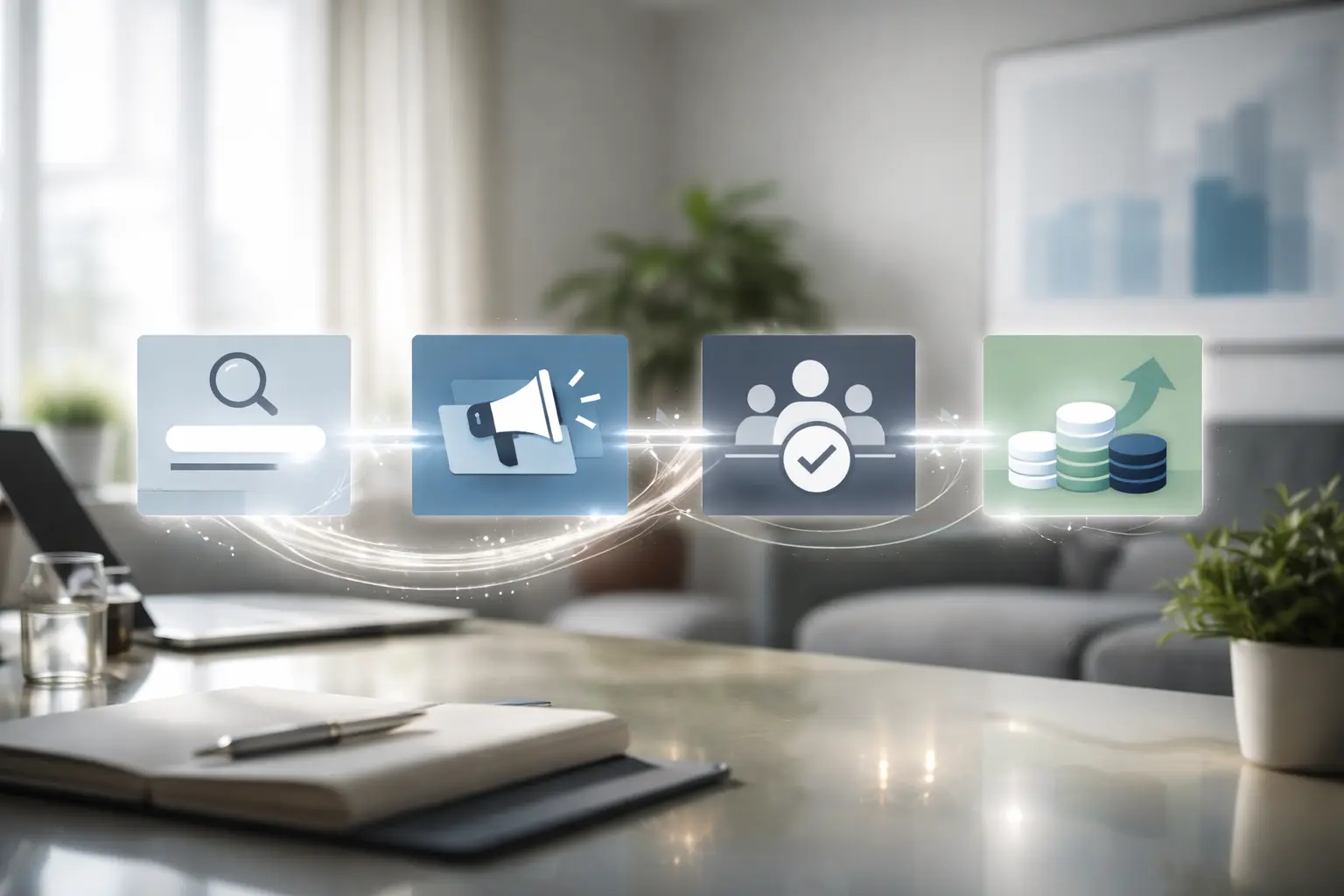

Tired of watching promising product-led sales experiments stall out just as leads start to show real interest? You’re not alone—many teams struggle to bridge the gap between product activation and actual revenue growth. In today’s fast-moving SaaS landscape, cracking the PLS playbook isn’t just a nice-to-have; it’s the difference between a trial-to-paid conversion and a leaky funnel. Understanding the PQL framework, optimizing the sales-assisted PLG motion, and mastering data-driven personalization are now mission-critical for anyone serious about sustainable growth.
That’s why we’ve done the heavy lifting for you. Below, you’ll find eight proven product-led sales strategies for 2026—each one handpicked for its real-world impact, scalability, and ability to drive activation to revenue. We’ve prioritized actionable techniques and frameworks that solve today’s biggest go-to-market challenges. Ready to master the new rules of product-led sales? Let’s dive in.
What is Product-Led Sales?
Product-led sales (PLS) is a modern go-to-market approach where the product itself is central to acquiring, activating, and converting users into paying customers. Unlike traditional sales models, which rely heavily on outbound outreach and demos, product-led sales leverages the product as the primary driver for customer engagement and sales growth. Users can experience value firsthand—often through free trials or freemium models—before engaging with a sales team. This shift is enabled by a deep focus on the user’s journey, from activation to revenue, and is particularly effective for SaaS and B2B technology businesses.
How the PLS Playbook and PQL Framework Work
The PLS playbook is a structured set of best practices and workflows designed to optimize the product-led sales process. Central to this methodology is the Product-Qualified Lead (PQL) framework. Unlike Marketing Qualified Leads (MQLs) or Sales Qualified Leads (SQLs), PQLs are identified based on real product usage data—such as reaching an activation milestone, frequent feature use, or engaging in collaborative workflows. This data-driven approach ensures that sales teams focus their efforts on users who have already demonstrated intent and value, enabling more personalized, efficient, and successful sales-assisted PLG motions.
Key Benefits of Product-Led Sales Strategies
Product-led sales strategies offer significant advantages for both companies and customers. By allowing users to self-educate and experience the product independently, businesses benefit from higher quality leads, shorter sales cycles, and improved trial-to-paid conversion rates. Sales teams can act as trusted advisors who add value at key decision points rather than pushing for a sale too early. For customers, this translates into a frictionless buying process and greater confidence in their purchasing decisions. These benefits are especially valuable in competitive markets where seamless onboarding and rapid time-to-value are critical.
Essential Tools and Technologies for Product-Led Sales
Successful product-led sales strategies are powered by a robust tech stack. Essential tools include product analytics platforms that track user journeys, CRM systems capable of integrating behavioral data, and customer engagement tools for timely, personalized outreach. Many organizations also leverage automation to scale sales-assisted PLG efforts—triggering messages or handoffs when users hit specific PQL milestones. By combining these technologies, companies can map the customer journey, remove friction, and deliver data-driven personalization at scale, all of which are foundational to mastering the PLS playbook. For further insights on integrating your product-led strategy with broader marketing efforts, explore our guide on B2B website strategy.
Making the Right Product-Led Sales Strategy Choices
Choosing the right product-led sales strategies can feel overwhelming, especially with so many options promising to boost activation to revenue. It’s not just about picking the “best” strategy; it’s about finding the right strategy for your specific product, customers, and team.
Start by honestly assessing your current sales process. Where are the biggest bottlenecks? Are you struggling with trial-to-paid conversions, or is it more about retaining customers after the initial sale? Understanding your pain points will help you prioritize strategies that address your most pressing needs. For example, if you’re seeing high churn after the handoff from sales, focusing on humanizing that transition and implementing a structured system could be a game-changer.
Consider how well a strategy aligns with your existing tech stack and the expertise of your team. Implementing a data-driven personalization strategy, for instance, requires robust analytics tools and a team comfortable interpreting and acting on those insights. Don’t be afraid to start small and iterate, focusing on one or two key areas where you can make a significant impact using the PLS playbook and PQL framework. The goal is to create a sustainable, scalable sales-assisted PLG motion that drives long-term growth.

Humanizing the Handoff: Building Trust Beyond the Contract
One of the most overlooked aspects of product-led sales is the customer handoff—when a new user transitions from sales to customer success. Too often, this phase feels abrupt, leaving customers anxious and forcing them to repeat their needs. Humanizing the handoff means proactively introducing the customer success team during the sales process, ensuring a seamless, trust-building transition. This approach is crucial for reducing churn, boosting engagement, and creating a positive first impression that carries through the entire customer lifecycle.
To implement this strategy, start by involving your customer success manager in late-stage sales calls or product demos. Allow them to ask questions, understand the customer’s goals, and share how they’ll support the onboarding journey. After the contract is signed, facilitate a warm introduction—ideally via a joint email or meeting—so the customer never feels like they’re starting over. This method aligns perfectly with the PLS playbook and supports a smooth activation to revenue journey. If you want to learn more about optimizing your customer handoff process, Contact us for expert guidance.
This strategy is especially effective for SaaS companies and sales-assisted PLG motions, where high-touch onboarding is key to converting trial-to-paid users. Companies like Apparate have seen measurable improvements in customer satisfaction and retention by humanizing the sales-customer handoff.
Pro Tip:
- Document key customer insights during sales and share them with customer success to avoid repetitive discovery.
- Use a shared CRM or handoff template to standardize the process and ensure nothing falls through the cracks.

Streamline Sales-to-Customer Success Handoffs
A structured handoff system is essential for any product-led sales (PLS) organization aiming to deliver seamless customer experiences and accelerate activation to revenue. When the transition from sales to customer success is left unstructured, critical client information often gets lost, resulting in inconsistent onboarding, slower trial-to-paid conversions, and missed opportunities for upselling. By standardizing the handoff process—using a consistent form or template to capture and transfer key client insights—teams can ensure that every customer receives the attention and support they need right from the start.
To implement this strategy, start by mapping out the ideal handoff journey within your PLS playbook. Develop a standardized form that sales reps fill out at the point of deal closure, capturing essential details such as customer goals, product use cases, PQL framework data, and any unique requirements. This form should be shared directly with the customer success team, either via your CRM or a dedicated workflow tool. Regularly review and refine the process based on feedback from both teams to eliminate bottlenecks and ensure continuous improvement.
This approach is particularly valuable for SaaS companies and sales-assisted PLG teams handling high volumes of product-qualified leads. The benefits include faster onboarding, higher customer satisfaction, and improved retention rates. For a deeper dive into building an effective handoff system, check out this practical guide on sales-to-customer handoff best practices.
Pro Tip:
- Involve both sales and customer success teams when designing your handoff form to ensure all critical information is captured.
- Automate the handoff notification in your CRM to avoid delays and missed follow-ups.
- Regularly review handoff outcomes to spot trends and optimize the process for better activation-to-revenue performance.

Unifying Service and Sales Data for Seamless Revenue Growth
Integrating service and sales data is a game-changer for product-led sales teams aiming to maximize upsell and renewal opportunities. By connecting customer support interactions, usage patterns, and product feedback with sales pipelines, companies gain a 360-degree view of each account. This holistic approach transforms service from a traditional cost center into a strategic revenue channel, enabling more personalized and timely sales outreach—especially during key moments like renewals or when a customer hits a product milestone.
To implement this strategy, start by aligning your CRM and customer support platforms, ensuring all customer touchpoints are tracked and accessible to both service and sales teams. Next, establish workflows where service triggers—such as a resolved support ticket or a usage spike—automatically notify sales reps. This enables sales-assisted PLG motions, where reps can act on real-time signals and engage customers with relevant offers or assistance. Companies leveraging the PLS playbook often see smoother activation to revenue transitions and higher trial-to-paid conversion rates.
This strategy is ideal for SaaS businesses and organizations with complex products or long sales cycles. The expected outcomes include increased upsell rates, improved customer satisfaction, and a tighter alignment between service and sales teams. For example, leading manufacturers have reported significant revenue boosts by integrating service insights into their sales process, as detailed in this resource. If you’re looking to boost your pipeline, consider exploring our B2B and B2C lead generation services to further enhance your sales efforts.
Pro Tip:
- Regularly review integrated data to identify new Product Qualified Lead (PQL) signals.
- Train both service and sales teams on interpreting cross-functional data for more meaningful customer conversations.
- Automate alerts for high-value service events to ensure no revenue opportunity slips through the cracks.

Transforming Sales into a Value-Add Consulting Force
In the evolving landscape of product-led sales, the most successful teams are shifting from traditional cold outreach to a consultative approach—acting as trusted advisors who add real value throughout the customer journey. Rather than simply pushing demos or chasing deals, sales professionals are now trained to deeply understand customer pain points, demonstrate tailored solutions, and drive engagement, especially for complex or enterprise-level needs. This hybrid model, a key pillar of the modern PLS playbook, positions sales as a strategic partner within the Product-Led Growth (PLG) motion.
To implement this strategy, start by equipping your sales team with in-depth product knowledge and customer empathy training. Encourage them to use insights from the PQL framework to identify high-intent users and engage them with personalized, consultative conversations. For sales-assisted PLG, focus on value-driven interactions—such as solution workshops, technical deep-dives, and custom ROI analyses—rather than generic pitches. This approach is especially effective for B2B SaaS companies targeting mid-market and enterprise segments, where buyers expect a higher level of expertise and support during the activation to revenue journey.
Companies adopting this strategy see higher trial-to-paid conversions, increased deal sizes, and stronger customer relationships. For example, leading SaaS firms have reported that integrating consultative sales into their PLG motion accelerates enterprise adoption and shortens sales cycles, as buyers feel more confident and supported throughout the process.
Pro Tip:
- Regularly align sales and product teams to ensure messaging is consistent and insights are shared.
- Use product usage data to tailor outreach and recommendations, making every sales touchpoint relevant and timely.

Map the Customer Journey and Remove Friction
One of the most effective product-led sales strategies is to meticulously map your customer journey and systematically remove friction points. This approach means deeply understanding every step users take from sign-up to activation, identifying where they get stuck or drop off, and then smoothing out those obstacles. By leveraging tools like FullStory or Hotjar for session recordings and pairing them with targeted user surveys, you can pinpoint exactly where confusion or frustration arises—whether it’s during onboarding, feature discovery, or the trial-to-paid conversion process.
To implement this strategy, start by mapping out your ideal user flow within your product. Next, use analytics and session recordings to observe real user behavior and highlight bottlenecks or moments of hesitation. Follow up with in-app surveys to gather qualitative insights. Prioritize fixes that directly impact activation to revenue metrics, such as simplifying onboarding steps or clarifying value propositions at key touchpoints. This strategy is ideal for SaaS teams aiming to boost conversion rates and retention within a PLS playbook or PQL framework.
The benefits are clear: reducing friction leads to higher activation rates, smoother trial-to-paid transitions, and happier customers. For a deeper dive, check out this guide to product-led growth that explores practical friction-removal tactics.
Pro Tip:
- Regularly revisit your journey map as your product evolves—new features can introduce new friction points.
- Involve both product and sales-assisted PLG teams in the analysis to ensure a holistic view of the user experience.

Scale Personalization with Data-Driven Insights
Data-driven personalization at scale is transforming product-led sales by enabling teams to deliver tailored experiences to thousands of prospects simultaneously. Rather than relying on generic outreach, modern sales teams leverage behavioral and engagement data—like website visits, content downloads, and social media interactions—to craft hyper-relevant messages and offers. AI-powered tools, integrated into the PLS playbook and PQL framework, recommend the right content or product features based on patterns from similar users, making every touchpoint feel one-on-one.
To implement this strategy, start by centralizing your user data from all digital touchpoints. Use AI or advanced analytics platforms to segment users and identify high-potential product-qualified leads (PQLs). If you’re looking for the best solutions to support this, check out Predictive Analytics Tools Marketers Should Know. Next, set up dynamic personalization in your email campaigns, in-app messaging, and sales-assisted PLG outreach. For example, if a prospect frequently explores a specific feature, your next email should highlight advanced use cases or customer stories related to that feature. This approach is ideal for SaaS companies and B2B teams aiming to improve trial-to-paid conversions and accelerate activation to revenue.
According to RefonteLearning, companies using data-driven personalization report higher response rates and stronger trust with prospects, leading to improved sales outcomes.
Pro Tip:
- Regularly update your customer segments as new data comes in to keep personalization relevant.
- Test different AI-driven recommendations to see which content or offers resonate best with each segment.

Drive Conversions with Personalized Sales Support at the Decision Stage
At the crucial decision and conversion stage of product-led sales, providing tailored sales support can be the difference between a won deal and a lost opportunity. This strategy focuses on removing friction by offering transparent pricing, seamless trial-to-paid flows, and well-executed Proof of Concepts (POCs). What sets this approach apart is the close partnership between marketing and sales, who work together to create personalized assets—such as custom decks, targeted landing pages, and ROI stories—that directly address the concerns of the buying committee.
To implement this strategy, start by mapping out the buyer’s journey and identifying common objections at the final decision point. Next, ensure your pricing is clear and accessible, and streamline the trial-to-paid process to minimize drop-off. Collaborate with marketing to develop personalized materials that answer specific questions from stakeholders. Finally, coordinate outbound sales efforts with timely follow-ups and tailored messaging to guide prospects confidently toward conversion.
This approach is ideal for B2B SaaS teams and organizations using a sales-assisted PLG model, especially when deals involve multiple decision-makers. By leveraging the PLS playbook and PQL framework, companies can expect higher conversion rates, shorter sales cycles, and increased revenue from activation to revenue. For additional insights, explore Post-Sales Marketing Strategies That Drive Expansion and see how marketing and sales can collaborate effectively at this stage. For a deeper dive, check out this B2B SaaS marketing guide.
Pro Tip:
- Use data from your PQL framework to personalize outreach and address buyer-specific pain points.
- Equip your sales team with dynamic content templates so they can quickly respond to unique committee concerns.
- Regularly review and refine your trial and POC processes to ensure a frictionless path from activation to revenue.

Mastering Seamless Information Transfer for Product-Led Sales Success
The art of information transfer is a critical yet often overlooked strategy in the product-led sales (PLS) playbook. Rather than overwhelming teams with excessive data, this approach focuses on transferring only the most relevant, contextual insights about each customer—especially during key handoffs between sales, product, and customer success teams. When executed well, this strategy accelerates the activation to revenue journey and reduces early churn by ensuring every team member is equipped with actionable knowledge, not just raw data.
To implement this, start by identifying the specific information that customer success teams need to drive adoption and retention—such as product usage patterns, PQL framework signals, and unique customer goals. Develop standardized handoff templates to ensure consistency and clarity. Next, establish feedback loops between teams to continually refine what information is shared and how it’s presented. This process not only streamlines onboarding but also empowers sales-assisted PLG motions by making every touchpoint more personalized and effective.
This strategy is especially valuable for SaaS companies with complex onboarding or multi-stakeholder sales cycles. For example, Apparate highlights how refining the sales-to-customer success handoff led to faster time-to-value and a measurable reduction in churn. By prioritizing quality over quantity in information transfer, organizations can dramatically improve their trial-to-paid conversions and overall customer experience.
Pro Tip:
- Regularly review and update your handoff templates based on feedback from customer-facing teams.
- Use automation tools to capture and share key PQL insights without manual effort.
- Encourage open communication across teams to surface gaps and opportunities in your information transfer process.
Conclusion
The strategies outlined provide a roadmap for mastering product-led sales and optimizing your sales-assisted PLG approach. By focusing on key areas such as data-driven personalization, seamless handoffs, and integrated data, businesses can improve trial-to-paid conversions and drive significant revenue growth. Implementing a robust PLS playbook and leveraging the PQL framework are essential for identifying high-potential leads and tailoring sales efforts for maximum impact.
Looking ahead, the future of product-led sales will likely see even greater emphasis on AI-driven insights and hyper-personalization. Companies that can effectively leverage technology to understand user behavior and deliver value-added experiences will be best positioned to thrive. The ability to adapt and refine your strategies based on real-time data will be crucial for staying ahead of the curve.
Ready to take your product-led sales strategy to the next level? Explore more insights and discover how a Full-service digital marketing agency can help you optimize your approach and achieve sustainable growth.
Note: This blog’s images are sourced from Freepik.