Listen to article
Ever feel like your B2B video marketing strategies are hitting a wall, despite all the hype around video content? With endless new formats, shifting algorithms, and rising buyer expectations, marketing teams everywhere are struggling to crack the code of genuine engagement and ROI. But as 2026 approaches, understanding the right video marketing stats—and what’s driving B2B buyer behavior—is the difference between falling behind and capturing your market’s attention.
Why does this matter now? Video content consumption data is skyrocketing, and the latest B2B video engagement stats show that knowing which strategies work is more crucial than ever. The right approach helps you optimize across channels, capitalize on 2026 video marketing trends, and outperform your competitors. Whether you’re looking to refine your B2B website strategy or simply want proven insights, the stakes—and the opportunities—are bigger than ever.
That’s why we’ve analyzed the latest B2B buyer behavior video statistics, pulling together a curated list of the top 10 video marketing stats for 2026. Each stat here isn’t just a number—it’s backed by performance data, clear strategies, and real-world impact. Ready to unlock the trends that matter most? Let’s dive in.
What Are Video Marketing Stats?
Video marketing stats, or video marketing statistics, refer to data points and analytics that measure the effectiveness, reach, and impact of video content within marketing strategies. These stats capture a wide range of information—from total video views and average watch times to interaction rates and conversion outcomes. Tracking video marketing stats is crucial for B2B marketers seeking to understand the nuances of B2B buyer behavior video statistics, make informed decisions, and optimize strategies for growing engagement.
These statistics become even more valuable as video content remains a dominant force in digital marketing. For example, B2B video engagement stats help brands see how their content is resonating with targeted business audiences. As video platforms and consumption habits evolve—especially with the 2026 video marketing trends indicating rapid growth—these metrics paint a clear picture of current and future opportunities.
Why Video Marketing Stats Matter for B2B Strategy
Understanding and leveraging video marketing stats is fundamental to a successful B2B strategy. Data-driven insights allow marketers to see which video formats drive the most engagement, tailor content for different stages of the buyer journey, and allocate resources more effectively. Video content consumption data informs decisions on everything from production investment to platform selection, ensuring optimal ROI in a competitive B2B landscape.
With accurate B2B video engagement stats, marketers can identify which videos persuade and nurture leads and which require optimization. These insights also enable brands to benchmark their performance against industry standards and adapt to shifting B2B buyer preferences. For a comprehensive B2B website strategy, integrating video marketing statistics with other digital touchpoints can create a seamless and influential buyer experience.
How to Analyze Video Marketing Metrics Effectively
The power of video marketing lies not just in the creation of compelling content but in the thorough analysis of performance metrics. Key analytics include watch time, completion rates, click-through rates, and social sharing metrics. Additionally, advanced video formats performance data, such as how different styles (explainer videos, webinars, product demos, etc.) perform across various platforms, help refine ongoing campaigns.
Modern analytics tools—often enhanced by AI—can dive deep into audience segments and engagement behaviors. By examining metrics month-over-month and against industry benchmarks, marketers can spot new video marketing trends and adjust their tactics accordingly. Effective analysis turns raw statistics into actionable insights, driving measurable improvements in future video campaigns.
Essential Types of Video Marketing Data for Trend Analysis
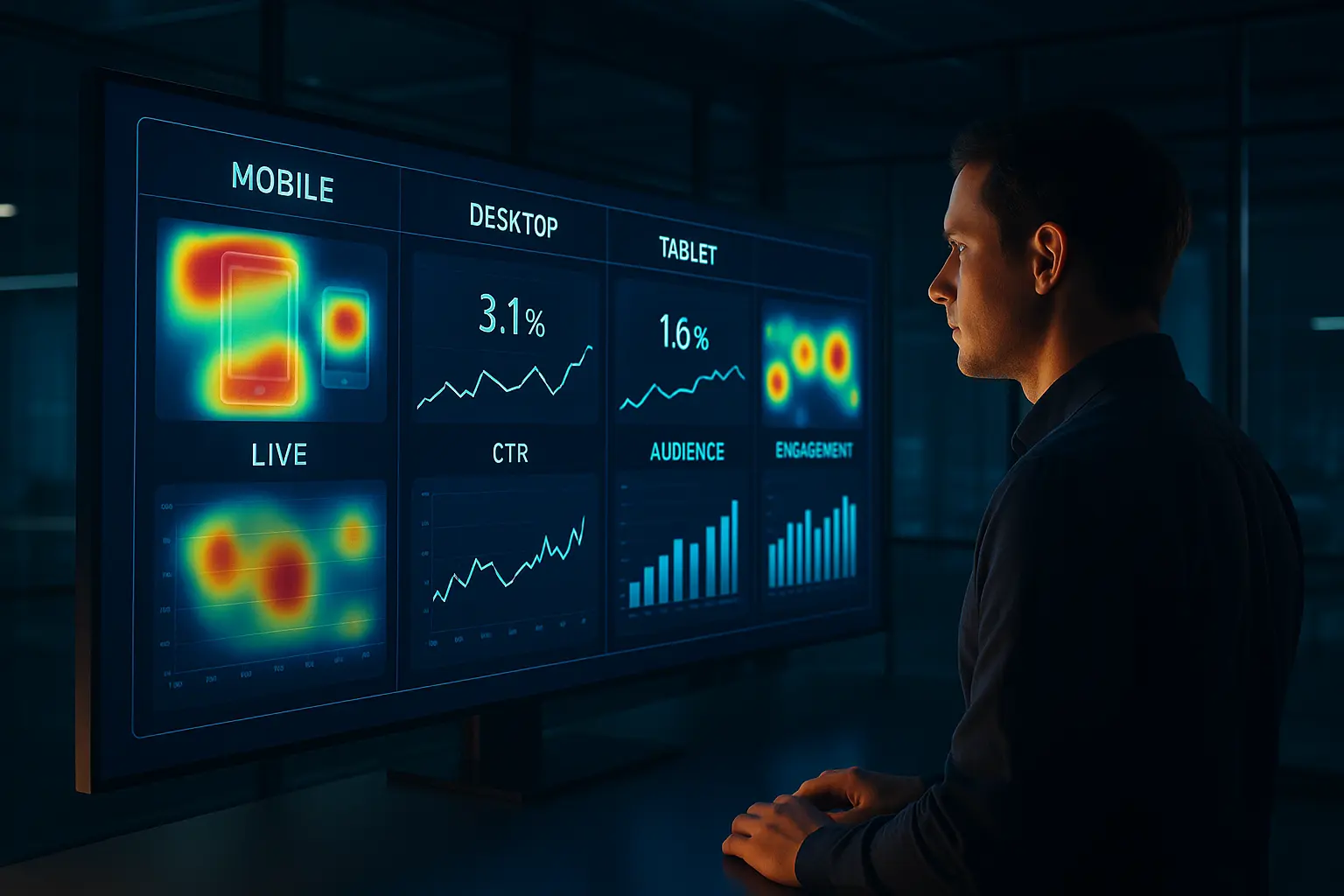
To stay competitive and proactive, understanding the breadth of available video marketing stats is key. Beyond basic view counts, advanced data types now include heatmaps of audience interaction, retention curves, post-sale engagement analytics, and channel-specific performance. With 2026 video marketing trends emphasizing personalized, mobile-first experiences, these nuanced data points paint a multidimensional view of both content performance and shifting B2B buyer habits.
By regularly reviewing these data types, businesses can adapt their creative and strategic approaches, ensuring they stay ahead of market changes and meet the evolving needs of their B2B audience. This thorough approach to video analytics complements broader digital marketing strategies and is essential for brands looking to lead in the next era of content-driven growth.
How to Choose the Right Video Marketing Strategies for Your B2B Brand
Choosing the right video marketing strategies can feel like navigating a minefield. You know video is crucial, but with so many options, how do you pinpoint the tactics that will truly resonate with your B2B audience and drive results? It’s not just about churning out videos; it’s about crafting a strategic approach that aligns with your business goals and buyer behavior.
Before diving into specific strategies, take a hard look at your current marketing objectives. Are you focused on lead generation, brand awareness, or customer retention? Your goals will dictate the types of videos you create and where you distribute them. Also, consider your audience: What are their pain points? What information are they seeking? Tailor your video content to address their specific needs and preferences. Think about the B2B buyer behavior video statistics that show how your audience consumes video content. What platforms do they use most? What video formats performance data resonates with them?
Budget is another crucial factor. Some strategies, like creating in-house explainer videos, might be more cost-effective initially, while others, like partnering with a video agency, offer higher production value but come with a bigger price tag. Finally, think about measurability. Can you track the success of each strategy with B2B video engagement stats? Choose strategies that allow you to monitor key metrics and make data-driven adjustments along the way, keeping an eye on 2026 video marketing trends.

Align Video Content to the Buyer’s Journey
One of the most effective ways to drive engagement and maximize ROI with video marketing is to map your audience and their buyer journey. This strategy centers on deeply understanding your ideal B2B buyers—their unique challenges, key decision drivers, and the questions they ask at every stage of their purchasing process. By aligning each piece of video content with these stages, you can deliver highly relevant messaging that directly addresses their needs, increasing the likelihood of conversion.
Begin by creating detailed buyer personas using B2B buyer behavior video statistics and current video content consumption data. Next, outline each phase of your buyers’ journey: awareness, consideration, and decision. For each stage, identify common pain points and questions, then develop targeted video formats—like explainer videos for awareness or product demos for decision-making—using the latest B2B video engagement stats and 2026 video marketing trends as a guide. This approach is ideal for B2B marketers and sales teams aiming to shorten the sales cycle and boost qualified leads.
Benefits include higher engagement, better-qualified leads, and more effective sales enablement, as proven by recent video marketing stats. When every video serves a clear purpose within the buyer journey, your content doesn’t just inform—it converts.

Quantify ROI with Video Views and Engagement Metrics
Measuring your ROI through video views and engagement is a cornerstone strategy for maximizing the impact of your video marketing efforts. In 2026, video marketing stats (statistics) reveal that 82% of marketers see a strong return by closely tracking metrics like views, likes, shares, and reposts. These core engagement stats illuminate how B2B audiences interact with your content, helping you decode what resonates and refine future campaigns.
To implement this approach, start with a clear set of goals—are you aiming for broader awareness, deeper engagement, or direct conversions? Use robust analytics tools to collect data on each video’s performance: monitor views for reach, then focus on likes, shares, and comments for true B2B video engagement stats. Review this video content consumption data regularly, adjusting video formats and messaging for better results. This strategy is ideal for B2B marketers, content creators, and sales teams intent on aligning video content with measurable business objectives.
The expected benefits include sharper content strategies, improved audience targeting, and tangible proof of your video marketing ROI. As 2026 video marketing trends evolve, using video formats performance data ensures your efforts stay effective and your B2B buyer behavior video statistics drive decision-making.
Pro Tip:
Don’t just look at overall view numbers—segment your audience by demographics and engagement patterns to uncover which topics or formats resonate most with key decision-makers.

Prioritize Mobile-First Video Creation
With mobile devices accounting for a massive share of video content consumption data and video ad spending, optimizing your video marketing strategy for mobile viewers is no longer optional—it’s essential. B2B video engagement stats tell us that business decision-makers are increasingly watching branded videos on their smartphones between meetings, during commutes, and even while researching business solutions on the go. In 2026, this trend is only projected to intensify as mobile performance outpaces that of desktops.
To implement this strategy, start by designing videos specifically for vertical or square formats that display perfectly on smartphone screens. Use large, readable text overlays, punchy visuals, and concise messaging to capture attention within the first few seconds. Ensure fast load times by compressing video files without compromising quality, and always add captions since many users watch without sound. Marketers in B2B spaces, SaaS companies, and professional service providers will benefit most by addressing mobile viewing habits reflected in the latest video formats performance data.
By optimizing for mobile, you’ll see stronger engagement rates, wider reach, and increased social shares—directly reflecting the evolving B2B buyer behavior video statistics and the most actionable 2026 video marketing trends.
Pro Tip:
Analyze your video analytics to see which devices your audience uses most, and adjust your content strategy to favor high-performing mobile formats for deeper engagement.

Leverage AI Tools for Efficient Video Creation
Harnessing artificial intelligence in video production has rapidly become a game-changer, with 63% of video marketers now utilizing AI as part of their workflow. This surge isn’t just a fleeting 2026 video marketing trend—the data shows that AI tools significantly boost efficiency, creativity, and ROI. By automating tasks like editing, scripting, and even generating custom visuals from text, AI enables teams to produce more engaging content, faster and often at lower cost.
To integrate this strategy, start by identifying repetitive video tasks that could be automated, such as captioning or scene assembly. Next, research and adopt reputable AI-powered video tools tailored to your business size and needs. Many platforms offer intuitive, user-friendly solutions that allow both beginners and pros to streamline production without needing advanced technical expertise. B2B marketers, agencies, and brands seeking to keep pace with evolving B2B buyer behavior video statistics will especially benefit—AI shortens turnaround, personalizes content, and aligns perfectly with current video content consumption data.
The outcome? Higher B2B video engagement stats, more polished and diverse video formats, and a data-driven workflow that keeps your brand ahead as video marketing stats (statistics) evolve into 2026.
Pro Tip:
Experiment with AI tools that analyze video formats performance data to continuously optimize your outputs. Regularly monitor new releases, since AI capabilities improve quickly, delivering even more powerful results over time.

Focus on Short, Engaging Video Content
In today’s B2B landscape, creating concise video content is more than a trend—it’s a proven strategy backed by recent video marketing stats. Data shows that viewers overwhelmingly prefer videos under one minute, resulting in higher completion rates and better message retention. As attention spans shrink and video content consumption data climbs, B2B brands can’t afford to overlook the power of brief, captivating clips.
To implement this approach, start by identifying your core message and distilling it into its most essential points. Script your video to deliver value quickly and avoid unnecessary elements that may dilute engagement. Use eye-catching intros and purposeful visuals to hook viewers within the first few seconds. Analyze video formats performance data to optimize for the platforms your audience frequents most, such as LinkedIn or email campaigns.
This strategy is ideal for B2B marketers looking to increase engagement, drive action, and cater to buyers identified in recent 2026 video marketing trends. You can expect improved viewer retention, better comprehension of key points, and measurable boosts reflected in B2B video engagement stats.
Pro Tip:
Always test different video lengths and review B2B buyer behavior video statistics to refine exactly what resonates with your audience. Aim to keep videos under 60 seconds, especially for top-of-funnel content.

Shift Your Focus to Online Platforms for Maximum Impact
Transitioning your video marketing efforts from traditional TV to online platforms like YouTube, Facebook, and Twitter is a must in today’s digital landscape. Recent video marketing stats (statistics) show that most B2B buyers and everyday consumers spend more of their leisure — and research — time on digital channels. By reallocating ad budgets to these online spaces, you can connect with a much wider and more actively engaged audience, ultimately driving better B2B video engagement stats and sharper ROI.
To implement this strategy, start by analyzing where your target audience is most active using video content consumption data. Next, develop tailored content designed for each platform, focusing on the video formats performance data — for example, short vertical videos for mobile-first platforms or explainer videos for LinkedIn. Monitor your campaigns with real-time analytics to quickly iterate and refine your approach based on ongoing B2B buyer behavior video statistics. Strong multi-channel marketing performance can be achieved by effectively leveraging these digital touchpoints and adapting content to each channel’s unique audience.
This shift is especially effective for B2B marketers looking to tap into modern 2026 video marketing trends and elevate engagement beyond what’s possible with TV. Expect measurable gains in reach, lead quality, and brand visibility by meeting your audience where they are: online.
Pro Tip:
Test different video formats and publishing times on each platform, and leverage built-in analytics tools to identify high-performing content and optimize your strategy accordingly.

Accelerate Video Creation with Tools & Strategic Partnerships
Creating high-quality videos can be a challenge for many B2B marketers, but leveraging specialized tools and external partners is a game-changer. By adopting platforms like Vidyard, Loom, or Biteable, or teaming up with experienced video agencies, you streamline the production process and ensure your content remains professional without overwhelming your internal team. This approach is becoming even more critical as 2026 video marketing trends highlight increased demand for regular, engaging video output and reveal rising B2B buyer expectations for polished, insightful content.
To implement this strategy, start by evaluating your current video content needs and identifying gaps in expertise or resources. Select the right tools or agency partners that align with your goals—look for solutions that simplify scripting, editing, and publishing. Next, clearly document your brand guidelines and messaging to ensure consistency. Collaborate closely with partners, harnessing their production skills while retaining control over strategy and narrative.
B2B marketers, sales enablement teams, and brands aiming to scale campaigns without sacrificing quality stand to benefit the most. Access to robust video marketing stats (statistics) also enables smarter investments, as you can measure formats’ performance data and B2B video engagement stats. The outcome? Faster content creation, improved ROI, and higher B2B buyer engagement. If you’re considering external support to maximize your video marketing strategy, Contact our marketing team to discuss how you can accelerate results.
Pro Tip:
Choose tools that integrate with your CRM or sales platforms to track viewer analytics—these B2B buyer behavior video statistics can help you refine your approach for peak results.

Prioritize Educational and Insightful Video Content
Leveraging informative video content is a winning strategy for B2B marketers aiming to capture and retain audience attention. Recent video marketing stats highlight that businesses overwhelmingly consider educational and insightful videos as top performers—these formats not only boost engagement but also position companies as trustworthy industry leaders. By sharing in-depth knowledge, addressing customers’ pain points, and providing actionable tips, businesses can foster trust, clearly present their value proposition, and nudge B2B buyers along the purchasing journey.
To implement this approach, start by identifying the key questions, challenges, or content marketing trends your target audience faces—look to B2B buyer behavior video statistics and 2026 video marketing trends for inspiration. Map out a video series tackling these pain points, utilizing guides, explainers, demos, or thought leadership interviews. Script your content to be concise yet comprehensive, and support claims with relevant data. This strategy is especially effective for B2B technology vendors, SaaS companies, consultants, and any business where trust and authority drive conversions.
Expected benefits include higher B2B video engagement stats, improved video content consumption data, and a marked increase in qualified leads, as prospects value brands that help them make well-informed decisions.
Pro Tip:
- Track video formats performance data to continually refine your content mix.
- Use real customer questions to shape your video topics, ensuring relevance and authenticity.

Leverage Video Content for SEO and Organic Web Traffic
Integrating video content into your website is a gamechanger for boosting SEO and attracting more organic visitors. Video marketing stats consistently show that websites featuring video are considerably more likely to appear on Google’s coveted first page. Videos increase how long users stay on your webpages—a crucial ranking factor. Not only do they make your content more interactive and engaging, but search engine algorithms actively favor rich media experiences.
To harness this strategy, start by embedding relevant videos on your high-traffic and cornerstone pages. Optimize video titles, descriptions, and transcripts with target keywords such as “video marketing stats” and related 2026 video marketing trends. Next, use schema markup so search engines can easily index your video content. Regularly update your video library to maintain high B2B video engagement stats and keep up with evolving B2B buyer behavior video statistics.
This strategy is ideal for digital marketers, content strategists, and B2B companies aiming to enhance site visibility and capture leads. Expect higher site traffic, improved dwell time, and a competitive edge in search rankings thanks to compelling video content consumption data and diverse video formats performance data.
Pro Tip:
Host your videos on platforms that won’t slow down site speed, and always provide captions to support accessibility and boost search indexing.

Elevate Retention and Advocacy with Post-Sale Video Content
Most B2B marketers focus on lead generation services and video content to attract and convert leads, but the real magic happens after the sale. Post-sale video, like onboarding guides, advanced product walkthroughs, and client success stories, builds ongoing value and fosters loyalty well past the closed deal. According to recent video marketing stats (statistics), nurturing post-sale relationships through video drives higher product adoption, reduces customer churn, and increases the likelihood of turning satisfied clients into brand advocates.
Implementation starts by mapping out your customer journey after purchase. Create engaging onboarding and training videos to ensure users get off to a smooth start, followed by an evolving library of tutorials to drive mastery and ongoing engagement. Don’t overlook customer testimonial or “how we succeed” stories—these fuel word-of-mouth and are proven by B2B buyer behavior video statistics to increase advocacy in modern sales cycles.
This strategy is essential for customer success teams, SaaS providers, and any B2B company aiming to increase lifetime value and referrals. Expect boosted loyalty, better user outcomes, and expanded influence, as 2026 video marketing trends underscore post-sale engagement as a differentiator.
Pro Tip:
Regularly gather feedback and update your post-sale videos with fresh insights and user success examples to ensure content stays relevant and engaging as your offerings evolve.
Conclusion
The insights gleaned from B2B video engagement stats and video content consumption data underscore the undeniable power of video in shaping B2B buyer behavior. As we approach 2026, it’s clear that a data-driven approach to video marketing is no longer optional but essential for achieving meaningful engagement and ROI. Keeping abreast of the latest 2026 video marketing trends and understanding video formats performance data will enable you to refine your strategies and connect with your audience effectively.
The future of video marketing lies in personalization, interactivity, and seamless integration across multiple platforms. By leveraging these strategies, businesses can create more immersive and impactful experiences that drive conversions and foster long-term relationships.
Ready to elevate your video marketing strategy? Explore more insights and discover how a Full-service digital marketing agency can help you achieve your business goals.
Note: This blog’s images are sourced from Freepik.