
Introduction: Navigating the Evolving Landscape of Healthcare Lead Generation
Why Lead Generation Matters for Medical Practices
Lead generation—the process of attracting individuals interested in your services and creating channels for them to connect with your practice—is essential for healthcare growth. Even with strong patient retention, acquiring new patients remains critical for operational sustainability and expansion.
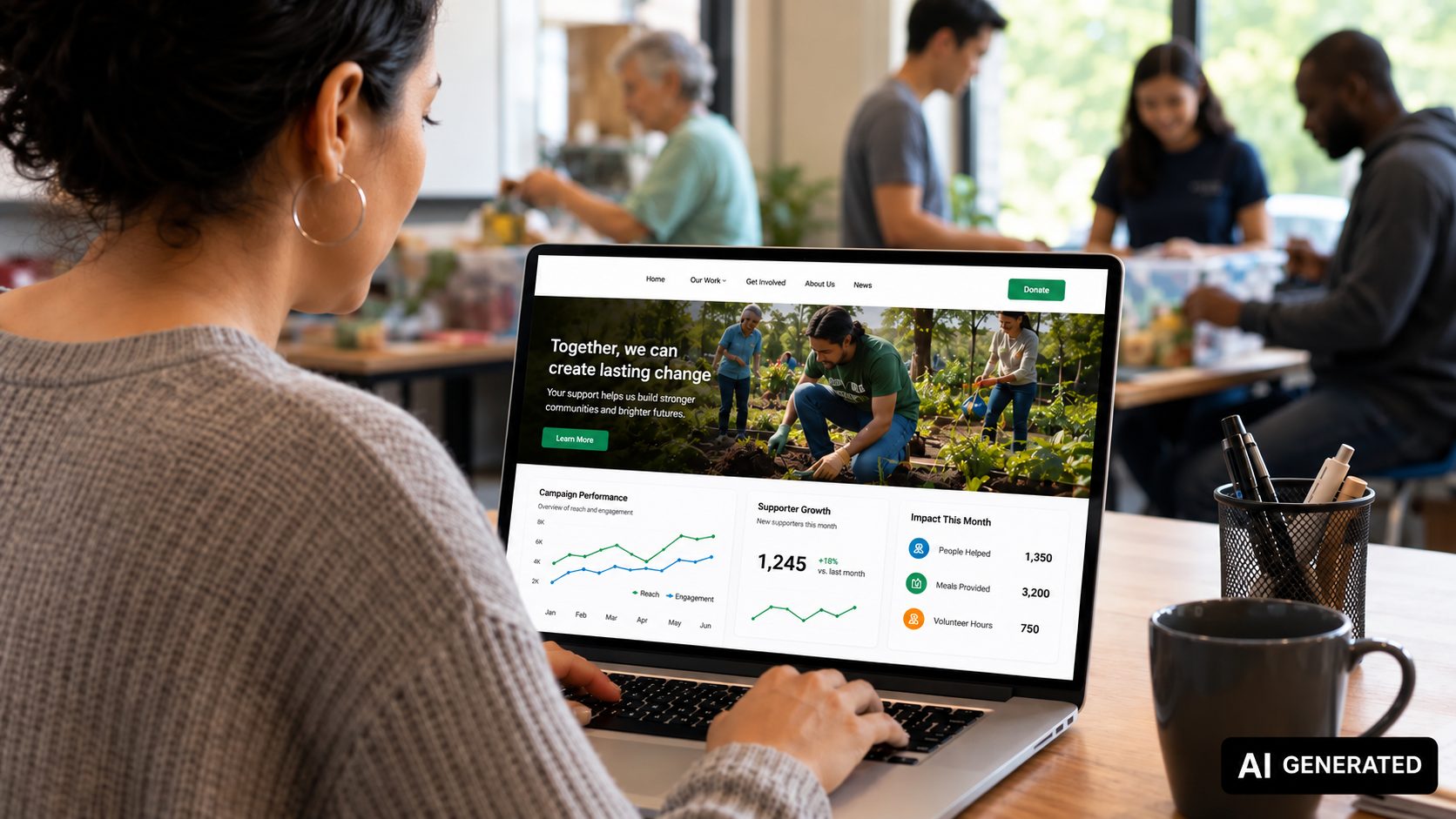
The healthcare industry is shifting from traditional to digital marketing, driven by how patients now research and select providers. Most healthcare searches begin online, making digital presence and lead generation fundamental to growth rather than supplementary tactics. Organizations investing in online lead generation consistently outpace those relying solely on offline methods.
The Digital-First Patient Journey
Patient behavior has fundamentally changed. Over a third of adults search online for medical symptoms or diagnoses, making health information websites valuable lead sources. Convenience drives decision-making: two-thirds of patients prefer online appointment booking, and more than half of Gen Xers and Millennials would switch providers to access this feature.
Trust and reputation now live online. Reviews influence provider selection for the vast majority of patients, with negative feedback directly impacting patient acquisition. Yet traditional word-of-mouth remains powerful, with half of patients basing decisions on recommendations from friends and family.
Operating in a Competitive, Regulated Environment
Healthcare lead generation faces distinct challenges. The industry is highly competitive, with patients choosing services based on trust, reputation, and convenience rather than price alone. Privacy regulations add complexity, requiring careful handling of patient data throughout the lead generation process. Quality matters more than volume—a smaller number of qualified leads who convert into long-term patients delivers better outcomes than high-volume, low-intent traffic.
The future is digital, data-driven, and personalized. Advancements in AI, automation, and predictive analytics are making lead generation more efficient and effective, enabling medical practices to identify and engage the right prospects at the right time.
How Healthcare Leads Are Generated: The Patient’s Discovery Path
The patient journey begins long before a phone call or appointment. Most prospective patients start with online research, searching for symptoms, diagnoses, and provider options. This initial discovery phase is where healthcare lead generation truly begins—when someone moves from passive awareness to active information-seeking.
Decision Factors That Convert Leads
Once prospects enter your funnel, specific touchpoints determine whether they convert. 81% of patients consider reviews when choosing a healthcare provider, evaluating user feedback, star ratings, and total review volume. Negative feedback creates immediate friction—a substantial portion of patients refuse to see providers with poor reviews.
Convenience features also drive conversion. Online appointment scheduling ranks as a high priority, with a clear majority of patients preferring to book digitally. Younger demographics—Gen Xers and Millennials—will switch providers entirely if online scheduling isn’t available.
Word-of-Mouth as a Lead Channel
Referrals remain one of the most effective healthcare marketing channels. Half of surveyed patients choose their healthcare practice based on recommendations from friends and family. Trust in personal suggestions outweighs all other marketing types globally.
This makes the in-office experience a lead generation tool itself. Digital signage, clear navigation, and helpful health information improve patient satisfaction, which translates to positive word-of-mouth and referrals. Every patient interaction is an opportunity to generate future leads through reputation and recommendation.
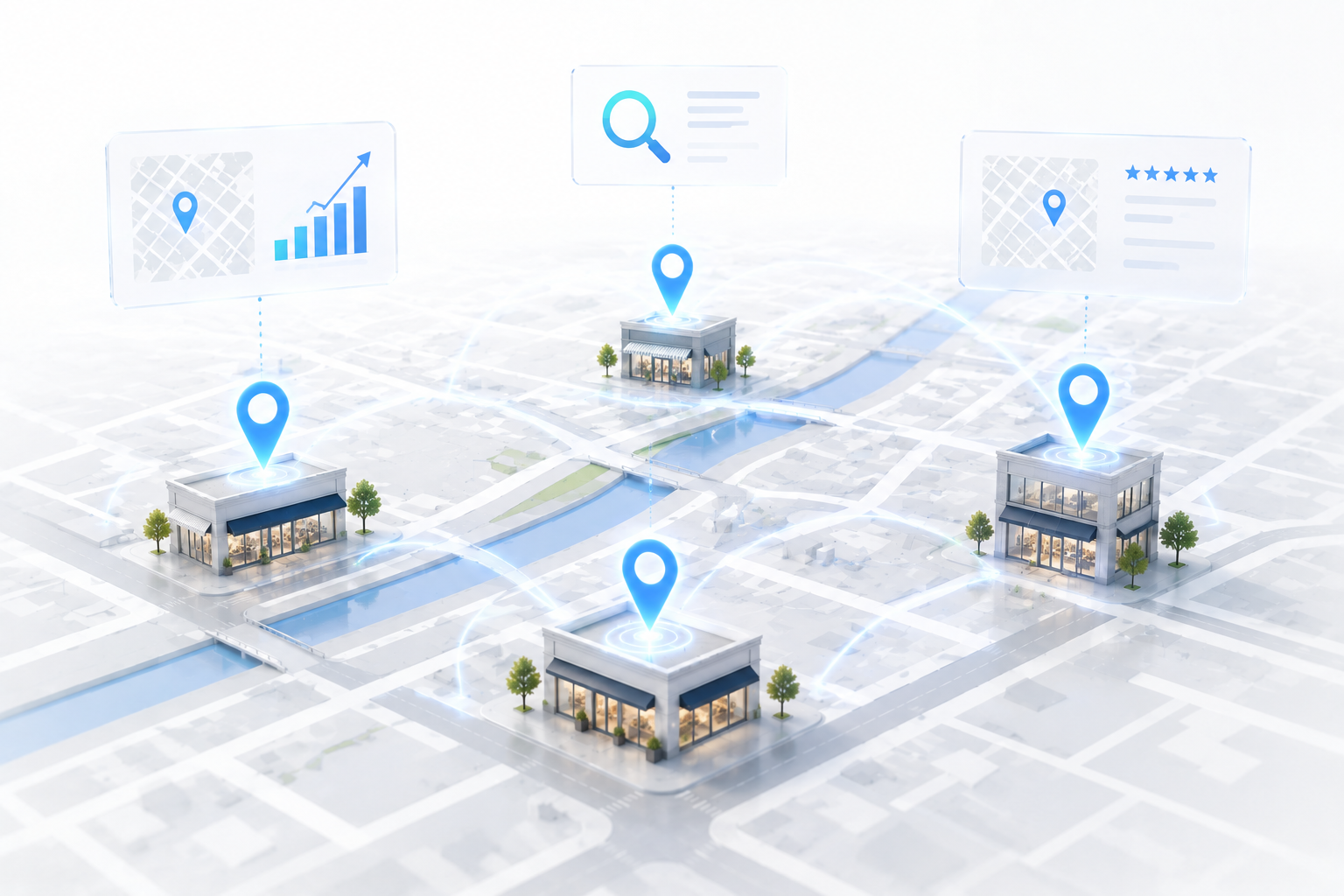
1. Local SEO & Google Maps: Becoming Discoverable in Your Community
Why Local Visibility Matters for Healthcare
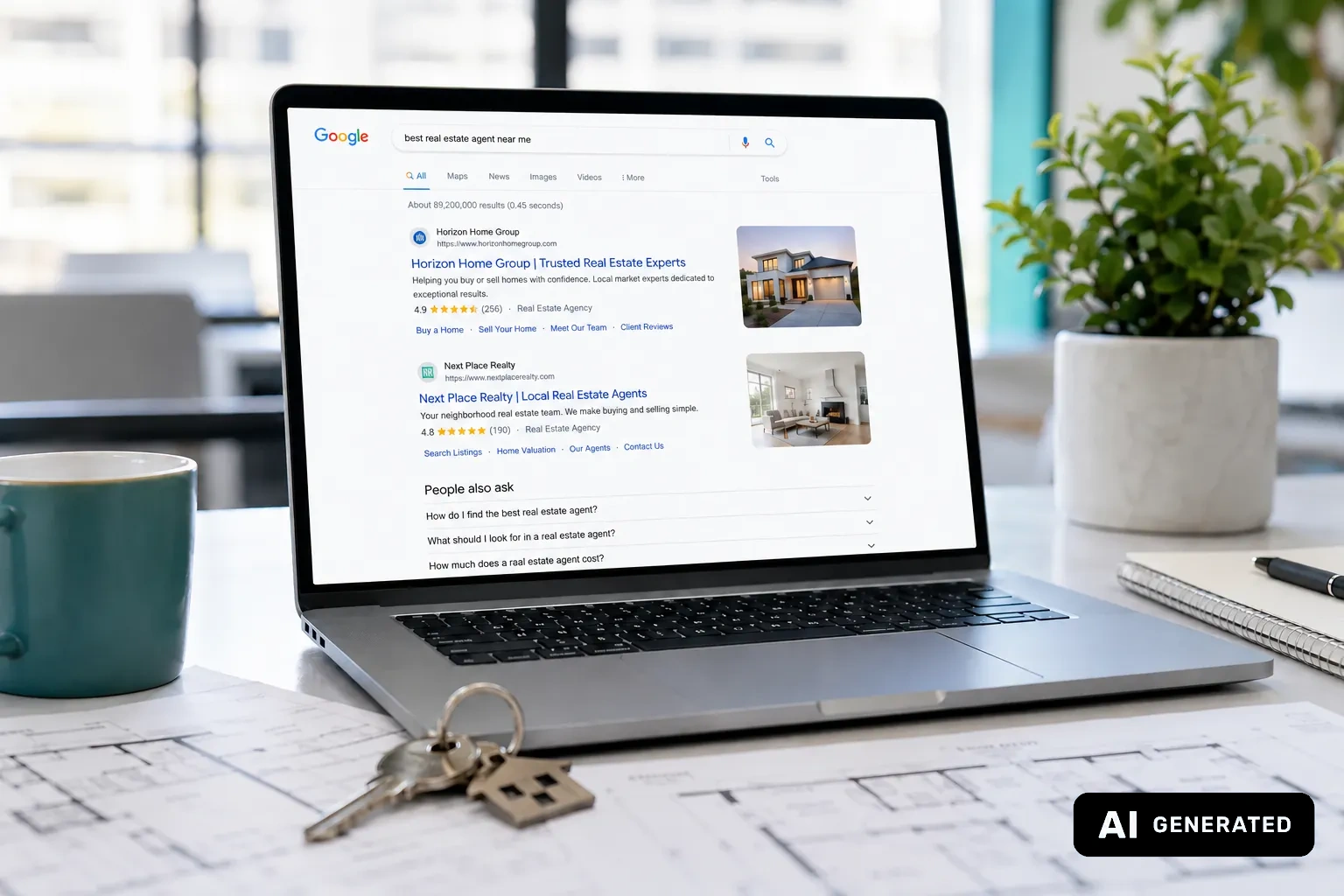
For healthcare providers, visibility is fundamentally local. Patients search for nearby clinics, specialists, and urgent care facilities—not national brands. Google Maps and local search are crucial touchpoints where patient decisions begin. Local healthcare searches carry high intent and time sensitivity: queries like “urgent care near me” or “pediatrician open now” require immediate, accurate results. If your practice doesn’t appear prominently in these moments, you’ve lost the patient before they ever knew you existed.
How Google Evaluates Local Healthcare Providers
Google prioritizes proximity, relevance, trust, and consistency when ranking local results. Your Google Business Profile accuracy, category and service alignment, website-local content match, reviews, and cross-platform consistency all influence where you appear. Small inaccuracies—wrong hours, outdated phone numbers, mismatched addresses—limit visibility and erode patient confidence. Healthcare local SEO requires precision because patients need reliable information, and Google’s algorithms reward providers who deliver it.
The Role of AI in Local Discovery
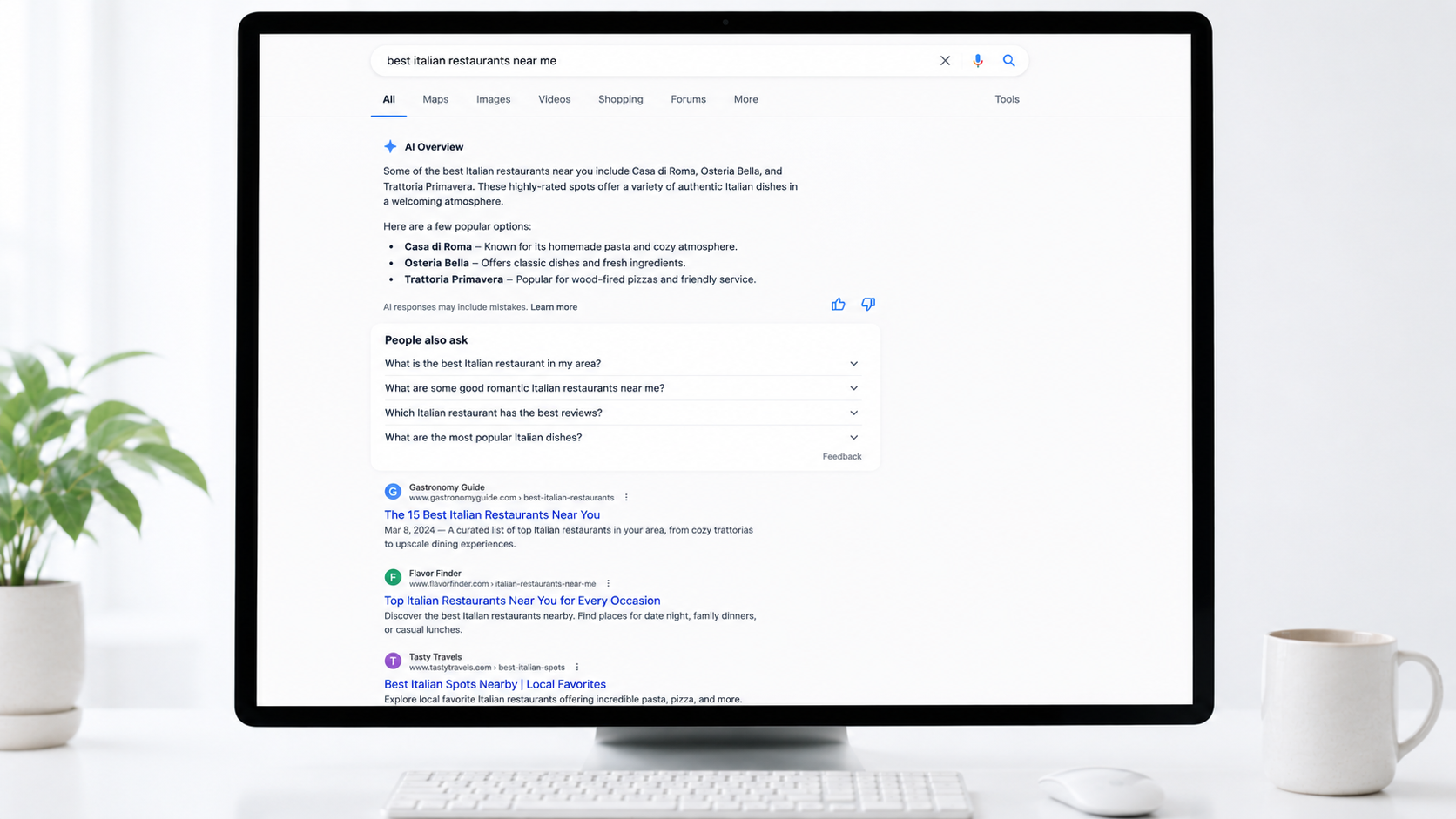
AI systems increasingly rely on local search data for healthcare recommendations. Google AI Overviews, ChatGPT, and Perplexity pull from structured local data to answer patient queries. Local SEO helps these systems understand who you serve, what services you provide, where you’re located, when patients can visit, and why you’re trustworthy. This clarity improves visibility not just in Google Maps, but across AI-assisted search and recommendation engines.
Practical Implementation
Effective local SEO for healthcare includes Google Business Profile optimization, location page development, local keyword mapping, review strategy, and technical SEO audits. Primary care clinics use it to become the first point of contact. Urgent care centers rely on it for time-sensitive searches. Dental practices capture various intent-driven queries. Specialists benefit from both referral-driven and patient-initiated discovery. The outcome: higher Google Maps visibility, increased calls and direction requests, more appointment inquiries, and stronger patient confidence—all rooted in accuracy, compliance, and long-term algorithm stability.
2. Google Local Services Ads: Trust-Building at the Top of Search
Prime Placement and the Pay-Per-Lead Model
Google Local Services Ads place medical practices at the very top of search results—above traditional Google Ads and organic listings. This positioning gives healthcare providers immediate visibility when potential patients search for local services. Unlike standard PPC campaigns, LSAs operate on a pay-per-lead model: you only pay when someone contacts your practice through the ad. This removes wasted spend on clicks that don’t convert and aligns cost directly with patient acquisition.
The Google Guarantee Badge
The defining feature of LSAs is the Google Guarantee badge. This badge signals trust and credibility, reassuring patients that your practice has passed Google’s verification process. For healthcare providers—where trust is a prerequisite to conversion—this badge can be the difference between a scroll and a call. The verification process includes business verification, background checks, and insurance verification, ensuring only vetted providers earn the badge.
Expanded Healthcare Verticals
Google has rapidly expanded LSA availability across healthcare. As of early 2023, dentists were the first healthcare vertical added. By April 2023, ten new categories joined the platform: allergists, chiropractors, dermatologists, dietitians, ophthalmologists, optometrists, orthodontists, physical therapists, podiatrists, and primary care physicians. Google continues to roll out additional verticals, and early adopters gain a competitive edge before the space becomes saturated.
Optimization and Lead Management
To maximize LSA performance, keep your Google Business Profile current, focus on high-intent keywords, and monitor lead quality closely. Use call analytics to track which leads convert and adjust your targeting accordingly. Respond to inquiries quickly—speed matters in healthcare, where patients often contact multiple providers. LSAs streamline lead management by consolidating contact information and inquiry details in one dashboard, making it easier to follow up and measure ROI.
For practices looking to integrate LSAs into a broader acquisition strategy, consider pairing them with healthcare PPC campaigns to cover both local and broader search intent.
3. Healthcare PPC: Targeted Advertising for Immediate Impact
Pay-per-click advertising delivers immediate visibility for medical practices competing in high-intent search environments. Unlike organic strategies that require months to build momentum, PPC places your practice at the top of search results when patients actively seek care—often converting new appointments within 24–72 hours of launch.
Why PPC Works for Patient Acquisition
Healthcare searchers demonstrate clear intent. Terms like “urgent care open now,” “pediatric dentist near me,” or “therapist for back pain” signal patients ready to book. PPC captures this demand at the decision point, driving consistent appointment inquiries with transparent cost-per-lead control.
The model is cost-efficient: you pay only when users click. Google Ads remains the primary channel for search volume and advanced segmentation. Microsoft Advertising suits tighter budgets and skews toward higher-income demographics. Facebook enables precise interest and behavior targeting with visual formats, though healthcare content faces strict policy review. LinkedIn excels for B2B health brands reaching decision-makers and clinicians.
Execution Fundamentals
Effective campaigns start with keyword segmentation by patient journey stage: informational keywords for awareness (“causes of knee pain”), comparative terms for consideration (“orthopedic specialist near me”), and booking-focused phrases for decision (“book a gynecologist appointment”). Geo-targeting reduces waste and improves conversion rates by focusing spend on serviceable locations.
Landing pages must match ad intent—relevant content, fast load times, mobile optimization, and frictionless appointment forms. Track performance through CTR, conversion rate, cost-per-acquisition, and Quality Score. Continuous A/B testing of ad copy, headlines, and landing page elements refines efficiency over time.
Compliance is non-negotiable. Ensure HIPAA adherence, secure data handling, and platform-specific policy compliance before launch. Many specialized lead generation services manage these requirements alongside campaign execution for practices lacking in-house expertise.
4. Content Marketing + SEO: Educating and Engaging Your Audience
Content marketing paired with SEO forms the foundation of sustainable healthcare lead generation. This isn’t about publishing blog posts and hoping for traffic—it’s about creating a system that positions your practice or health brand as the authoritative answer to patient questions while search engines are actively looking for solutions.
Why Content + SEO Works for Medical Lead Generation
Medical SEO operates 24/7, attracting new patients by matching your content to their search intent. Search engines rank healthcare websites based on four factors: relevance (does your content answer the query), authority (is your site trusted), user experience (mobile-friendly, fast loading, clear navigation), and engagement (time on site, interaction depth).
Healthcare content marketing bridges the information gap between patients and providers. Patients lack specialized medical knowledge, so your content must be accurate, accessible, and genuinely helpful—not just keyword-stuffed pages. Bad content in healthcare is worse than none; it erodes trust and can expose your organization to legal risk.
Building Authority Through Strategic Content
Start with keyword research using tools like Google Keyword Planner or SEMrush to identify high-volume, low-competition terms. Place keywords strategically: page titles (under 60 characters), meta descriptions (under 160 characters with a call-to-action), headers (H1 for primary, H2/H3 for secondary keywords), body content, URLs, and image alt text.
Content types that drive patient acquisition include blog posts breaking down complex conditions, videos showing treatments or patient stories, infographics for data visualization, and webinars for live Q&A. For B2B health brands targeting referring physicians, whitepapers covering clinical studies and specialized expertise perform well.
Authority comes from having qualified medical professionals review content and earning backlinks from credible healthcare websites. Consistency matters more than volume—maintain a content calendar aligned with patient needs and SEO goals, then track performance through Google Analytics and Search Console to refine what works.
5. Social Proof and Testimonials: Building Trust Through Patient Voices
Social proof is a psychological mechanism where people look to others’ experiences to inform their own decisions. In healthcare, this translates to patients seeking reviews, testimonials, and recommendations before choosing a provider or treatment. According to a 2022 survey, the vast majority of consumers read online reviews before making a decision for a product or service—a behavior that applies equally to medical practices and health brands.
Generating and Displaying Reviews
Online reviews function as a primary trust signal for prospective patients evaluating medical practices. Google ratings and recent review volume directly influence local search visibility, patient acquisition, and practice reputation. Yet most clinics struggle with consistent review generation—staff prioritize immediate tasks over follow-ups, providers feel uncomfortable asking, and patients forget or find the process too complicated.
Automated review request systems integrate with practice management systems and EHRs to trigger review requests after key patient touchpoints—post-appointment, post-discharge, or following specific procedures. Smart routing is critical: satisfied patients receive links to public review sites, while dissatisfied patients are directed to private feedback channels. This approach allows practices to address concerns before they become public negative reviews, protecting reputation while improving patient retention.
Collecting Patient Testimonials at the Right Moment
Timing matters when requesting testimonials. The optimal window for healthcare is 3 days to 1 week after care, when the experience is still fresh and emotions are positive. For practices focused on functional outcomes, ask at completion-of-care moments—when patients have reached their goals or finished treatment. Train staff to use patient-centered scripting: compliment the patient, explain that their story helps others, and frame it as a voluntary gift. Make the process easy by offering multiple options: a Google Review link, a video testimonial recorded in-clinic with a phone and tripod, or a simple online form.
Showcasing Diverse Patient Stories
Broad representation strengthens credibility. Include testimonials from diverse age groups, backgrounds, and treatment types to resonate with a wider audience. Video testimonials convey emotion and authenticity more effectively than text alone. Frame stories in a narrative format—diagnosis, treatment, and recovery—to help prospective patients see themselves in the journey. For specialties like plastic surgery, dermatology, or dentistry, HIPAA-compliant before-and-after photos or videos provide tangible evidence of successful outcomes.
Monitor major review platforms regularly—Google, Healthgrades, and Yelp. Respond to negative reviews professionally: acknowledge the experience, apologize if appropriate, and suggest taking the conversation offline. Even negative reviews, when handled well, demonstrate a commitment to improvement. Feature positive reviews prominently on your website, share them on social media, and include patient stories in email newsletters. Display credentials, awards, and certifications from recognized organizations like the Joint Commission to reinforce authority.
Always obtain explicit, HIPAA-compliant consent before using patient stories or images, and anonymize details where necessary. Social proof is both a marketing and retention strategy—current patients who see others succeed are more likely to stay engaged, while new patients enter with higher trust and lower acquisition costs.
6. Email Nurture for Past Patients: Sustaining Relationships and Encouraging Re-engagement
Re-engaging past patients is a core component of healthcare lead generation that many practices overlook. Email marketing provides a direct, cost-effective method for maintaining relationships with patients who have moved on or simply fallen out of touch. The goal is not to push new appointments aggressively, but to stay present and valuable so that when a healthcare need arises, your practice is the first they consider.
Build Value-Driven Nurture Sequences
Automated email sequences allow you to send timely, relevant content without manual effort. Structure these campaigns around patient needs: appointment reminders, preventative care nudges, follow-up check-ins after treatment, and educational content tailored to their health history. Personalized content—addressing specific conditions, past visits, or seasonal health concerns—drives higher engagement than generic messaging. Segmentation is essential here. Group past patients by condition, treatment history, or demographics to deliver targeted messages that feel relevant rather than mass-produced.
Tactics That Bring Patients Back
Effective re-engagement emails include personalized health tips, updates on new services or technology at your practice, and special promotions for returning patients. Request feedback periodically to signal that their opinions matter and to identify friction points in their experience. Remind patients about routine check-ups or overdue follow-ups—these nudges often convert because the need already exists; patients simply forgot or deprioritized it. Share practice updates, health news, and educational resources to maintain top-of-mind awareness without being transactional.
The key is consistency and relevance. Regular communication keeps your practice visible when past patients need care again, whether for themselves or referrals. Email nurture is not a one-time campaign—it’s an ongoing system that sustains patient relationships and converts dormant contacts into active revenue.
7. Telehealth Landing Pages: Streamlining Access to Virtual Care
A telehealth landing page is not an information hub—it’s a conversion tool. Unlike content-rich pages that answer general questions, a landing page is built to drive one specific action: booking an appointment, signing up for virtual care, or requesting a consultation. Every element should align with that primary conversion goal.
Reduce Navigation, Increase Focus
The most effective telehealth landing pages minimize navigation options. Remove header menus, sidebars, and external links that pull attention away from the call to action. The entire page should function as one cohesive CTA, guiding visitors toward sign-up or booking without distraction. Place your primary CTA above the fold—visible immediately upon page load—and repeat it strategically throughout the page.
Build Trust with Social Proof and Credentials
Telehealth is still unfamiliar to many patients, so trust-building is essential. Use testimonials, reviews, and provider credentials to establish credibility. Display certification badges such as HIPAA compliance or LegitScript approval prominently. Include photos or profiles of healthcare professionals with clear qualifications. Before-and-after visuals or patient success stories can further reinforce confidence in your virtual care services.
Optimize for Mobile and Speed
A significant portion of healthcare searches happen on mobile devices. Your telehealth landing page must be fully responsive, adapting seamlessly to smartphones and tablets. Slow load times or clunky animations will kill conversions. Test performance across devices and prioritize fast, clean experiences.
Simplify Intake Forms
Conversion forms should collect only essential information upfront. Multi-step forms with progress bars reduce friction and improve completion rates. Use conditional logic to personalize questions based on user input, and reinforce the goal at each step—remind users what they’re signing up for and why it matters.
Align SEO with Conversion
Incorporate long-tail keywords naturally throughout the page. Place your primary keyword—such as “healthcare lead generation” or “patient acquisition strategies”—in the header, URL, and meta description. Secondary keywords should appear in subheadings and body copy without forcing density. The goal is to rank while maintaining a clear, persuasive message that converts visitors into patients.
8. Healthcare Chatbots: Enhancing Patient Engagement and Efficiency
Healthcare chatbots are AI-powered software applications that simulate human conversation through text or voice interfaces. Integrated into websites, mobile apps, and social media platforms, they provide 24/7 accessibility for patient inquiries, appointment scheduling, and administrative tasks. For medical practices struggling with overloaded reception staff and missed appointment opportunities, chatbots address operational bottlenecks while improving patient experience.
Core Functions That Drive Lead Conversion
Chatbots handle scheduling, intake, billing, and post-visit coordination around the clock, freeing clinical staff to focus on patient care. A scheduling agent can check availability, collect patient history, verify insurance, and confirm appointments directly in EHR systems like Epic or Cerner. For billing inquiries, chatbots resolve explanation-of-benefits questions without human intervention. When urgent symptoms or clinical questions arise, the system escalates to a nurse navigator with a full conversation transcript attached.
Patient no-shows represent a significant operational cost in healthcare. Automated confirmations, day-before reminders, and frictionless rescheduling options reduce no-shows and capture leads that would otherwise slip through administrative cracks.
Implementation Requirements
Effective healthcare chatbots require HIPAA and BAA compliance, deep EHR integration with platforms like Epic, Cerner, or Athenahealth, clinical escalation logic for triaging inquiries, and multi-channel deployment across websites, patient portals, WhatsApp, and SMS. Most organizations deploy their first AI agent within three to four weeks using no-code visual editors and pre-built integrations.
Beyond appointment booking, chatbots support lead nurturing through personalized health tips, medication reminders, prescription updates, and routine examination scheduling. They collect data on patient needs and preferences, providing insights that inform broader healthcare marketing strategies. For practices focused on patient acquisition, chatbots eliminate friction at the first point of contact—the moment when most leads decide whether to engage or move on.
9. Referral Programs: Harnessing the Power of Word-of-Mouth
Referral programs remain one of the most effective healthcare lead generation channels available to medical practices and health brands. Unlike paid acquisition channels, referrals leverage existing patient satisfaction and professional networks to generate qualified leads with higher conversion potential and lower acquisition costs.
Building a Functional Referral System
A working healthcare referral program requires four structural elements: clear objectives that define what success looks like, low-friction participation mechanisms for both referrers and new patients, incentives that align with healthcare compliance standards, and consistent communication that keeps the program visible without becoming intrusive.
Digital tools have made referral program management more practical. Automation handles tracking, attribution, and reward fulfillment—tasks that previously required manual coordination and often resulted in incomplete follow-through. This infrastructure allows practices to scale referral volume without proportional increases in administrative overhead.
Types of Healthcare Referrals
Healthcare referrals operate differently than standard consumer referrals. In clinical contexts, a referral typically means a primary care physician directing a patient to a specialist or specific service. Insurance companies often mandate these referrals for coverage of specialist visits, making them a structural component of patient flow rather than an optional marketing tactic.
Referral types include regular referrals for routine specialist consultations, urgent referrals when time-sensitive care is needed, and retroactive referrals that formalize care pathways after initial contact. Understanding these distinctions helps practices design referral programs that work within existing clinical and administrative workflows rather than against them.
For medical practices, the goal is to build referral systems that function as reliable lead sources—not one-time campaigns. This means integrating referral tracking into patient management systems, training staff on referral protocols, and monitoring which referral sources generate the highest patient lifetime value.
Conclusion: Building Systems for Sustainable Healthcare Growth
Capture Every Lead
Generating leads is a crucial step in growing any medical practice. Attracting more prospects leads to more leads and more paying patients. But acquisition is only half the equation. The real challenge is ensuring zero lead leakage once those prospects enter your funnel.
After implementing strategies across various channels, the next step is capturing every lead that comes through. This requires a system—not just a collection of tools—to capture, distribute, and manage patient leads across every channel. A patient management platform should automatically capture and distribute leads as they enter the patient journey, eliminating manual handoffs and reducing response time.
Prioritize Infrastructure Over Tactics
Creating and implementing lead generation strategies across various channels is essential to the growth of your practice. But without the infrastructure to support those strategies, even the best campaigns will underperform. The gap between lead generation and patient conversion often comes down to operational discipline: how quickly leads are routed, how consistently they’re followed up with, and how thoroughly they’re tracked.
Focus on building repeatable processes that scale with volume. Map out every touchpoint in the patient journey, from first click to scheduled appointment. Identify where leads drop off and why. Then build systems that address those gaps—whether that’s automated lead routing, CRM integration, or staff training on lead follow-up protocols.
Sustainable growth in healthcare marketing doesn’t come from a single tactic. It comes from layering proven strategies with the operational systems needed to execute them consistently. The practices that succeed long-term are the ones that treat lead generation as infrastructure, not a campaign.
Scopic Studios delivers exceptional and engaging content rooted in our expertise across marketing and creative services. Our team of talented writers and digital experts excel in transforming intricate concepts into captivating narratives tailored for diverse industries. We’re passionate about crafting content that not only resonates but also drives value across all digital platforms.