LinkedIn Organic vs. LinkedIn Ads for B2B: An Overview
LinkedIn has evolved into a B2B research engine where buyers self-educate before contacting sales—reading posts, viewing profiles, comparing vendors, and looking for proof of expertise. The platform serves as both a trust and validation layer in the buying journey and a source of signals for Google and AI-driven search results. For B2B companies, the question isn’t whether to use organic or paid, but how to deploy each based on budget, deal size, urgency, and long-term growth goals.
Organic LinkedIn marketing delivers long-term brand authority, compounding reach, zero cost per impression or click, and authentic relationships. The platform’s algorithm prioritizes time spent on content, meaningful comments, and profile credibility—particularly favoring personal profiles over company pages. Individual creator profiles achieve significantly higher reach than company pages.
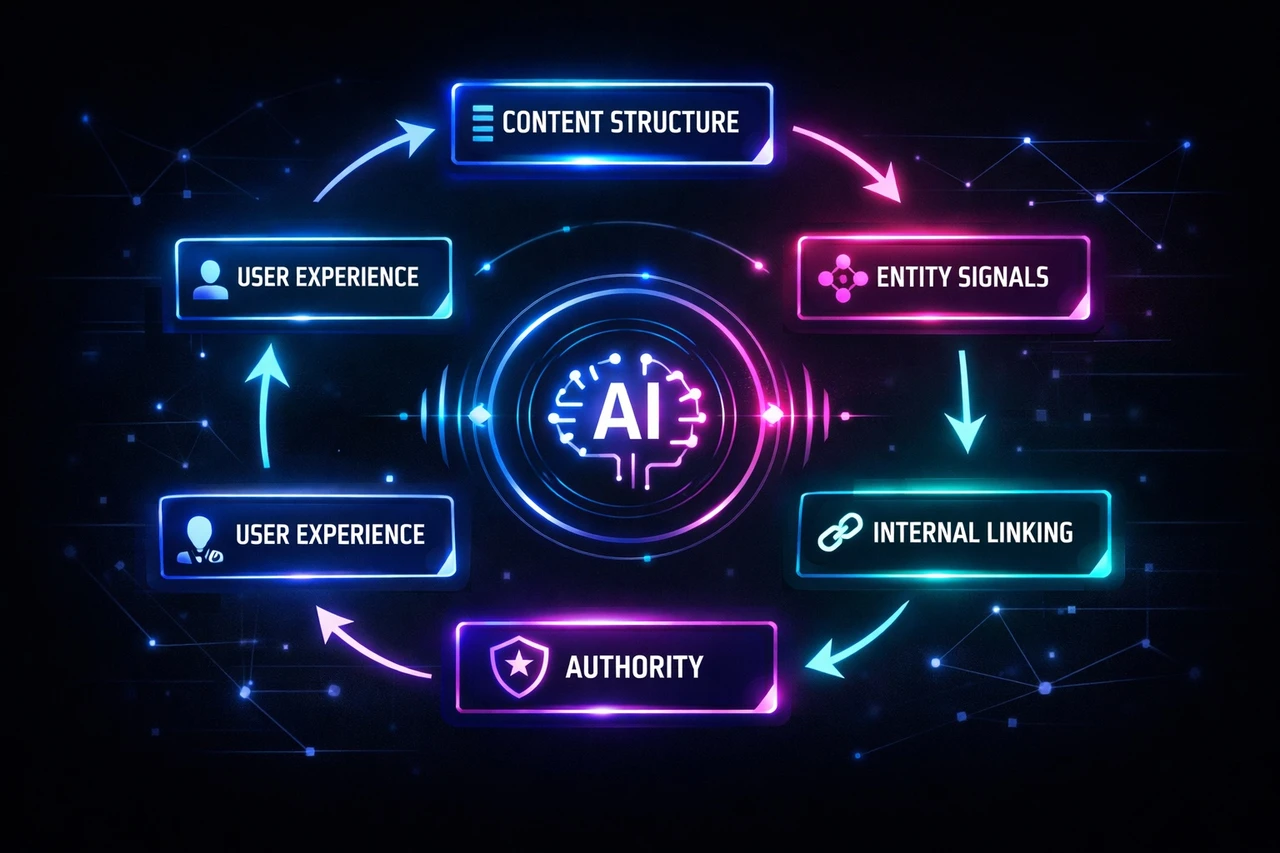
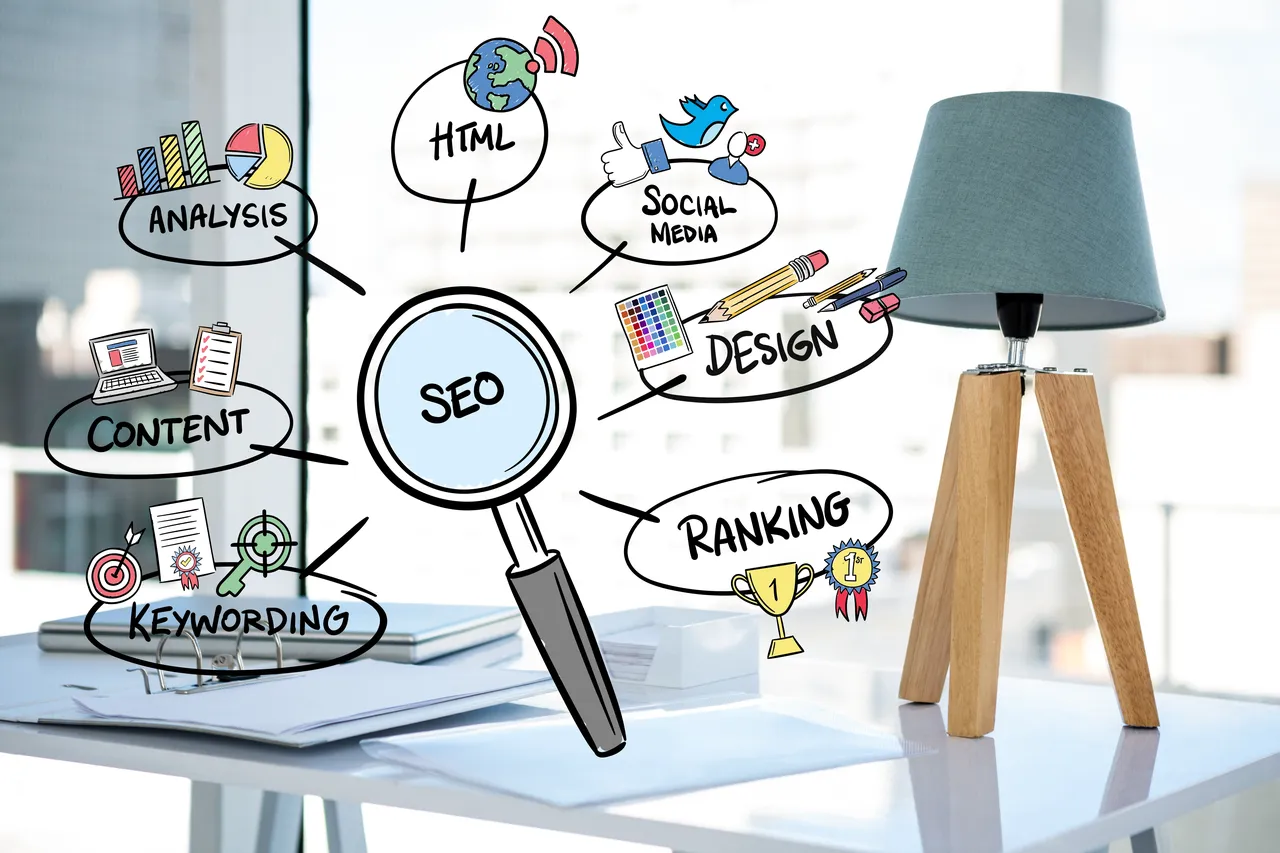
Organic content contributes to SEO and AI Overviews by appearing in Google search results and influencing AI-generated answers, reinforcing topical authority and feeding AI systems trustworthy signals. However, organic requires significant time investment and typically several months before lead generation becomes predictable.
LinkedIn Ads provide immediate access to targeted B2B audiences through laser-focused firmographic targeting—by job title, industry, seniority, and company size. The platform is the most expensive major ad platform but also the most precise for B2B, with premium cost per click and cost per lead compared to other channels.
Ads are most effective when average deal value is substantial, the offer is validated, sales follow up quickly, and there’s existing brand credibility. A minimum monthly budget and sustained testing period are needed to exit the learning phase. However, running ads without organic credibility results in significantly worse conversions—buyers check personal profiles before clicking ads.
The hybrid reality: There is no universal winner between organic and paid. Organic is most effective for authority building and early-stage buyers; ads perform best when accelerating warm audiences with proven offers. Audiences exposed to both organic and paid content show substantially higher conversion rates than those who only see paid ads. The highest-performing strategies layer paid promotion on top of organic foundation—using complementary tools at different stages of market maturity.
When to Use Organic, Paid, or Both: A Decision Framework
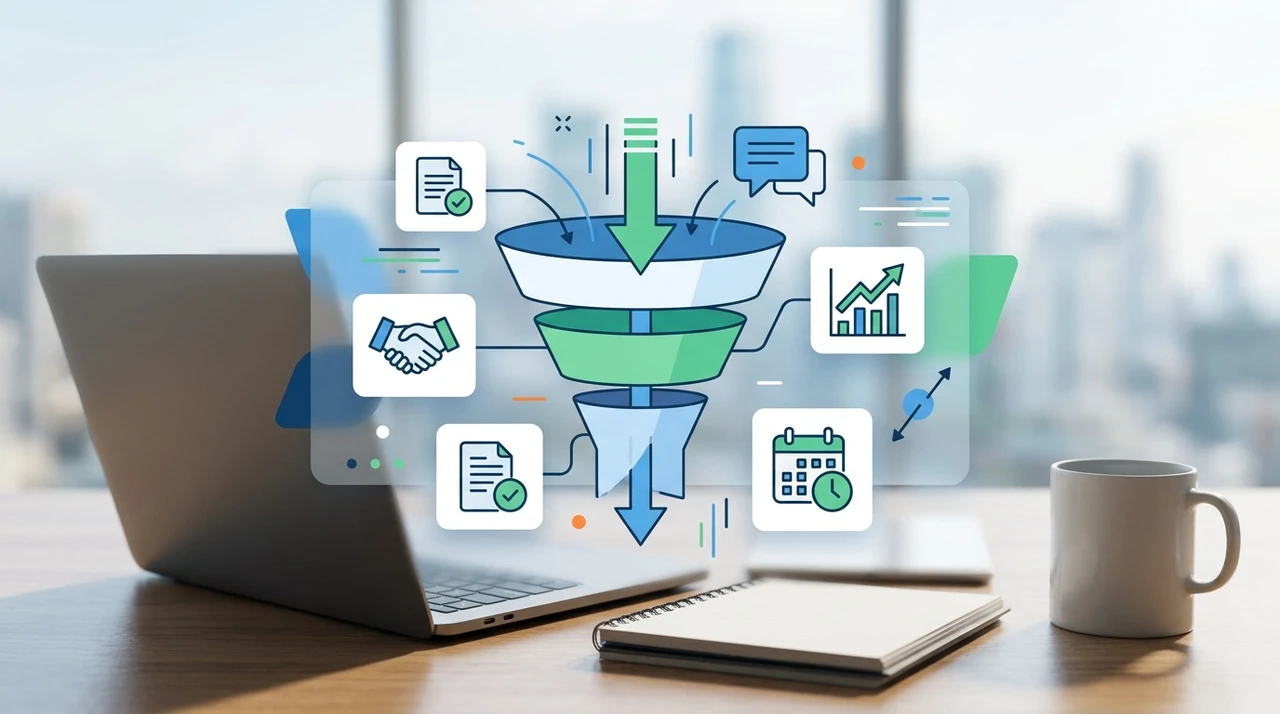
The mistake most B2B startups make is not having a decision framework for when to use organic versus paid. It’s an ongoing tactical decision, not a one-time choice. The most efficient LinkedIn strategy uses organic to build and validate, and paid to scale what’s validated.
Start with Organic, Scale with Paid
Organic is the starting point at any stage to test content resonance before investing in paid promotion. Organic data is the cheapest market research to identify what content resonates before using paid distribution. For relationship-driven pipeline—especially high-ticket B2B sales—organic is often sufficient. It’s also the right tool for employer brand content, where engagement from employees and candidates amplifies naturally.
LinkedIn paid promotion becomes useful when you need to reach audiences beyond your organic network or accelerate outcomes. Paid testing is a scale mechanism for content that has already passed a relevance test organically, not a rescue mission for weak content.
Decision Triggers for Paid Investment
Use this framework to determine when to invest in paid:
- New content, untested : Organic first; boost if engagement is strong
- Target account list (ABM) : Paid targeted to named accounts
- Retargeting website visitors : Paid retargeting with small budget, high relevance
- Employer brand content : Organic (employee sharing amplifies naturally)
- Product announcement : Organic for warm audience; paid to cold ICP
- Event promotion : Paid for registration targets; organic for buzz
A post that outperforms your average CTR significantly across several posts is a candidate for paid amplification. If the same format or angle wins repeatedly—multiple posts by engagement quality, CTR, and qualified actions—it’s a paid trigger. Amplifying proven content consistently outperforms running dedicated ad creative.
Budget Guidance by Stage
For seed-stage startups, a modest monthly LinkedIn paid budget is sufficient for testing amplification and ABM targeting. Growth-stage companies should allocate larger budgets for meaningful ABM campaigns, retargeting, and content amplification. LinkedIn paid costs more per click than other platforms—typically in the mid-to-high single digits for B2B—but audience quality justifies it for high-ticket offers.
LinkedIn Organic vs. Paid: Feature Comparison
Understanding the tactical differences between organic and paid LinkedIn helps B2B companies allocate resources effectively. Each approach operates on different timelines, cost structures, and engagement models—and the choice depends on your deal size, budget, and growth stage.
Core Feature Breakdown
| Feature | LinkedIn Organic | LinkedIn Ads |
|---|---|---|
| Cost Structure | Outsourced or in-house content costs; zero cost per impression or click | Monthly minimum budget required; CPC $5–$12, elevated CPL and CPM |
| Time Investment | Substantial weekly time: post creation, daily engagement, monthly strategy | Minimal internal time (campaign setup and monitoring); requires sustained testing to exit learning phase |
| Timeline to Results | Initial engagement within weeks; first qualified conversations within months; predictable lead flow takes longer | Immediate traffic and lead generation within days |
| Engagement Rate | Higher average engagement; employee content drives substantially more engagement than company pages | Lower engagement for ads; feed ads show modest CTR |
| Lead Quality | Higher intent, warmer leads with higher close rates; founder-led content converts better than paid leads | Broader, top-funnel leads requiring longer nurturing cycles and lower immediate conversion rates |
| Longevity | Compounding reach; content works for months; builds long-term brand authority | Stops when budget ends; no residual value |
| Scalability | Natural limits (meaningful connections per week); requires consistent founder or team involvement | Scales easily with increased budget; suitable for enterprise ABM campaigns |
| Algorithm Favorability | Personal posts prioritized substantially over company pages in feed | Labeled as “Promoted” or “Sponsored”; carries inherent skepticism |
| Best Use Case | Top-of-funnel awareness, authority building, long-term trust development | Bottom-of-funnel conversion, time-sensitive campaigns, retargeting warm audiences |
| Ideal Budget Threshold | Lower monthly budgets or when time investment exceeds monetary resources | Higher monthly budgets for meaningful B2B impact; substantial budgets for scale-stage companies |
Strategic Fit by Business Stage
Organic works best when your deal size is modest, you need long-term authority, and you can commit consistent time. Ads perform when you need leads quickly, your deal size is substantial, and your funnel is proven. Most growth-stage companies run hybrid strategies: organic for trust, paid for pipeline velocity, and customer marketing.
The tactical reality: organic builds the credibility foundation that makes ads convert better, while authority compounds at zero cost. Neither approach works in isolation for sustained B2B growth.
The Power of Organic LinkedIn: Building Credibility and Reach for B2B
Why Organic Reach Still Matters
Organic reach on LinkedIn remains viable for B2B because the platform prioritizes content that sparks engagement and comes from trusted sources. LinkedIn traffic converts at higher rates than other social channels for B2B publishers, and scarcity works in your favor—only a small fraction of users actively post, so consistent creators face far less competition. This makes organic an attractive complement to paid: zero cost, compounding reach, and high conversion rates once an audience is built.
How the Algorithm Distributes Content
LinkedIn prioritizes three signals that B2B marketers should focus on: comments (which carry more weight than likes), dwell time (time spent reading your post), and profile authority. Comments and shares extend reach to second-degree connections, creating compounding visibility. For format, text-only and document posts perform well for B2B; avoid external links in post copy as they reduce distribution.
Personal Profiles vs. Company Pages
LinkedIn’s algorithm prioritizes personal profiles over company pages for organic reach. Personal profile content spreads through social connections and reaches both direct connections and their extended networks, while company pages primarily reach existing followers at low rates. The platform explicitly prioritizes “member-to-member” connections, meaning people engage more readily with individuals than logos.
Personal profiles benefit from initial distribution advantages: they reach audiences with stronger ties, triggering early engagement that signals second-degree distribution. Company pages remain essential infrastructure for LinkedIn Ads, hiring, and brand credibility, but their role as organic distribution channels has narrowed significantly. The highest-performing strategies treat company pages as credibility anchors for paid amplification, while personal profiles drive awareness and engagement.
Founder-Led Content as a Strategic Channel
Founder profiles generate substantially more engagement than company pages because people buy from people, not logos. Founder-led content builds personal authority and thought leadership while creating trust and visibility that corporate accounts cannot replicate. A practical approach: work with content partners to manage drafting while the founder focuses on active comment engagement and voice authenticity. Consistent posting combined with genuine engagement compounds visibility over time.
LinkedIn Ads for B2B: Precision Targeting and Accelerated Results
LinkedIn ads deliver measurable performance for B2B companies through targeting capabilities that other platforms cannot match. While the cost per click typically runs higher than Google, Twitter, or Meta, the precision and engagement justify the investment for companies focused on reaching decision-makers.
Why LinkedIn Ads Work for B2B
The platform’s professional context creates a fundamental advantage. Users arrive in work mode, not browsing vacation photos or entertainment content. This mindset shift matters when you’re trying to reach someone evaluating enterprise software or professional services.
LinkedIn’s native targeting options include job titles, seniority levels, job functions, skills, company size, industry, and revenue brackets—attributes that define B2B buying committees. You can layer on uploaded contact lists, CRM data, retargeting audiences, and third-party intent signals to refine further. With substantial monthly active users, the platform provides sufficient scale for most B2B segments without sacrificing specificity.
Targeting Mechanics That Matter
Effective audience building requires discipline. Turn off LinkedIn’s Audience Expansion feature—it dilutes targeting by adding profiles outside your defined parameters. When setting location filters, remember that LinkedIn targets users’ home base, not their current location. Build dynamic lists that automatically update based on CRM status: current customers, active pipeline accounts, target accounts, and companies showing intent signals. These evergreen segments ensure your ads reach the right accounts as your business evolves.
Retargeting lists based on website visits, company page engagement, video views, and ad interactions create multiple touchpoints. The platform now allows frequency caps, enabling sustained visibility without overwhelming your audience. For low-cost retargeting that maintains brand presence, Text Ads and Spotlight Ads deliver affordable reach to accounts already familiar with your brand.
Formats and Conversion Infrastructure
Match your ad format to your objective. Sponsored Content (single image, video, carousel, document) works for awareness and consideration. Message Ads and Conversation Ads drive direct engagement. Thought Leader Ads—posts from individual executives rather than company pages—often deliver strong ROI because they feel more organic and human.
Conversion tracking requires the LinkedIn Insight tag, manual upload of offline conversions, or API integration. Set up conversion events with appropriate lookback windows and attribution settings. Track form submissions rather than thank-you page visits for more accurate data. Understand that LinkedIn attributes conversions to either each ad set or the last ad set depending on your configuration—this affects how you interpret performance across campaigns.
LinkedIn Ads Benchmarks for B2B: CPL, CPM, and When Ads Make Sense
Understanding LinkedIn Ad Costs
LinkedIn Ads carry a premium compared to other platforms, but the cost reflects the quality and specificity of the audience. Cost varies significantly by industry and targeting precision. The key metric isn’t the cost per lead itself—it’s whether that cost aligns with your customer acquisition cost and lifetime value targets. Budget, bid strategy, ad relevance, and creative quality all influence actual costs.
When LinkedIn Ads Make Sense
LinkedIn Ads work when you need precision over volume. The platform’s targeting capabilities—job title, seniority, company size, industry, skills—let you reach decision-makers directly. This makes it particularly effective for B2B lead generation, thought leadership positioning, and brand awareness within professional circles.
The value proposition is straightforward: you’re paying for quality, not quantity. Conversion rates for B2B SaaS are solid when the leads are genuinely qualified. The platform makes sense when your ideal customer profile is narrow, your deal sizes justify higher acquisition costs, and your sales cycle benefits from reaching the right person rather than more people.
Optimization requires focus on precise targeting, compelling creatives, clear calls to action, and landing pages that match the promise of your ad. Continuous monitoring and adjustment are non-negotiable. If your CAC and LTV math doesn’t support premium lead costs, or if your targeting criteria are too broad to leverage LinkedIn’s professional graph, organic content or other channels may deliver better returns.
How to Decide Between Organic, Paid, or Hybrid
The choice between organic, paid, and hybrid strategies isn’t abstract—it flows directly from your business constraints. Here are four common scenarios and the recommended approach for each:
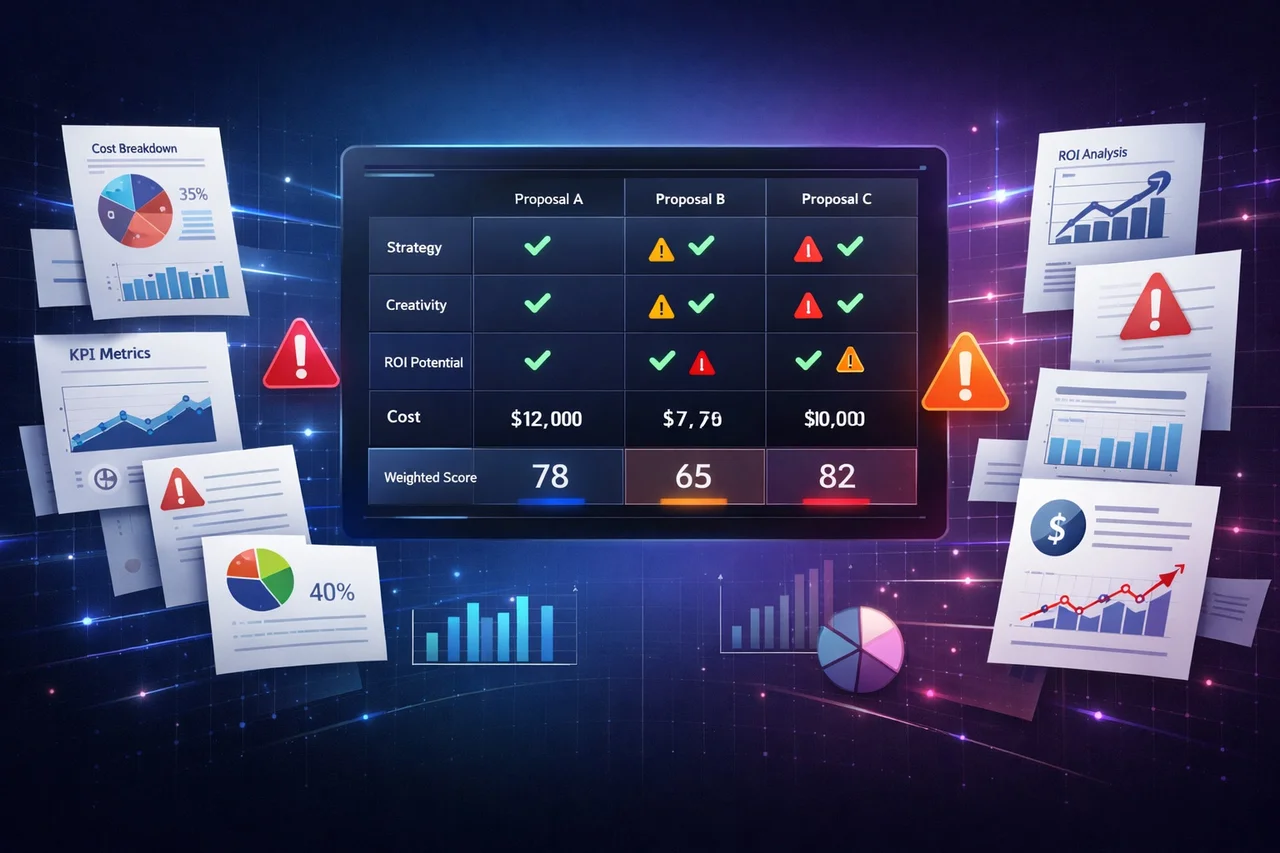
| Scenario | Budget | Timeline | Recommended Strategy | Key Actions |
|---|---|---|---|---|
| Small budget + long-term authority goals | <$500/month | 12+ months | Organic-first | Personal profile content 3x/week; founder-led posts; build credibility before paid; focus on SEO and AI signals; zero ad spend |
| Immediate pipeline need | $2k+/month | 30-90 days | Paid-primary | Launch targeted ads to warm segments; retarget website visitors; use Message Ads for direct outreach; organic as credibility layer only |
| High-value ABM campaigns | $3k+/month | 60+ days | Hybrid (ads-led) | Paid targeting to named account lists; personal profile engagement with decision-makers; organic content seeding; coordinate timing across channels |
| Existing audience + validated content | $1k+/month | Ongoing | Hybrid (balanced) | Organic cadence for trust-building; paid amplification of top-performing posts; retargeting warm segments; scale sustainably with proven content |
Each scenario reflects different business maturity and urgency. The key is aligning channel investment with your constraints, not chasing every tactic. A bootstrapped startup with patience wins with organic; a well-funded company needing immediate results accelerates with paid; a scaling company combines both.
Maximizing B2B ROI on LinkedIn: Measurement and Execution
Measure What Matters
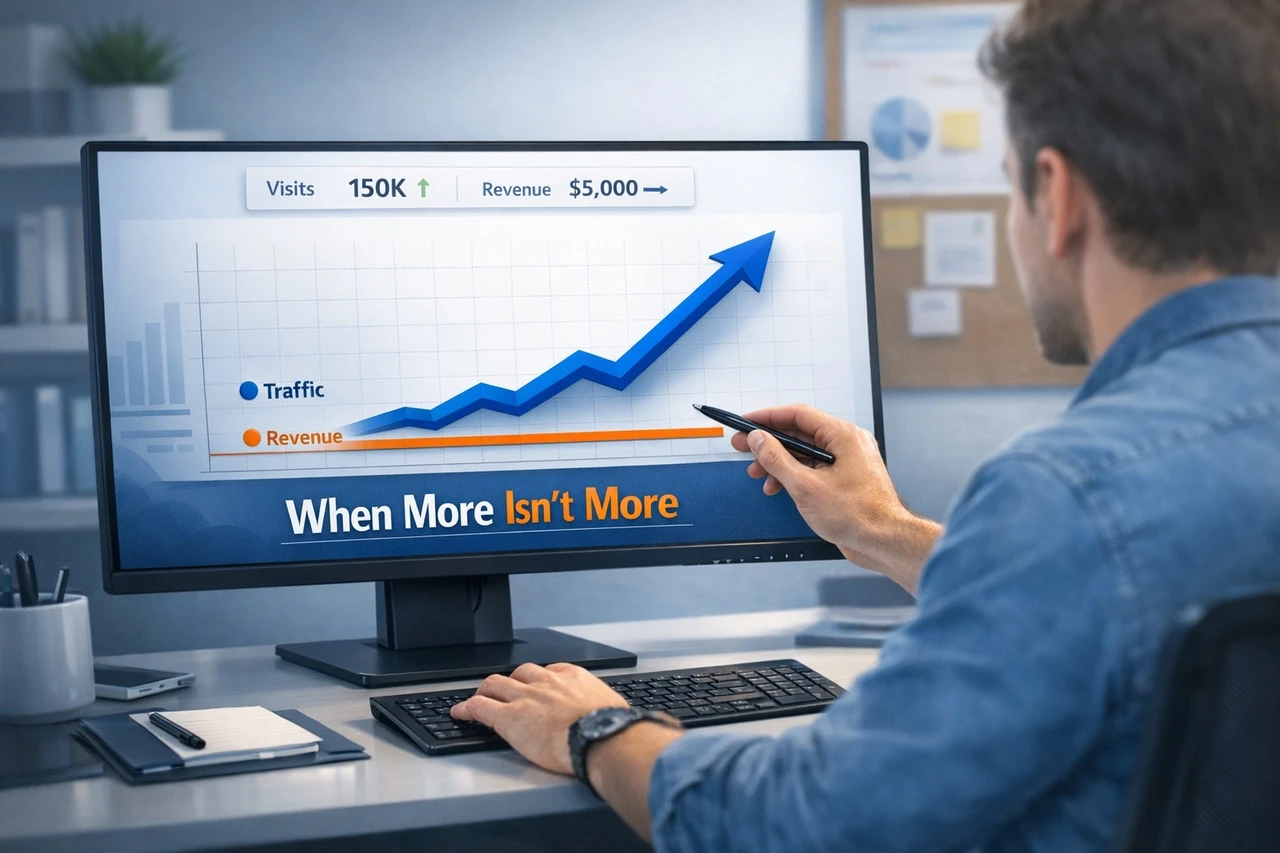
Most B2B companies struggle to connect LinkedIn activity to revenue outcomes because they track vanity metrics—impressions, reactions, follower growth—that do not reflect pipeline impact. Instead, measure cost-per-qualified-lead, MQL-to-SQL conversion rates, pipeline influenced by LinkedIn, and revenue closed from LinkedIn-attributed leads. Multi-touch attribution is essential; B2B sales cycles span months and involve multiple decision-makers, so last-click models miss most of the buyer journey.
Go beyond native reporting. Track profile visits from target accounts, connection requests from ICP profiles, and UTM-tagged website traffic from LinkedIn. Tie these signals to CRM pipeline data to understand which content and campaigns drive revenue, not just engagement.
Execute in Phases
Start with a phased roadmap: build your foundation first, establish content cadence and audience growth next, then launch paid amplification. This phased approach ensures you have warm audiences and proven content before scaling ad spend.
Choose based on these four factors:
- Deal size : High-value deals (enterprise, $100k+ ARR) justify paid investment. Smaller deals benefit from organic alone.
- Urgency : Need leads in the next 30 days? Go paid. Building 12-month pipeline? Prioritize organic.
- Audience maturity : Warm, in-market audiences convert with paid; cold audiences require organic credibility first.
- Budget : Organic requires time investment and 3+ months to compound. Paid requires minimum monthly budget and immediate spend.
Use this logic to allocate resources, not the promise of any single channel. The most efficient strategy aligns channel choice with business constraints, not marketing trends.