
Google Ads vs Meta Ads for B2B: A Strategic Conversion Analysis
The Fundamental Difference: Intent vs. Interest
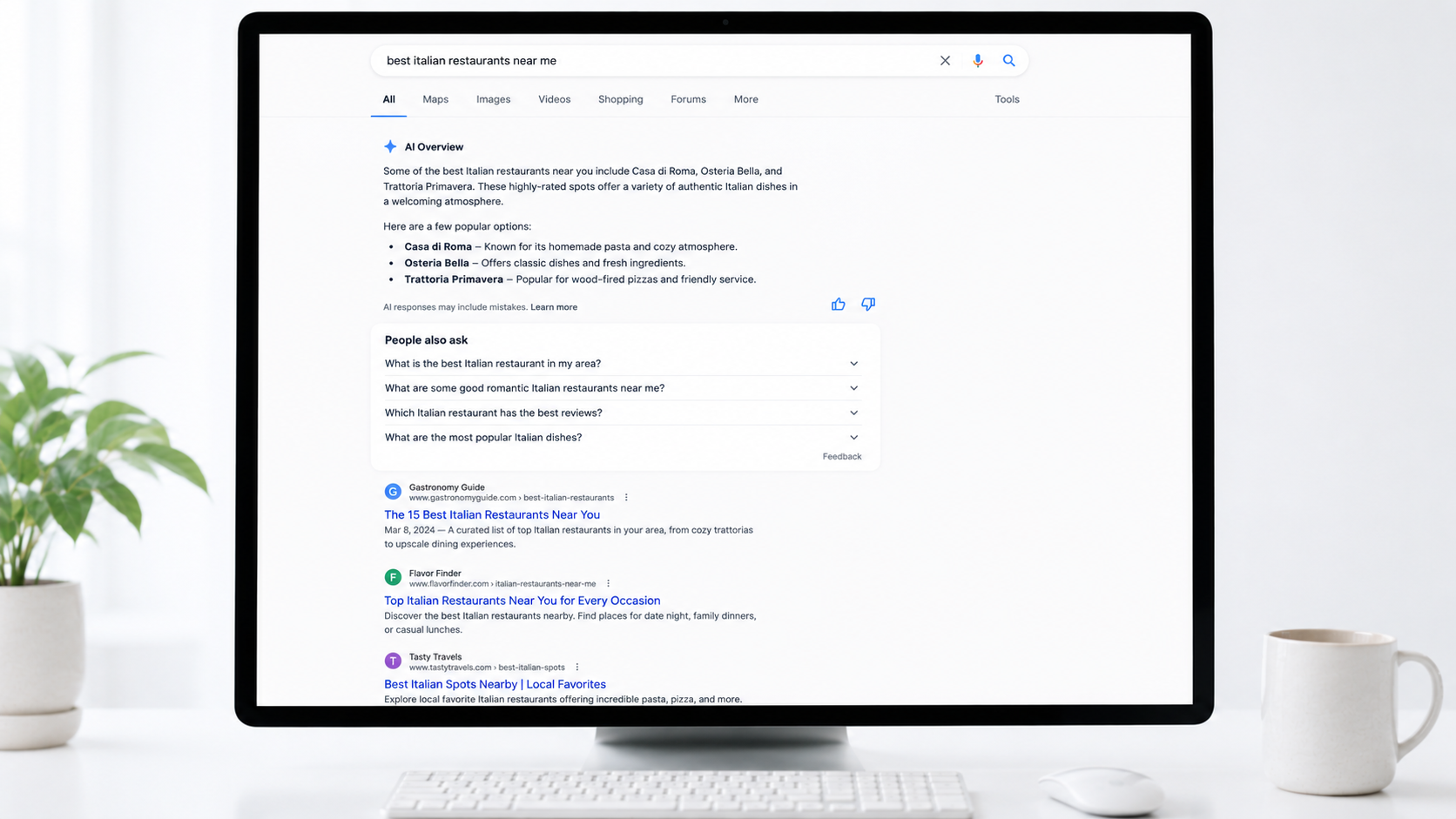
Google Ads and Meta Ads operate on fundamentally different models. Google Ads captures existing demand—users actively searching for solutions with high commercial intent. Meta Ads creates demand by reaching your ideal customer profile through demographics, interests, and behaviors before they start searching. This distinction shapes everything downstream: targeting precision, creative approach, cost structure, and where each platform fits in your funnel.
Google dominates search advertising with significant search traffic share, while Meta reaches billions of monthly active users, making reach and scale fundamentally different propositions.
When Each Platform Excels
Google Ads works best when:
– There’s established search demand for your solution
– Your sales cycle is relatively short to medium
– You’re targeting bottom-of-funnel keywords with high commercial intent
– Average deal value justifies the higher cost per click
Best formats include Search campaigns (the workhorse), Performance Max for lead generation at scale, and YouTube ads for mid-funnel content.
Meta Ads works best when:
– Your ICP is definable by demographics, interests, and behaviors
– You need top-of-funnel brand building and awareness
– You’re retargeting website visitors or past leads
– Deal size justifies longer nurturing cycles
Best formats include native lead generation forms, video ads for storytelling and thought leadership, and pixel-based retargeting.
Cost and Conversion Realities
For B2B, the average conversion rate on Google Ads is 3.04%, with competitive B2B niches regularly seeing higher costs per click. Meta’s cost structure is significantly lower per click, but requires more touches before conversion.
This cost difference reflects intent quality. Google leads are often mid-funnel or bottom-funnel prospects with a short path from click to conversion. Meta leads are top-of-funnel and require nurturing. Meta leads typically take 1.5–3x longer to close than Google search leads, reflecting the difference in buyer readiness between these two channels.
The trade-off is real: higher upfront cost on Google, but faster closes and clearer ROI; lower cost on Meta, but longer sales cycles and attribution complexity.
The Integrated Approach
The highest-ROI strategy for most B2B companies combines both platforms at different funnel stages. Use Meta for awareness and retargeting, Google for demand capture, and Google again for branded keywords. This coordinated funnel maximizes both reach and conversion efficiency.
The most effective approach is not choosing one platform over the other, but allocating budget strategically across both. For teams running B2B campaigns, Google should typically receive the larger share due to its intent-based model and higher conversion quality. Meta serves as a volume and awareness channel, generating leads that feed nurturing sequences.
Key Differences and Features Comparison
Core Mechanics and Targeting Approach
Google Ads uses keyword-driven targeting layered with audience data. You bid on search terms, and your ads appear across Google Search, YouTube, Gmail, and the Display Network. Meta Ads operates through demographic, behavioral, and interest-based targeting across Facebook, Instagram, Messenger, and WhatsApp.
B2B Google Ads CPCs range from $5 to $40+, while Meta CPCs typically run lower. However, lower cost per click doesn’t translate to lower cost per lead. Meta’s conversion rates run lower for B2B funnels, and leads typically take longer to close. Cost per lead often ends up comparable, but the sales cycle extension matters operationally.
Creative and Attribution Complexity
Google Search ads are text-based: headlines, descriptions, and sitelinks. Meta demands visual storytelling—video, image, carousel, and Reels-style content. Meta generally requires more creative testing and refresh cycles than Google to maintain performance and prevent creative fatigue.
Attribution has become more complicated. Privacy changes and cookie deprecation reduced Meta’s targeting precision and created under-reporting of conversions on the platform. Google’s first-party data advantage strengthened as a result. Both platforms now require layered attribution: platform data, GA4, and self-reported metrics.
Platform Comparison Table
| Aspect | Google Ads | Meta Ads |
|---|---|---|
| Core Philosophy | Capture existing demand | Create demand through discovery |
| User Intent Level | High (active search) | Low to medium (passive scrolling) |
| Targeting Method | Keywords, demographics, topics | Demographics, interests, behaviors, lookalikes |
| Best For (B2B) | Bottom-funnel conversions, decision stage | Top-funnel awareness, lead generation, remarketing |
| Conversion Quality | High intent, faster conversions | Medium intent, requires nurturing |
| Sales Cycle Impact | Shorter (baseline) | Longer |
| Ad Format Strength | Text, Shopping, Display, Video | Image, Video, Carousel, Reels |
| Creative Requirement | Lower (text-focused) | Higher (visual-focused) |
| Attribution Accuracy | Stronger post-privacy changes | Under-reporting of conversions |
Automation Trends
Both platforms now emphasize AI-powered automation. Google’s Performance Max and Meta’s Advantage+ campaigns automate bidding, placement, and creative optimization. Average CPCs have increased across both platforms, reflecting rising competition and platform consolidation.
Budget Allocation and Channel Sequencing
Strategic Allocation Framework
Budget allocation should shift based on Average Contract Value (ACV), sales cycle length, and buyer intent maturity:
For shorter sales cycles and established search demand, allocate larger portions toward Google to capture high-intent searches. Allocate smaller portions toward Meta for retargeting warm prospects.
As sales cycles lengthen, allocate proportionally more budget to Meta to enable sustained education and nurturing across multiple touchpoints.
Meta’s primary value lies in retargeting warm audiences and amplifying brand awareness rather than generating cold leads at scale. When demand exists, allocate larger portions toward Google; when building awareness, layer Meta to reach problem-unaware audiences.
Avoid relying on last-click attribution alone. Each platform’s native reporting is incomplete. Implement server-side tracking and cross-platform attribution modeling to understand the true contribution of each channel.
How to Decide Between Google Ads, Meta Ads, or Both
Scenario 1: Existing Search Demand
When search volume already exists for your solution and your sales cycle is short-to-medium (30–90 days), Google Ads is the primary channel. Buyers are actively searching and problem-aware. Search ads capture high-intent keywords where commercial intent is clear. Layer Google Display and YouTube for brand awareness among those actively researching.
Add Meta retargeting to re-engage website visitors who didn’t convert, keeping your solution top-of-mind during their decision process.
Scenario 2: New Market or Low Awareness
When entering a new market or when search demand is low, Meta is the primary channel for demand creation. Meta’s demographic, behavioral, and interest-based targeting builds awareness within your Ideal Customer Profile before they start searching.
Combine Meta prospecting with Google Display and YouTube to reach your target audience through multiple touchpoints. Expect longer lead times (2–4 weeks) and require more qualification than search leads.
Scenario 3: High-Value B2B Sales Cycle
For complex deals with long sales cycles (120+ days) involving multiple stakeholders, both platforms work in concert. Google captures occasional high-intent searches from buying committee members. Meta sustains awareness and education through case studies, thought leadership, and testimonials across decision-maker networks.
Allocate budget proportionally to support sustained relationship-building, focusing on channels that enable continuous touchpoints over months.
Scenario 4: Retargeting Warm Audiences
For existing customers or warm leads (those who have visited your site, opened emails, or engaged with content), Meta’s retargeting capabilities excel. Website pixel-based audiences, lead lists, and lookalikes allow you to re-engage prospects at scale.
Combine Meta retargeting with Google Search ads for any branded keywords to capture demand from warm leads actively searching for your solution.
Measurement and Attribution
The Real Cost: CAC, Not Click Cost
The real cost lives in Customer Acquisition Cost (CAC), not click cost. Yet most teams still optimize for ROAS or cost-per-click—metrics that obscure the actual economics of customer acquisition. Last-click attribution is insufficient; modern B2B attribution requires server-side tracking, multi-touch attribution modeling, and CRM integration to connect paid touchpoints to revenue.
Landing page optimization delivers disproportionate leverage compared to audience tweaks or bid adjustments. When CAC rises, audit your landing experience first. Creative formats also diverge sharply: Google rewards relevance to a query; Meta rewards relevance to a feed. Treating them identically wastes budget.
Key Metrics to Track
- Cost Per Lead (CPL): Total spend divided by leads generated. Track separately by platform and by campaign type.
- Lead Quality: Conversion rate from lead to qualified opportunity (MQL to SQL). This reveals whether cheaper leads are actually cheaper customers.
- Sales Cycle Length: Average days from lead capture to close. Longer cycles on Meta should be factored into budget allocation.
- LTV:CAC Ratio: Lifetime value of a customer divided by acquisition cost. A healthy ratio is at least 3:1; below 2:1 signals unsustainable acquisition.
- Payback Period: Months to recover the cost of customer acquisition. Shorter payback periods improve cash flow and reduce risk.
Conclusion
Channel selection should flow from buyer intent, sales cycle length, and audience maturity—not platform preference.
When buyer intent is already present and search demand exists, prioritize Google Ads as your primary channel. For complex sales cycles requiring sustained education across multiple decision-makers, layer Meta to maintain awareness and engagement over months. For entering new markets or building awareness where search volume doesn’t yet exist, reverse the priority: lead with Meta for demand creation, then capture that demand when it materializes in search.
Measure success through Customer Acquisition Cost (CAC) and LTV:CAC ratio, not clicks or impressions. The highest-ROI strategy combines both platforms at different funnel stages: Meta for awareness and retargeting among warm audiences, Google for demand capture among high-intent prospects. The distinction between platform selection and platform orchestration determines profitability.