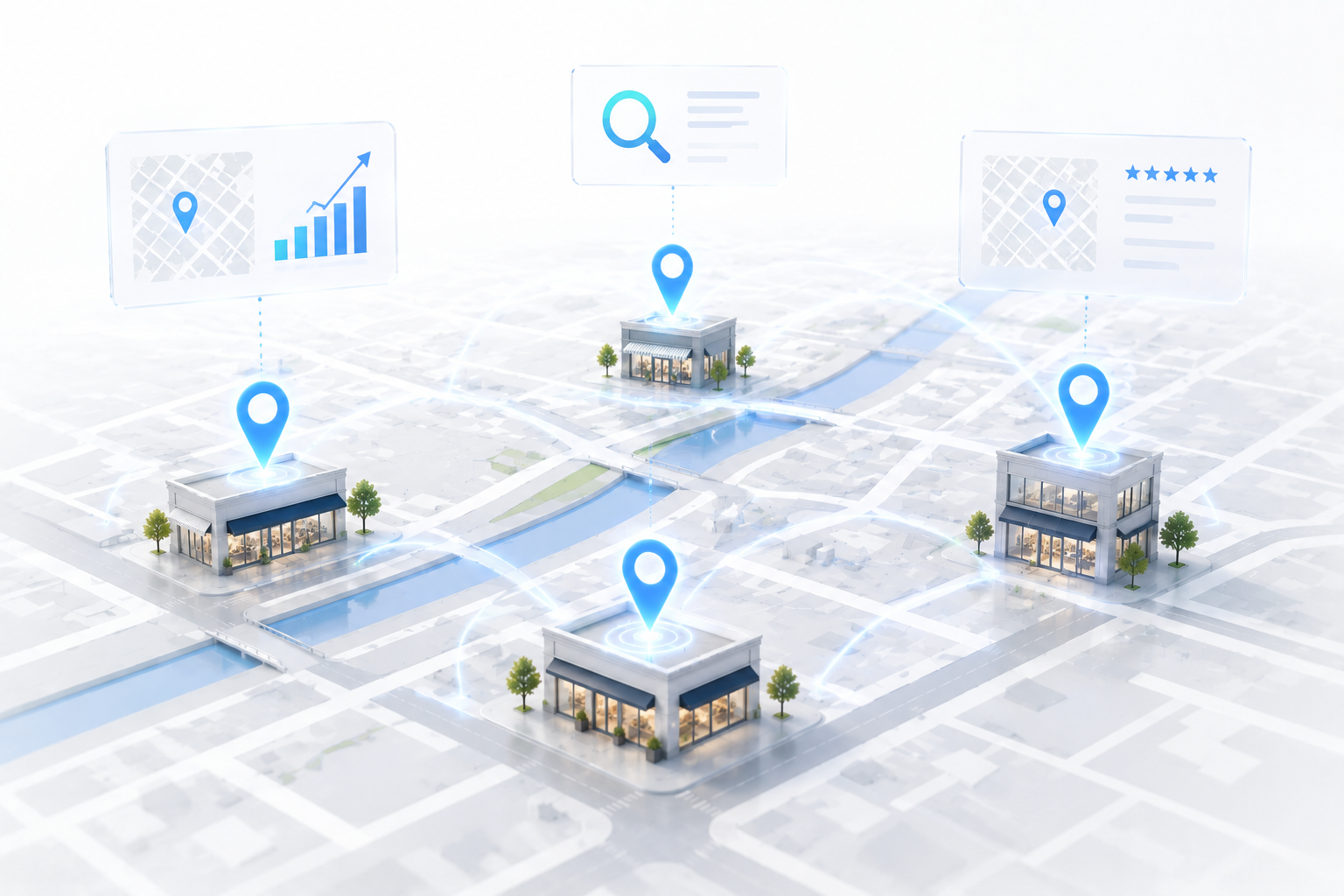

The Strategic Shift: From Campaigns to Systems in 2026
Why Traditional Campaigns Are No Longer Enough
The marketing landscape of 2026 demands a fundamental rethinking of strategy. The traditional campaign-only approach is crumbling under the weight of content saturation, fragmented customer attention, and the democratization of content creation through AI. When everyone can produce more campaigns faster, individual campaign performance becomes increasingly commoditized. The real competitive advantage now lies in building superior systems that support those campaigns, rather than simply running more of them.
Here’s the critical distinction: campaigns create moments of engagement, while systems create sustained momentum. A marketing system is fundamentally different—it’s an interconnected ecosystem of components that continuously operate and deliver value, even when you’re not actively promoting a new offer. This shift represents a structural transformation driven by technological advancement, evolving consumer behavior, and organizational evolution, particularly through AI integration.
Building Integrated Marketing Systems
Marketing can no longer function as isolated campaigns or siloed channel strategies. Instead, brands that scale sustainably operate marketing as an integrated system where brand building, demand capture, customer experience, and continuous learning loops reinforce one another. This means moving from individual channel focus to understanding complete end-to-end customer journeys.
The transformation encompasses several key elements. AI-powered systems enable automated funnels, personalized experiences at scale, cross-channel data tracking, and continuous retargeting loops. Content engines—weekly blogs, daily social posts, email newsletters—replace one-off campaign posts, ensuring consistent value delivery. Customer journeys become personalized systems with distinct pathways for awareness, interest, trust, action, and loyalty across multiple platforms.
Data forms the backbone of this approach: first-party data, CRM insights, AI-based segmentation, and predictive analytics allow brands to anticipate customer needs before they’re explicitly expressed. Omnichannel presence is no longer optional—it’s essential for maintaining brand recognition across all digital touchpoints.
The Human Element Remains Essential
Despite automation and AI capabilities, the most effective systems still prioritize human connection. Community-building, creator partnerships, and authentic engagement remain crucial differentiators. Learning velocity—the ability to test, iterate, and scale with precision—emerges as the most valuable marketing capability in 2026.
The debate between brand and performance marketing is ultimately the wrong conversation. Both should operate as a single compounding engine, each strengthening the other within your integrated system.
The “Campaign Trap”: Why Short-Term Spikes Fall Short
The Illusion of Momentum
Every marketer knows the feeling: a campaign launches, traffic spikes, sales surge, and suddenly everything feels like it’s working. But here’s the uncomfortable truth—that “campaign high” is temporary. The moment the push stops, momentum vanishes. You’re left scrambling for the next big idea, caught in what experts call a “boom or bust” cycle that’s exhausting, expensive, and unpredictable.
This is the campaign trap. When your growth strategy relies solely on the next viral post or email blast, you’re not building a business—you’re running a series of disconnected events. Campaigns create short-term spikes that fade when the effort stops, leaving you with inconsistent results and no clear path to scaling.
Why Campaigns Can’t Scale Alone
The fundamental problem with campaign-only marketing is that it lacks foundation. A referral campaign might temporarily boost leads but results typically decline once the campaign ends. Without a broader system supporting these efforts, you’re constantly reinventing the wheel.
Here’s what happens: each campaign exists in isolation. Teams start from scratch, measurement fractures across disconnected tactics, and ROI becomes nearly impossible to see and scale. Worse, without structure, effort dissipates. Instead of reusing proven anchors that work, teams keep inventing new angles, burning resources on experimentation rather than optimization.
Think of campaigns as sprints—they’re valuable, but only when they operate within a larger machine. Campaigns don’t compound growth on their own because they lack the foundation to maintain attention after the push ends. The real growth happens when campaigns live under a system, working together to build sustainable momentum.
If your marketing strategy is nothing but campaigns, you’re not building sustainable business growth. You’re chasing highs and hoping the next one hits harder than the last.
Defining Marketing Systems: Engines for Scalable Growth
Understanding the Core Concept
At its heart, a marketing system is fundamentally different from the traditional campaign mindset. Rather than viewing marketing as a series of isolated pushes, a marketing system operates as a set of connected, interdependent parts that work continuously—even when you’re not actively launching a new offer. Think of it as the engine of your car, running 24/7 behind the scenes, while campaigns serve as the fuel that powers specific growth moments.
The power of this approach lies in systems thinking: viewing your marketing activities as interconnected components of a larger whole rather than standalone tactics. This perspective creates a cohesive, repeatable, and scalable method for sustainable growth. Each marketing activity influences and supports the others, leading to smarter decisions and more predictable outcomes.
The Four-Layer Foundation
To function effectively, a marketing system requires four essential layers:
- Attract – Drawing potential customers through content, SEO, and paid ads
- Engage – Building relationships via email sequences and webinars
- Convert – Moving prospects to customers through sales calls and product demos
- Delight – Retaining and expanding relationships through customer service and community
Building Blocks for Scalability
Scalable marketing systems rely on reusable primitives—fundamental building blocks that ensure consistency, efficiency, and repeatability. Key components include automated lead nurturing systems, evergreen content pillars, reliable data dashboards for tracking, and standardized operating procedures (SOPs).
By embedding repeatable habits and processes into your marketing infrastructure, you create a baseline of steady leads and consistent brand awareness. This systematic approach drives operational efficiency by shifting from reactive firefighting to proactive optimization. Rather than constantly reinventing the wheel, you’re continuously improving through feedback loops and data-driven insights.
The beauty of this model? Campaigns don’t disappear—they evolve. Campaigns become boosters within your living system, providing strategic acceleration when needed while your underlying system maintains momentum. This frees up your creative energy to design better campaigns, since the mundane tasks are systematized and automated.
The Role of AI and Automation in System-Built Marketing
AI as the Engine of Marketing Transformation
AI is fundamentally reshaping how modern marketing operates. Rather than treating marketing as isolated campaigns managed across separate channels, organizations are now building integrated systems where AI serves as the central intelligence. This shift represents a fundamental change in how brands connect with their audiences—AI has become the first point of contact between companies and consumers, handling everything from initial discovery to ongoing engagement.
The capabilities are impressive. AI tools now write compelling ad copy and emails, predict customer behavior with remarkable accuracy, analyze social media conversations in real-time, personalize offers at scale, and optimize bidding strategies across Google and Meta ads. But here’s what makes this truly transformative: automation syncs your email, CRM, ads, website, and SMS channels together, ensuring the right message reaches customers at precisely the right moment. This orchestration eliminates the friction of manual campaign management and allows brands to make smarter decisions without wasting time or money.
Building Self-Optimizing Marketing Systems
The future of marketing systems is moving toward self-updating machines. Imagine ads that adjust automatically based on performance, email lists that grow themselves, content that refreshes with AI assistance, and websites that personalize experiences in real-time. This isn’t science fiction—it’s the direction marketing is heading right now.
However, AI-driven decisions require human oversight. Human judgment must override machines when it comes to critical decisions around pricing, targeting, personalization, and ethical considerations. The goal isn’t to replace human expertise but to amplify it. Organizations that develop strong learning velocity—the ability to test, iterate, and scale with precision—will gain significant competitive advantages. This capability allows teams to move faster, experiment more intelligently, and scale winning strategies without the guesswork that plagued traditional campaign management.
By combining AI automation with strategic human oversight, brands can build marketing systems that continuously reinforce brand building, demand capture, customer experience, and intelligence loops—creating a virtuous cycle of improvement that isolated campaigns simply cannot match.
Customer Journeys: From Channels to Integrated Experiences
Understanding the End-to-End Customer Journey
The fundamental shift happening in 2026 isn’t about abandoning individual channels—it’s about recognizing that each channel represents one touchpoint within a much larger ecosystem. Rather than siloing your efforts across Instagram, LinkedIn, or Google, forward-thinking marketers are mapping the complete path customers take from initial awareness to loyal advocates.
This transition requires a strategic mindset change. Instead of asking “How do we perform on this channel?” you should be asking: Where do people first discover your brand? How can they signal interest? What nurturing happens in those critical first 7-14 days? And crucially, how do you maintain connection with prospects who aren’t ready to buy immediately? These questions form the backbone of a customer journey system that actually converts.
Building Systems Across Multiple Touchpoints
Today’s customer behavior is fragmented. Your audience moves fluidly between Google, YouTube, TikTok, Instagram, and your brand website. Rather than treating this fragmentation as a problem, brands are building customer journey systems that create seamless experiences across every platform, guiding prospects from discovery to purchase without friction or pressure.
The most effective systems break the journey into distinct phases, each with its own strategic focus. An awareness system combines social media, SEO, and YouTube to capture initial attention. As interest grows, retargeting and short-form video keep prospects engaged. Trust is built through reviews, testimonials, and strategic email sequences. When prospects are ready to act, optimized offer pages and frictionless checkout experiences convert. Finally, post-purchase content and loyalty rewards transform customers into repeat buyers.
This systematic approach ensures omnichannel presence is no longer optional—your brand must be recognizable and valuable at every digital touchpoint where your audience discovers, researches, trusts, or purchases. When content, offers, and follow-ups are aligned to this journey rather than scattered across disconnected campaigns, you create the integrated experience that modern customers expect.
Data as the Backbone: Fueling Systemic Marketing Decisions
The Evolution of Data-Driven Marketing
Marketing in 2026 has fundamentally transformed into a data-first discipline. Clean, real-time, and connected data now powers every strategic decision brands make. Rather than relying on outdated reports and guesswork, modern marketers leverage a sophisticated ecosystem of data sources—from first-party data harvested directly from websites to behavioral insights extracted from CRM systems. This multi-layered approach to data collection creates a comprehensive view of customer intent and preference.
The sophistication doesn’t stop there. Brands now employ AI-based segmentation, heatmaps, user flow tools, and predictive analytics to anticipate customer needs before they’re even expressed. The ultimate goal? To know what customers want before they ask. This shift from reactive to proactive marketing represents a seismic change in how growth marketing systems operate in the modern landscape.
Systems Thinking: The Framework for Predictability
Systems thinking in marketing fundamentally changes how brands approach growth. Rather than viewing each marketing activity in isolation, a systems approach recognizes how each element influences and supports the others, creating a cohesive, repeatable, and scalable framework. This interconnected mindset allows marketers to anticipate how changes in one area ripple through the entire ecosystem, leading to smarter decisions and more predictable outcomes.
Proper data systems enable brands to shift from constant firefighting to strategic planning. Instead of simply reacting to market conditions, organizations can now leverage continuous feedback loops and repeatable processes built on reusable primitives—the fundamental building blocks that ensure consistency and efficiency at scale. This holistic, long-term approach transforms marketing from a series of disconnected campaigns into a sustainable, interconnected growth engine that compounds results over time.
Content Engines: Beyond One-Off Posts for Continuous Value
From Temporary Spikes to Compounding Growth
The marketing landscape is fundamentally shifting. While traditional campaigns create temporary spikes in visibility, systems compound growth over time by connecting content, channels, and targeting into a cohesive whole. Rather than chasing isolated campaigns across paid, SEO, and social channels, a true marketing system ensures that every piece of content works together strategically. This interconnected approach transforms how brands think about their content strategy—moving from scattered, one-off efforts to a unified ecosystem that delivers consistent value.
Building Your Content Engine Architecture
In 2026, brands are shifting toward complete systems that are smart, connected, and continuously learning. The foundation of these systems is a robust content engine—a repeatable mix of formats designed to keep your brand active and engaged with audiences 24/7. This includes weekly blogs, daily social posts, UGC-style reels, email newsletters, monthly reports, and educational videos. Rather than sporadic marketing blasts, these content engines provide constant value, establishing your brand as a reliable resource in your industry.
The key insight here is that consistency has become the “new creativity.” By establishing predictable content rhythms, you create trust and anticipation with your audience. A well-structured content engine doesn’t require reinventing the wheel each time—instead, it provides a framework for reusing core messages (your promise, proof, and path) while varying creative expression by channel and format.
Structuring Systems That Scale
The power of a marketing system lies in its structure. A system provides clear rules for your content: which personas you’re targeting, which problems you’re solving, which stories you’re telling, and where campaigns fit within the larger narrative. This structure limits organizational “thrash” and enables teams to work more efficiently.
Implementing a scalable marketing system typically involves defining your message pillars and personas, building evergreen landing pages that serve as conversion destinations, and launching integrated campaigns where the same promise and story are adapted across each channel. When your content points back to matching landing pages, you create a seamless experience that guides prospects through their journey—whether they discover you through social media, search, or email.
Omnichannel is No Longer Optional: A Systemic Imperative
The Multi-Touchpoint Reality of Modern Consumer Behavior
In 2026, the customer journey has become fragmented across countless digital channels, and brands can no longer afford to think in silos. To succeed in marketing, every business needs a strategic presence across all major digital touchpoints. Your audience isn’t confined to a single platform—they’re everywhere, and your marketing needs to meet them there.
Consider the typical customer path: they might discover your brand on TikTok while scrolling through their feed, then research your offerings on Google when they’re ready to learn more. They build trust through your Instagram presence, make the purchase decision on your website, and stay connected through your email campaigns. Each touchpoint matters, and each one tells a part of your brand story.
Why Campaign-Based Thinking Falls Short
Traditional campaign marketing treats these channels as separate initiatives—a TikTok campaign here, an email campaign there. But this fragmented approach creates inconsistencies and missed opportunities. A system-based approach ensures brand recognition at every step of the customer journey, creating a cohesive experience that reinforces your message and builds lasting customer relationships.
When you shift from campaign thinking to systems thinking, you’re not just coordinating channels—you’re architecting an integrated ecosystem where each touchpoint strengthens the others. Your TikTok discovery leads naturally to Google research, which builds trust through Instagram, culminates in a website conversion, and extends through email nurturing. This orchestrated approach is what separates market leaders from the rest.
The strategic imperative is clear: omnichannel presence isn’t a nice-to-have feature anymore. It’s the foundation of modern marketing success. Brands that treat their digital presence as an interconnected system—rather than isolated campaigns—will dominate their markets in 2026 and beyond.
The Human Element: Community, Creators, and Authentic Connection
Why Human Connection Still Matters in the Age of AI
Despite the explosive growth of AI and automation reshaping the marketing landscape, one truth remains unchanged: genuine human connection is the beating heart of effective marketing in 2026. As brands increasingly turn to sophisticated technology and automated systems, the most successful marketers understand that authentic human connection cannot be replicated by algorithms alone.
Today’s consumers are more discerning than ever. They can instantly detect when a brand feels robotic or inauthentic, and they’re actively rejecting those experiences. Instead, they gravitate toward brands that demonstrate real personality, transparency, and genuine care. This shift represents a fundamental change in how marketing systems must be structured—they need to amplify human voices and foster real relationships, not replace them.
Building Communities and Creator Partnerships
Forward-thinking brands are doubling down on investment in community-building initiatives and strategic creator partnerships. Rather than relying solely on one-way broadcast messaging, brands are investing heavily in creating spaces where customers feel heard and valued.
This includes hosting educational online events that provide genuine value, launching interactive polls and Q&As that encourage two-way dialogue, and crafting story-based content that resonates on an emotional level. These tactics transform passive audiences into engaged communities where people feel like they belong to something meaningful.
Creator partnerships amplify this effect by lending authenticity and credibility. When real people—whether micro-influencers, industry experts, or satisfied customers—share their genuine experiences with a brand, it carries far more weight than polished corporate messaging ever could.
The Strategic Advantage of Authenticity
The brands winning in 2026 recognize that authenticity isn’t just a nice-to-have—it’s a competitive necessity. By prioritizing genuine connection within their marketing systems, they build stronger customer loyalty, generate more authentic word-of-mouth, and create sustainable competitive advantages that automated campaigns alone cannot achieve.
The lesson is clear: the most effective marketing systems balance technological sophistication with human authenticity, creating experiences that feel both personalized and genuinely real.
Conclusion: Campaigns Create Moments, Systems Create Momentum
The Difference Between Temporary Wins and Lasting Growth
Here’s the truth: campaigns and systems aren’t enemies—they’re partners in a strategic dance. Campaigns create moments, those exciting spikes in attention and activity that grab your audience’s focus. But without the right infrastructure behind them, those moments fade fast. The real game-changer is understanding that campaigns should live under a system that compounds attention and demand over time.
Think of it this way: campaigns are fuel, but systems are the engine. You can pour all the fuel you want into a car without an engine, and nothing happens. Marketing systems act as a permanent foundation for attracting, converting, and retaining customers, while campaigns provide temporary bursts of energy. The shift in 2026 isn’t about abandoning campaigns—it’s about seeing marketing as a living system that supports your entire business, rather than a collection of isolated tactical pushes.
Building Sustainable Momentum Through Strategic Integration
The companies winning in 2026 are asking a critical question before every campaign launch: What system is this plugged into, and what happens after the customer interaction? This perspective transforms how you think about marketing systems strategy. Instead of the exhausting “boom or bust” cycle that comes from relying solely on campaigns, you create stability through systems while using campaigns as testing grounds for new ideas.
Here’s where the real power emerges: when systems connect your content, channels, and targeting, isolated wins transform into compounding growth. Disconnected tactics hide ROI, but systems restore the throughline from message to money. Structure beats effort every time. A well-designed machine guides your campaigns, targets your personas, and tells your story consistently across channels—turning what would otherwise be a disconnected mess of tactics into a coherent growth engine.
The sustainability you’re looking for doesn’t come from bigger budgets or flashier campaigns. It comes from the synergy between campaigns and systems, where systems provide the stability and data while campaigns serve as innovation laboratories. This is what scalable marketing systems look like in practice.
Ready to transform your marketing approach? Contact us to build a system that turns your campaigns into lasting momentum.
Note: This blog’s images are sourced from Freepik.